
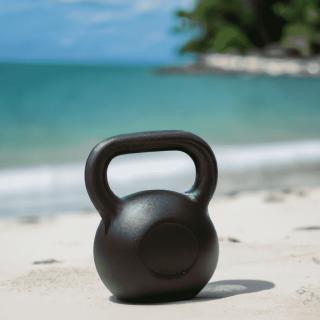
A different setting for a familiar activity
A beach can offer a change from indoor training, but sand and outdoor conditions change the task. An unstable surface is not automatically better, easier on the body or appropriate for every movement.
Choose a session that fits the available area and your experience. Being on holiday does not require turning each outing into a maximum-effort workout.
Check the area first
Look for a suitable permitted space away from other users and moving water. Check the ground for debris, uneven patches and other hazards. Consider local conditions and whether you can stop or shorten the session easily.
Adapt movements to the actual surface. Do not assume that sprinting, jumping or lifting found objects is appropriate simply because there is open space.
Bodyweight circuit example
The French article proposes a five-minute easy warm-up followed by three rounds of:
- 15 Jump Squats
- 20 Alternating Lunges
- 10 Push-Ups
- 15 Burpees
- 30-second Plank
Rest one minute between rounds. This is an editorial example rather than a benchmark or beginner prescription. Reduce repetitions and use non-jumping variations when appropriate. Define whether the twenty lunges are total repetitions before starting.
Running intervals and agility
A second source example uses eight rounds of thirty seconds of fast running and one minute of brisk walking, then a separate agility section. The surface, route and your running experience matter more than reproducing that outline exactly.
Begin at a controlled pace and omit the additional agility work if it does not fit the session. Mark a clear route without creating obstacles for other beach users. See our running guide for the broader training context.
Strength practice without improvised hazards
The source also suggests stone lifts and pull-ups from a branch. Found objects and unverified branches have uncertain properties, so this English version does not present them as a ready-to-use equipment prescription.
Choose familiar bodyweight work or suitable training equipment instead. A squat and side-plank practice session can be organised without creating a hanging station or lifting an unknown object.
Record the adapted session
Note the surface, route, repetitions, variations and planned rest. A beach result is not automatically comparable to the same written programme on a gym floor.
Use the no-equipment selection for alternatives, or the hotel workouts when conditions favour training indoors. Choose a single manageable option and leave room to enjoy the rest of your trip.
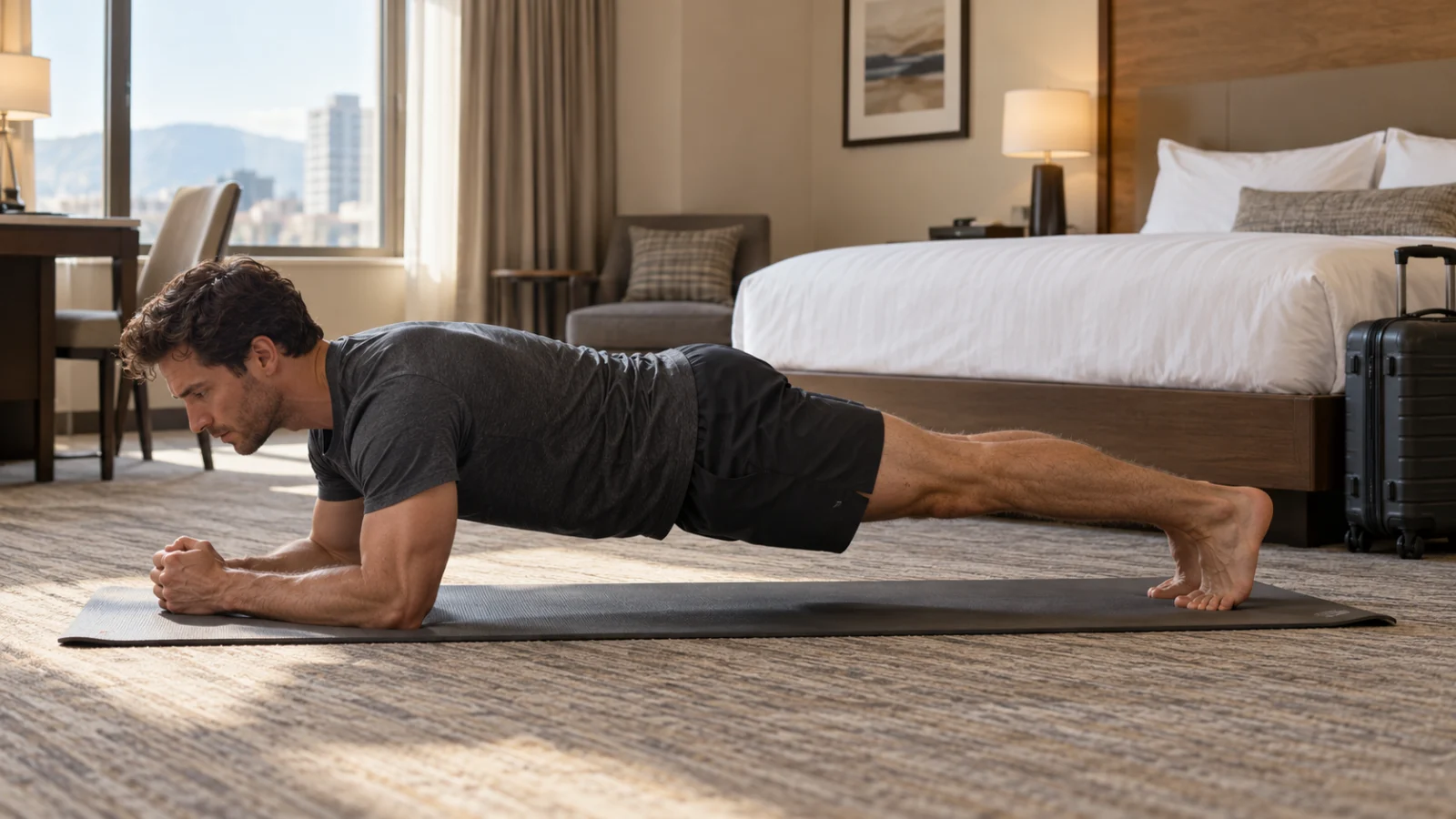 WOD d’hôtel : 3 séances courtes pour s’entraîner en voyage
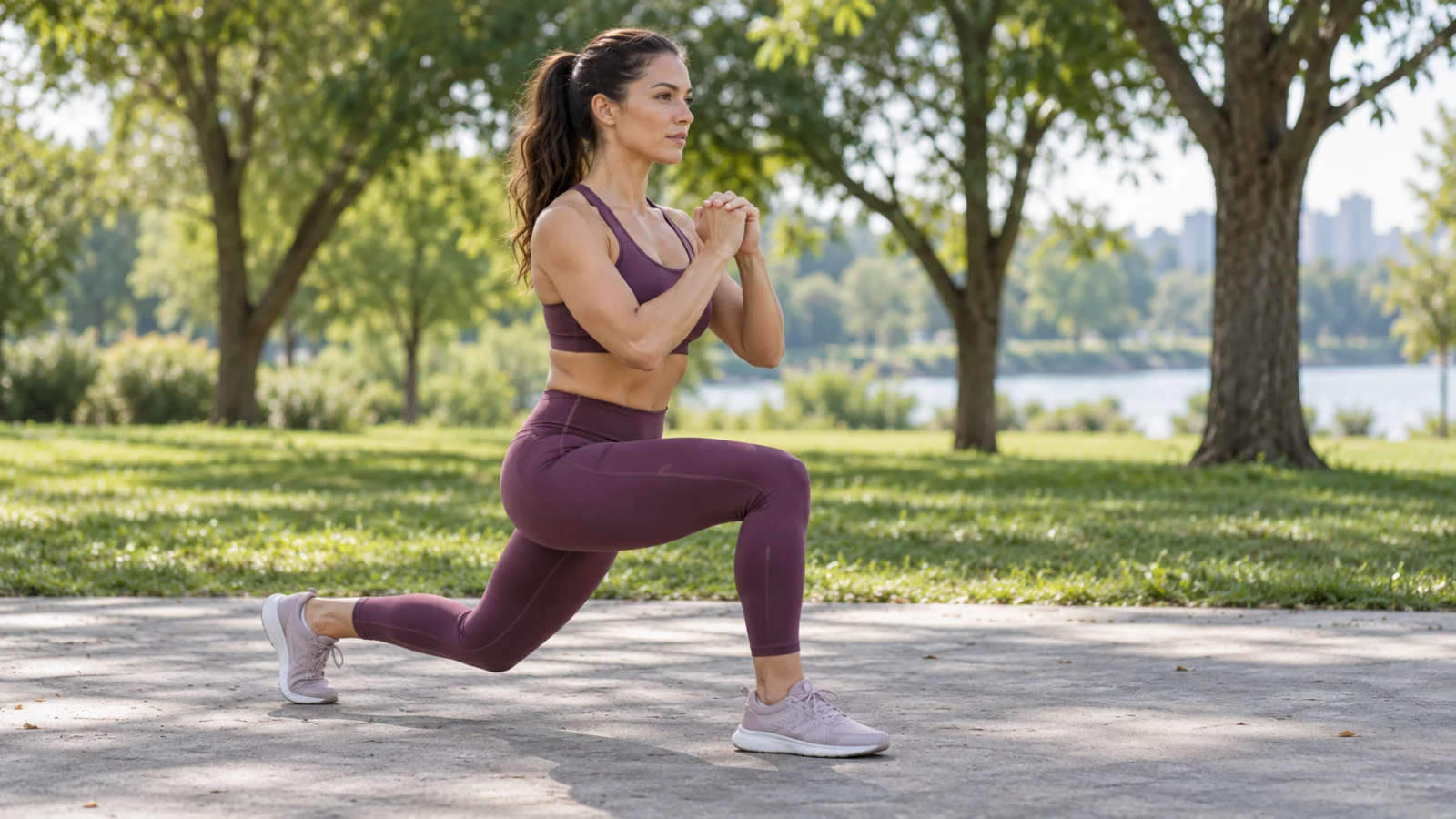 WOD sans matériel : Cooper, Bert et une variante de Riley
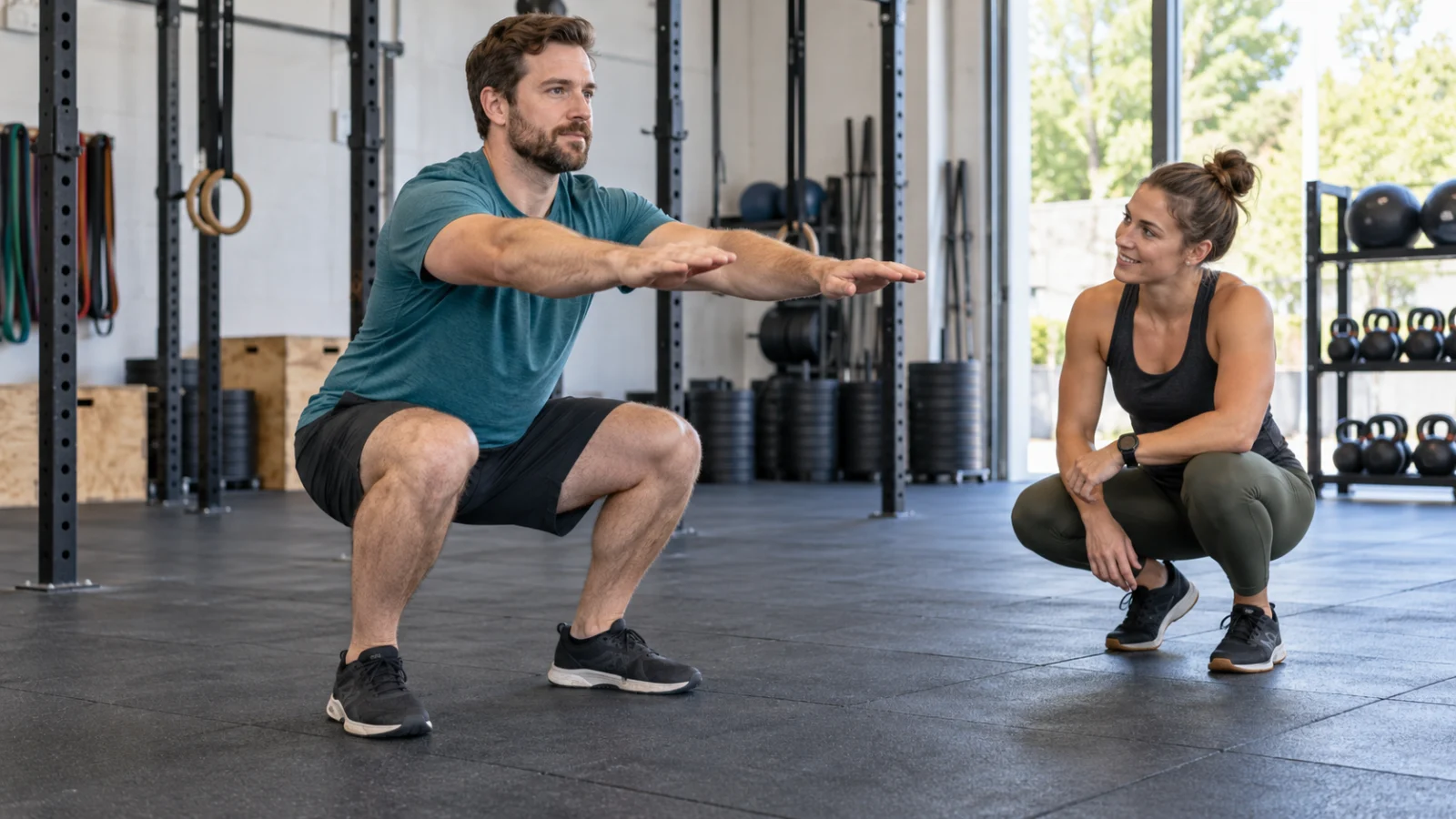 WOD pour débutants : 5 séances et leurs adaptations