
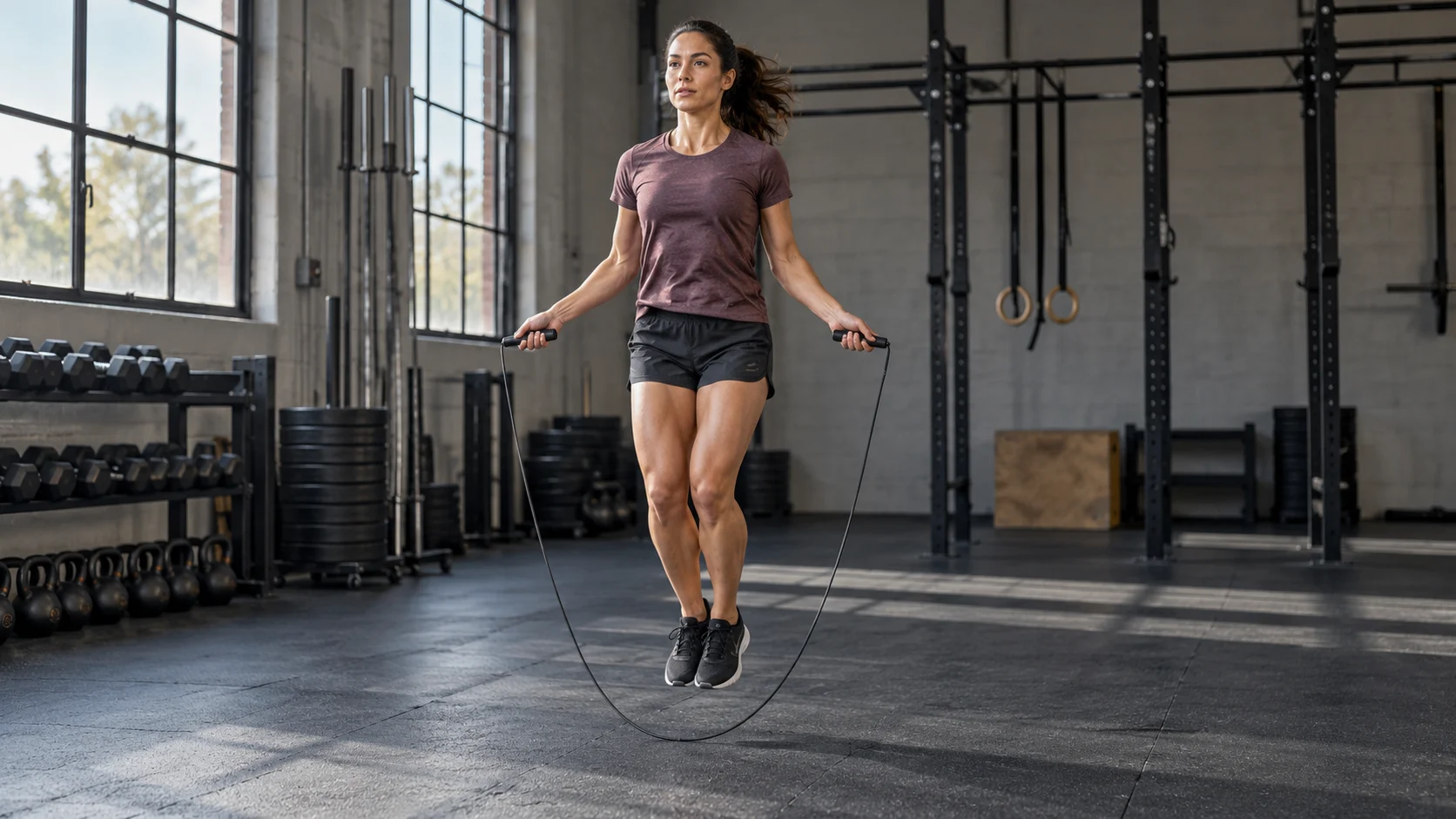
Jump rope: from single-unders to double-unders
Skipping coordinates a bounce with the rope passing beneath your feet. In a single-under it passes once per jump; in a double-under, twice. These variations require different timing, and single-unders can remain your main exercise.
Jump rope suits skill practice and endurance work. Distinguish the two when planning a session: a first double-under calls for concentration and short attempts, while consistent single-unders require a sustainable effort.
Choose and adjust your rope before starting
A rope whose rotation you can feel and whose length is easy to adjust helps early practice. A thin speed-rope cable can suit rapid rotations, while a beaded rope provides different feedback on rhythm. No model replaces coordination.
Check handle rotation, cable condition and the manufacturer’s guidance for your surface. Adjust length gradually: a static measurement is a starting point, then test several jumps to see whether the rope clears without forcing your arms wide or changing your posture.
Learn consistent single-unders
Choose a clear area with space overhead and around you. Begin with small bounces without the rope. Add the rope and seek several regular passes rather than accelerating to recover every mistake.
- Keep your hands near your hips. Avoid gradually widening them as the set continues.
- Let the wrists drive rotation. Tense shoulders and large arm circles make the rhythm harder to repeat.
- Jump only high enough to clear the rope. Single-unders do not require drawing your knees strongly towards your chest.
- Land with control. Seek continuity rather than ever-higher jumps.
- Restart calmly after an interruption. A pause can help restore your position.
Choose short enough sets to observe changes. If you start relaxed but finish with your arms wide, review fatigue or pace before adding repetitions.
Progress towards double-unders
A double-under combines a jump that allows two rope rotations with faster wrist action. It is not simply a series of single-unders performed faster. You need a repeatable bounce and control of the cable.
Practise a slightly higher jump without the rope, rotation and a few spaced attempts separately. One successful attempt, then several successes with resets, are useful milestones. Linking repetitions comes later; every attempt does not need to become a long unsuccessful set.
Plan a session: skill or endurance?
| Aim | Possible structure | What to observe |
|---|---|---|
| Learn single-unders | Small sets with pauses to reset | Bounce rhythm and hand position |
| Explore double-unders | Short attempts with sufficient recovery | Rope clearance and landing control |
| Build skipping endurance | Steady efforts separated by recovery | Actual jumping time and movement consistency |
| Take part in a WOD | Variation and volume suited to the intended effort | Time at the rope and readiness to move on |
For a first session, set a small number of efforts rather than a maximum jump target. End each effort while you still control the movement. Observe calf and foot fatigue before extending the next session.
Skipping can raise breathing demand quickly without double-unders. Conversely, frequent interruptions may make a session mainly coordination practice. Record actual jumping time to understand the work performed.
Common difficulties and what to check
The rope keeps catching your feet
First observe whether your hands shift or your rhythm changes with fatigue. Check length too. Catching the rope does not automatically mean you need to jump much higher.
Your shoulders fatigue first
Observe hand tension and arm movement. Try a short set with more compact rotation. If you cannot maintain it, rest rather than forcing more repetitions.
Your calves quickly limit the session
Repeated bouncing is specific work. Good rowing or running fitness does not immediately justify a large skipping volume. Reduce jumping duration and allow recovery between sessions. Persistent pain needs assessment rather than accumulating jumps to “get used to it”.
Use jump rope in WODs
Choose the variation according to the day’s goal. If skipping blocks the whole workout, discuss fewer double-unders, single-unders or a defined practice duration with your coach.
There is no universal single-under to double-under ratio. Speed, interruptions and fatigue vary widely. Read the workout instructions: adapted training and an event with official standards are different contexts.
Frequently asked questions
Can single-unders develop cardio fitness?
Yes. Single-unders can be an endurance exercise in their own right. Duration, rhythm and breaks determine the work; double-unders are not essential.
Should I practise every day?
Not necessarily. Account for your skipping experience and other training. Short controlled practice creates different fatigue from repeated long sets.
Will a more expensive rope unlock double-unders?
Suitable, correctly adjusted equipment can help, but it does not replace learning the bounce and rhythm. Identify the difficulty before changing models.
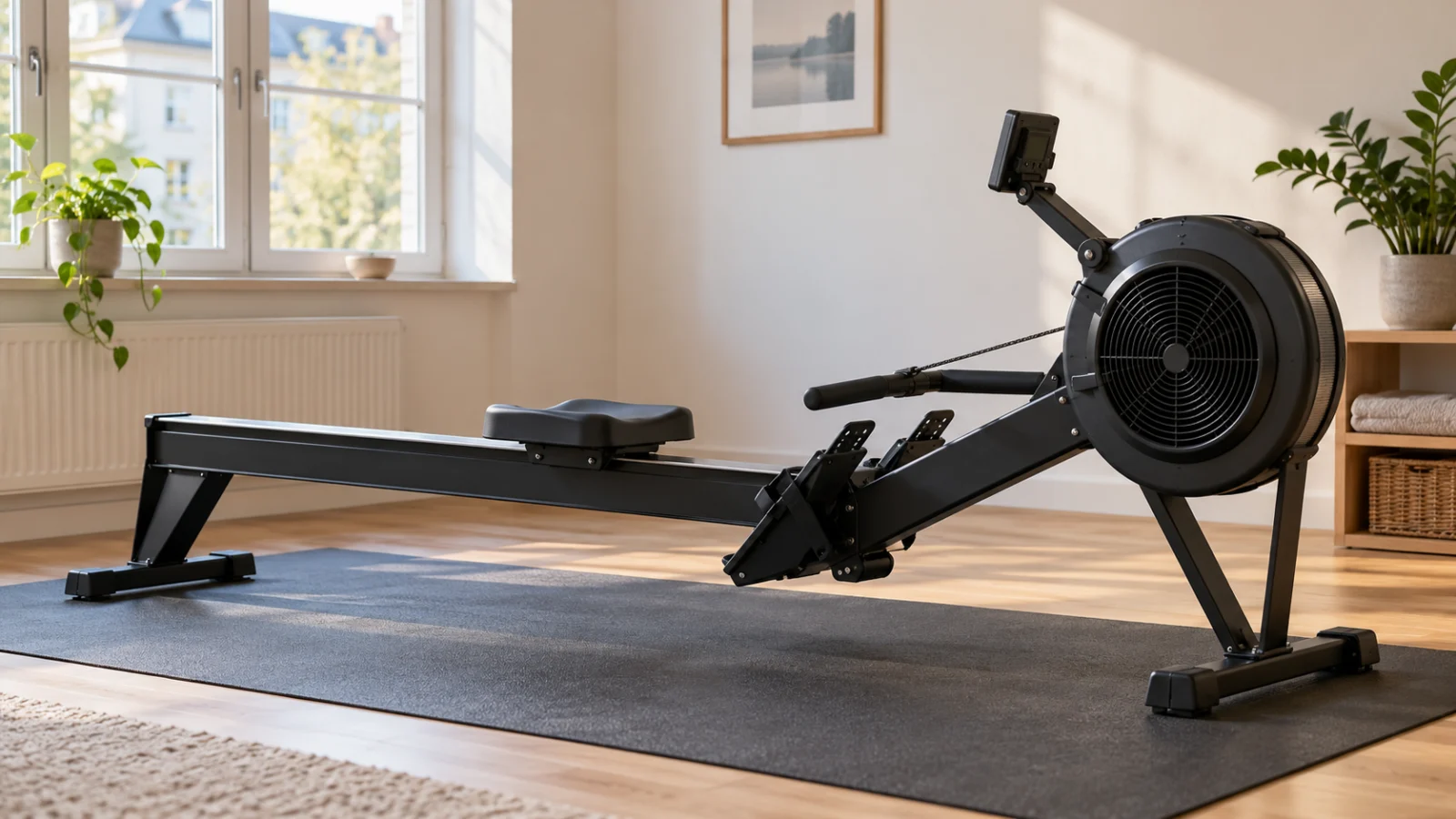 Rameur à la maison : place, bruit et budget à prévoir
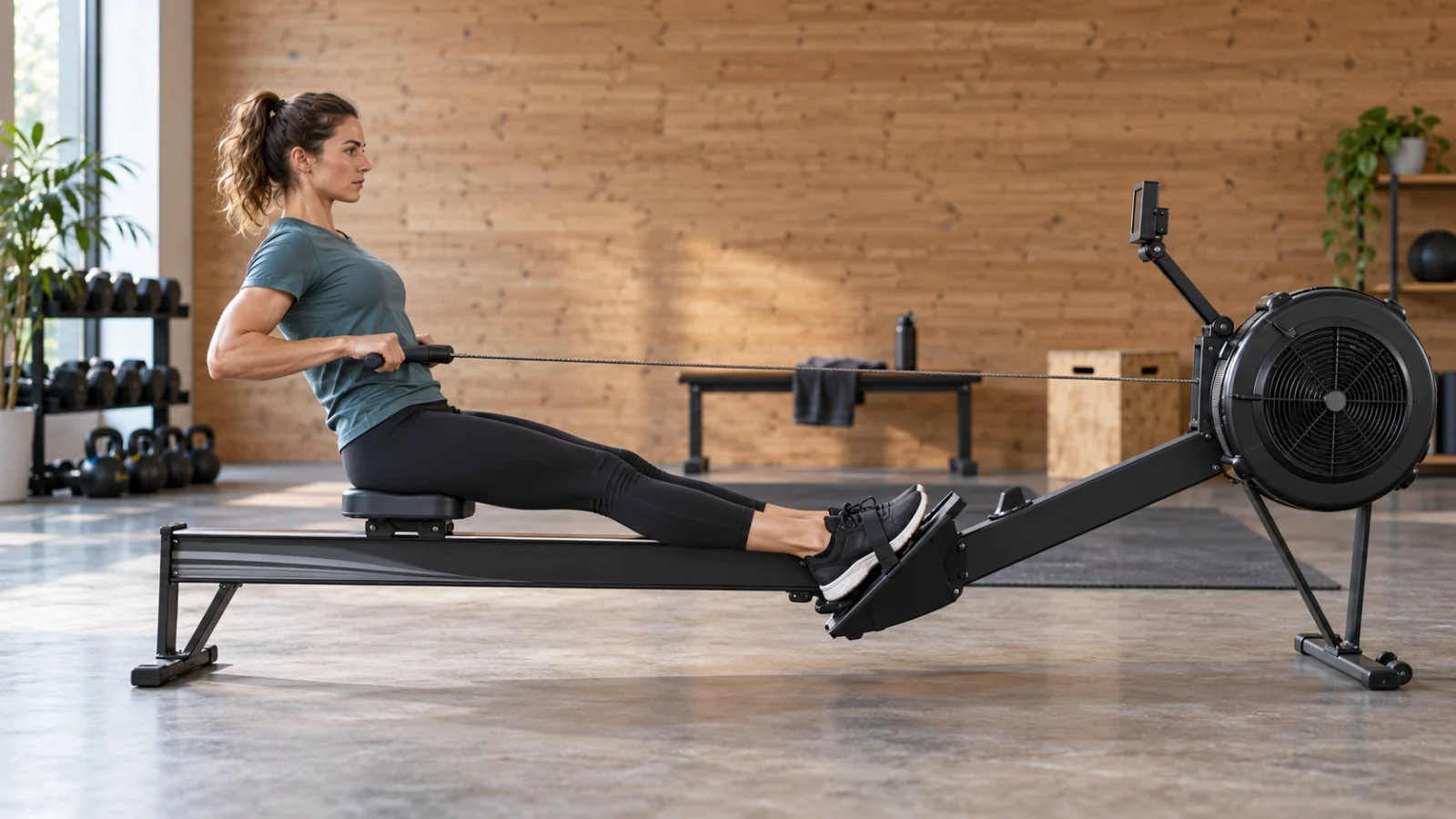 Quel rameur choisir pour le CrossFit et le HYROX à la maison ?
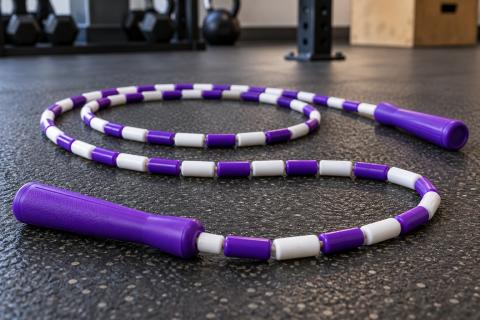 Corde à sauter perlée : c’est quoi et pourquoi l’utiliser ?