
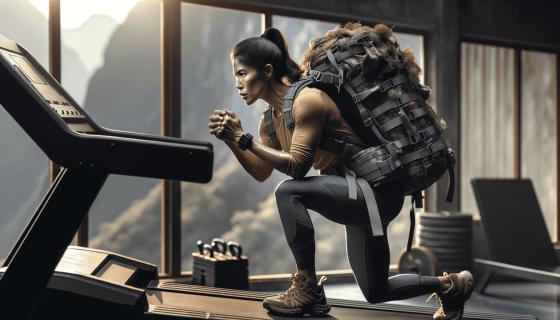
What can rucking contribute?
Rucking is walking with a loaded backpack. It can add an activity you enjoy to your week, but no particular pack weight or weekly schedule guarantees weight loss. The overall pattern of activity, food intake and individual circumstances matters.
The NIDDK guide to eating and physical activity discusses weight management as a longer-term combination of habits rather than a result delivered by one exercise.
Be cautious with calorie figures
Energy use varies with body size, load, pace, terrain and duration. The French source gives illustrative hourly calorie numbers without the measurement context needed to apply them to an individual. They should not be treated as a personal prediction.
A watch estimate is also an estimate. Avoid turning an uncertain number into a precise promise about how much weight a session will change. You can record the walk and its effort without assigning it a calorie target.
Start with an activity you can sustain
If you already walk comfortably and want to try carrying a load, choose a suitable pack and a short familiar route. Begin light and assess comfort before increasing the task. An unloaded walk remains a useful option if the pack makes activity unpleasant or unsuitable.
The beginner guide and weight-selection article cover the practical setup. A heavier pack is not automatically a better choice for a weight-management goal.
Do not change every variable together
Longer distance, faster pace, hills and additional load can all make a session harder. Keep most conditions stable while evaluating a change. There is no universal number of sessions or mandatory duration that produces the same result for everyone.
Track consistency and how the activity fits your week. A manageable routine can be easier to maintain than occasional outings chosen only to maximise effort.
Consider the wider routine
Food intake and activity need to be considered together when discussing weight change. Avoid treating a difficult outing as a requirement to earn food or as compensation for a meal. For personalised nutrition or weight-management decisions, use qualified individual guidance.
Keep ordinary preparation and recovery in the plan. Carrying weight is additional work even when the pace feels slower than a run.
Measure more than body weight
Enjoying the route, walking more consistently or completing a familiar outing comfortably can be useful outcomes. Body weight is not a complete measure of the value of being active.
Choose whether rucking suits your preferences and circumstances rather than expecting a guaranteed result. Explore the rucking hub and posture guide for the practical details.
 Les marques de rucking à suivre pour Black Friday
 Posture pour rucking
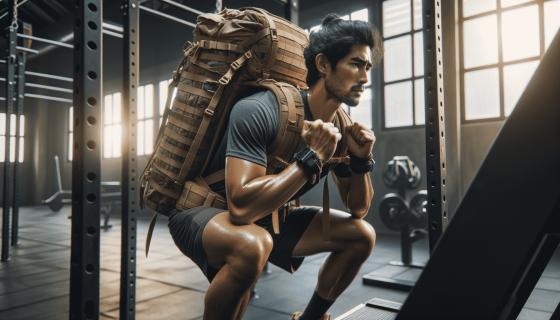 Comment éviter les blessures lors de vos séances de rucking