
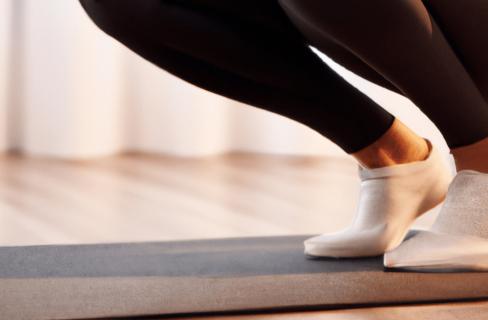
What is a sissy squat?
The bodyweight sissy squat is a knee-dominant exercise in which the knees travel forward, the heels rise and the body leans back as you lower. It places a substantial demand on the quadriceps even without an external weight. It differs from the familiar squat, where the hips bend more and balance stays across the feet.
The name also appears on equipment that holds the lower legs against pads. That setup changes how you balance and move. A machine demonstration and a free-standing bodyweight demonstration should not be treated as identical instructions.
Start with a supported version
Use a secure support that cannot slide or tip. Hold it lightly but sufficiently to control the movement. Begin with a small range rather than trying to copy a deep repetition on your first attempt.
- Stand with your feet roughly shoulder-width apart and establish a stable grip on the support.
- Rise onto the balls of your feet as you bend your knees forward.
- Let your body lean back while keeping your trunk controlled, instead of folding forward at the hips.
- Lower only as far as you can manage smoothly.
- Use your legs and the support as needed to return to standing.
The Prehab exercise demonstration shows this forward-knee and backward-body relationship. Depth is a progression to earn; touching the knees to the floor is not a requirement for a useful practice set.
Choose a sensible progression
Start with supported partial repetitions. When those are repeatable, increase the range slightly while keeping the same assistance. Reduce assistance later, rather than changing depth, support and load together. Adding a plate is optional and should come after control of the bodyweight version.
As a Wodball practice example, try two short sets of five supported repetitions with a comfortable rest between them. This is an introductory example, not a universal prescription. Finish the set before balance or control deteriorates and adjust the range to your current ability.
Common mistakes
Dropping quickly into the bottom removes control of the hardest part. Pulling forcefully on an unstable object creates an avoidable setup problem. Chasing someone else's depth can also turn a deliberate exercise into an uncontrolled fall.
Keep the setup consistent so that you can judge progress. Record the support used, approximate range and repetitions. If the movement causes pain, stop and seek individual guidance rather than assuming that a different variation will treat it.
Machine version and reverse Nordic
A sissy-squat machine usually uses a foot platform and lower-leg pads. Follow that equipment's instructions and adjust it before exercising. Do not assume that immobilising the lower legs produces the same movement as balancing on the forefoot.
The reverse Nordic starts from kneeling and involves leaning back with the thighs and trunk aligned. It has a different starting position and contact points. It is not simply a kneeling sissy squat with a guaranteed reduction in knee or tendon loading.
Where it fits in training
Use the exercise as optional accessory work rather than a compulsory replacement for squats or lunges. A goblet squat may be easier to load and track, while the front and back squat comparison explains other choices. Pick the movement that matches your objective and current control.
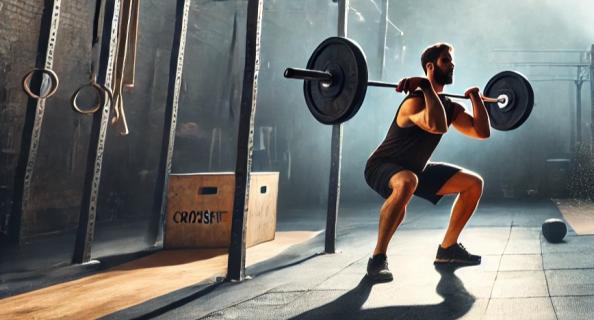 Comparatif front squat vs back squat
 Le muscle snatch ou arraché en puissance
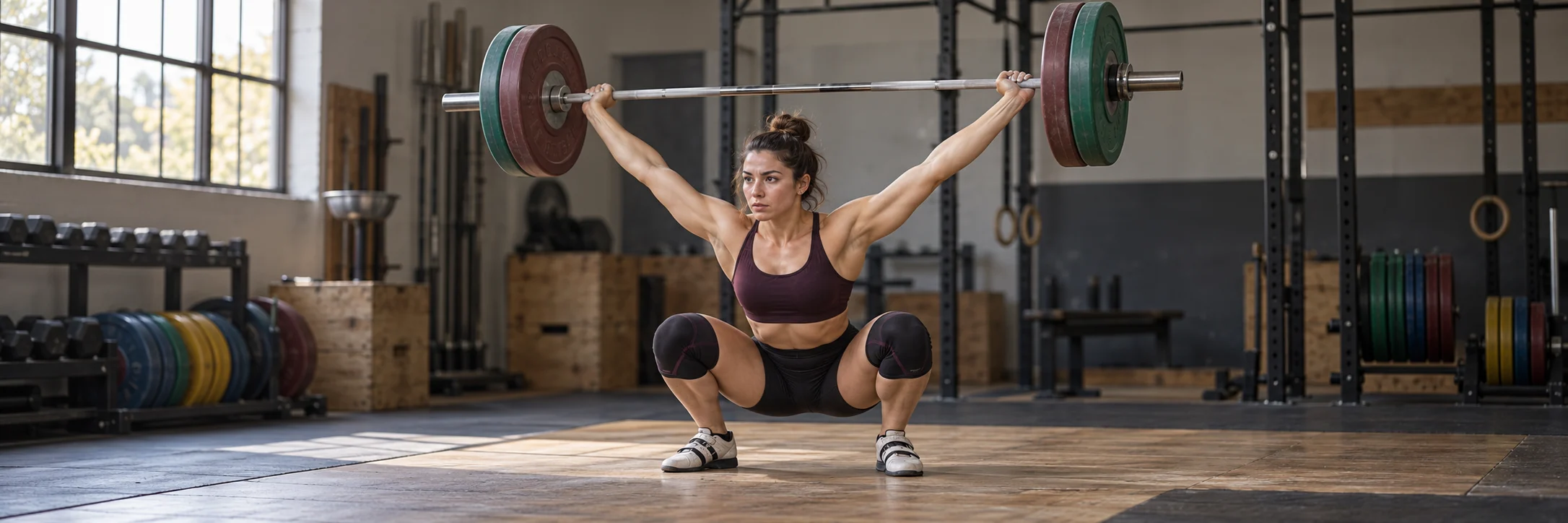 Le squat snatch ou arraché en squat