
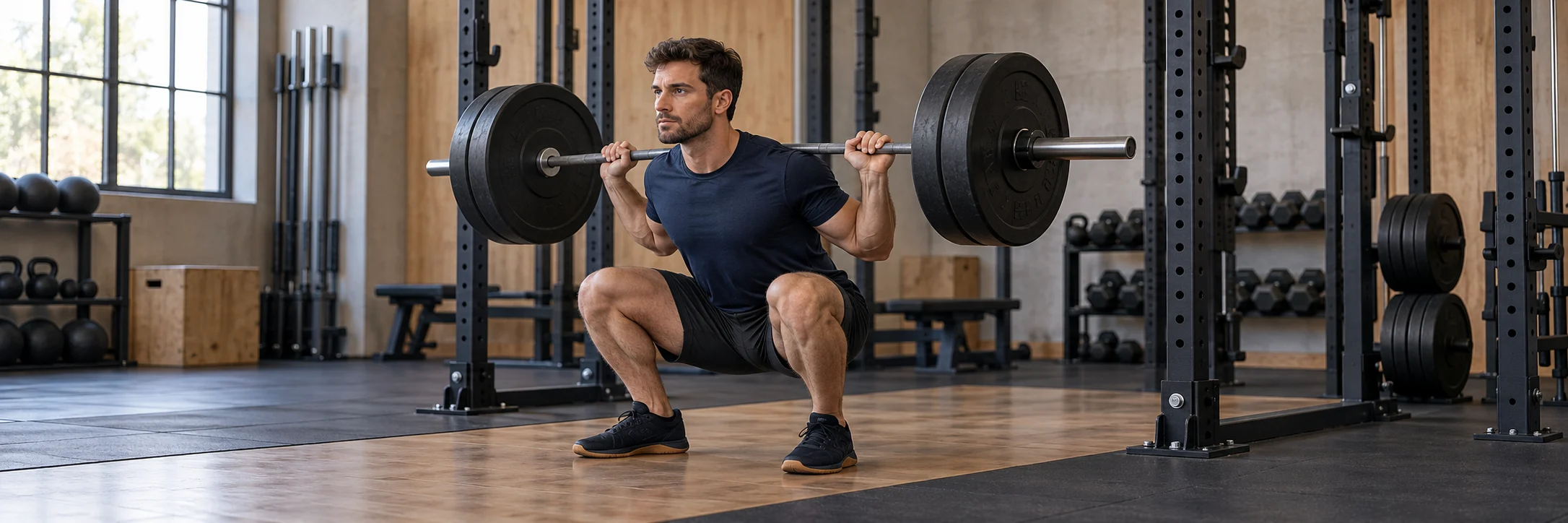
One movement family, different goals
Squatting lowers the body by bending hips, knees and ankles, then returns to standing. Bodyweight, front-loaded, back-loaded and overhead versions change balance and support demands. Squats support Olympic lifts but are not themselves the two competition lifts.
Build a controlled repetition
Choose a comfortable stance and toe angle suited to your proportions and the variation. Keep pressure distributed over the foot. Engage the trunk and coordinate hips and knees during the descent.
The torso angle varies with anatomy and load position; a perfectly upright torso is not a universal instruction. Use the intended range that you can control, distinguishing a learning range from competition depth requirements. Stand without losing balance or support.
Understand load positions
An air squat uses bodyweight. A goblet squat holds a weight in front. A front squat supports a bar on the shoulders; a back squat places it across the upper back. An overhead squat adds overhead stabilisation. These positions are related but not interchangeable.
Observe before correcting
A heel lifting, a shift in balance or loss of trunk position may have several causes. Identify when it happens and consider stance, load, depth and task. A single observation does not establish a mobility diagnosis.
Progress and prepare the setup
Begin with a version that allows repeatable control. Increase one parameter deliberately and note depth, load and volume. Adjust rack and supports for loaded work and follow the gym’s procedures.
Squats in functional training
Repeated squats, thrusters and wall balls add breathing and fatigue demands. Choose a load and repetition structure compatible with the session’s purpose. Read the thruster guide and wall-ball technique.
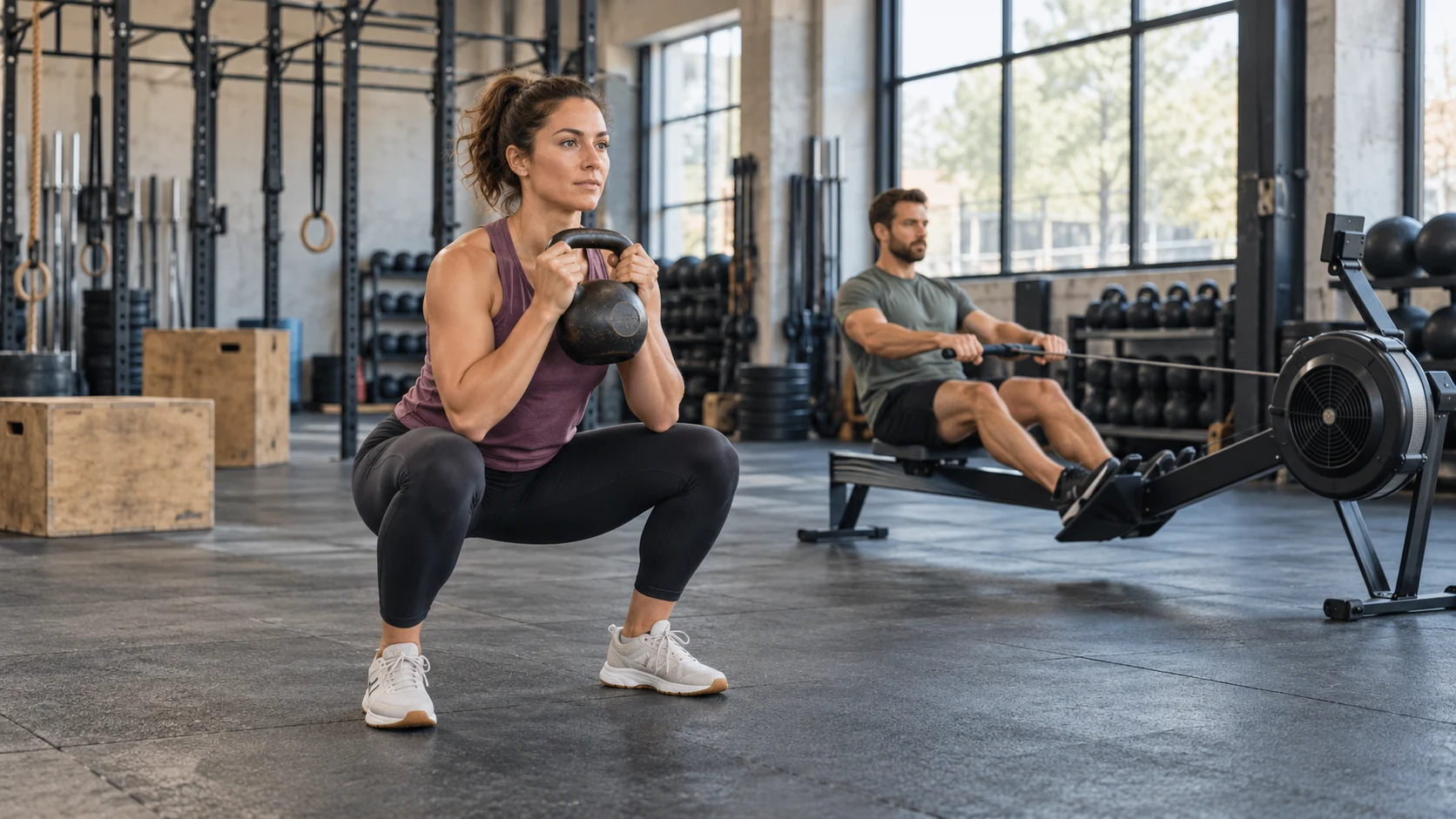 Goblet squat: setup, technique and useful variations
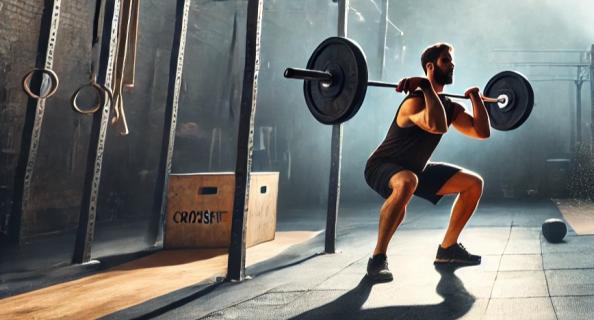 Front squat vs back squat: positions, differences and choosing a variation
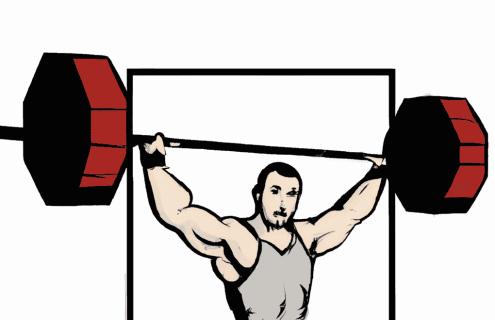 Overhead squat: position, balance and progression