
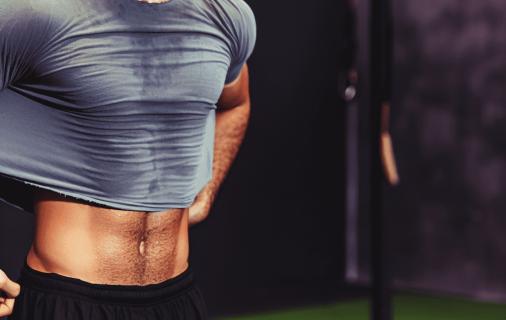
Choose a T-shirt and a length
Start with a T-shirt that already fits comfortably through the shoulders and chest. A cropped hem changes coverage; it does not require a tight fit or a particular body shape. Use an older shirt for your first attempt if you are unsure about the result.
Decide how much coverage you want while standing and moving. A hem near the hips, around the waist or higher creates a different look. Try folding the shirt to several lengths before making a permanent change.
Gather the tools
You will need fabric scissors, a ruler or measuring tape, a washable fabric marker or tailor's chalk and a flat working surface. A sewing machine or needle and thread is optional if you want a finished hem.
Check the fabric and care label. Stretch knits, woven fabrics and technical blends behave differently after cutting. Do not assume every polyester or elastane garment can be left unfinished without changes at the edge.
Prepare and mark
Wash and dry the shirt according to its label before measuring. Smooth it out without stretching it. If pressing is appropriate, use the care label's temperature rather than a generic hot-iron setting.
Try it on and mark the intended length, then remove it before cutting. Leave extra fabric below the desired finished length, especially if you plan to fold and sew a hem.
Cut gradually
Lay the shirt flat and align the side seams. Check that the front and back are positioned as intended. Measure from consistent points and draw a cutting line.
Cut carefully along the line without pulling the fabric. It is easier to shorten a little more later than to restore material. Remove any pins before trying the garment on.
Test and finish
Try the shirt with the shorts or leggings you expect to wear. Raise your arms, squat and move through familiar positions to check coverage and comfort. Adjust the length only after this test.
For a hem, use a finish suitable for the fabric and allow enough stretch for putting the shirt on. A raw edge is a style choice, but check how it rolls or frays after washing. If sewing is unfamiliar, practise on the offcut or ask someone experienced.
Use your own preferences
Colour, pattern and length are personal choices. The garment should let you move without catching on equipment or distracting you. A crop top is optional clothing, not a requirement for training or a promise of better performance.
Read men's crop tops in CrossFit for the clothing context, or the beginner tips if you are preparing for your first classes.
 Rameur à la maison : place, bruit et budget à prévoir
 Haltères réglables ou fixes : lesquels choisir à la maison ?
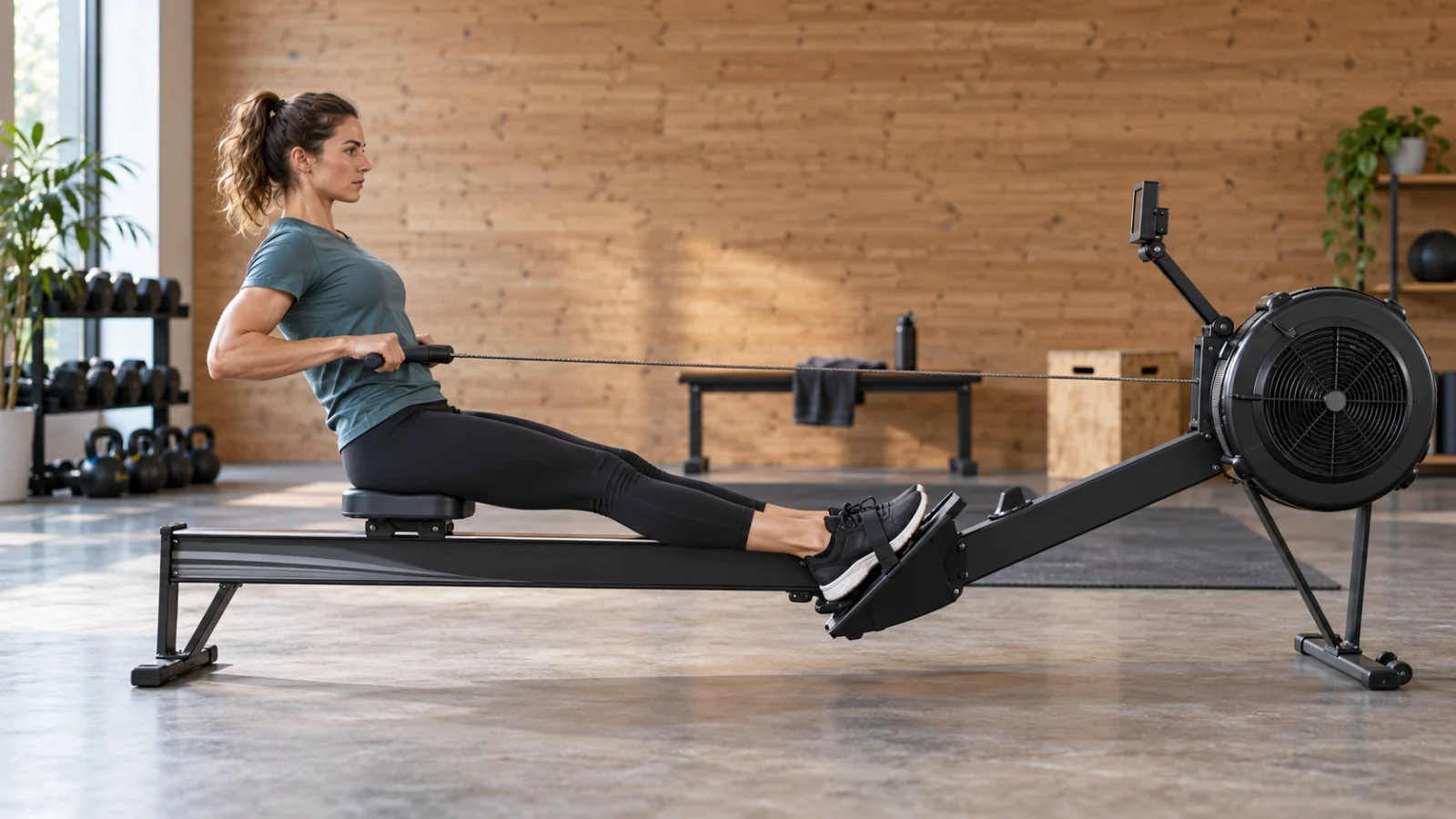 Quel rameur choisir pour le CrossFit et le HYROX à la maison ?