
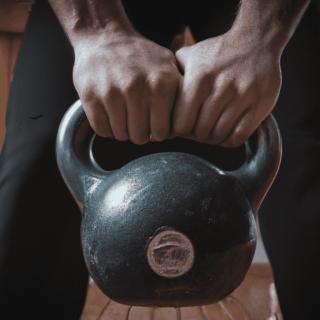
1. Learn the movement before adding load
It can be tempting to follow an experienced classmate's barbell weight or try a complex movement immediately. Begin with a version you understand and can repeat. For a deadlift, that may mean a light implement while you learn the setup and lift with your coach.
Ask what a successful repetition should look like and practise the movement before the timed section. A lighter load gives you room to learn; it is not a lesser version of participating in class. Our beginner guide explains how the first sessions fit together.
2. Choose an effort you can manage
The session should reflect your current experience rather than the reputation of CrossFit as an intense activity. Agree a suitable load, movement variation and repetition count before starting. Learn to distinguish a challenging effort from losing control of the task.
Tell the coach when something is not working instead of feeling obliged to finish an unsuitable version. Pauses and adjustments are available. Avoid making every class a maximum test, especially while the movements are unfamiliar.
3. Prepare for training and recovery
Bring water and plan training around regular meals, sleep and the rest of your day. You do not need a complicated supplement routine to attend your first class. Aim for practical habits you can maintain rather than trying to change everything in the first week.
Leave time between arriving and starting so that you can listen to the briefing and warm up. When scheduling sessions, consider how you are recovering from the previous one as well as what fits in the calendar.
4. Set a clear goal and keep a log
Choose an objective you can describe: attend consistently, learn a controlled squat or complete a particular adapted workout with repeatable technique. Goals can include a process as well as a score.
Record the exercise, load, repetitions and any substitutions. Comparing the same version over time is more informative than chasing someone else's result. A notebook or simple app is enough. See the personal-record guide for making comparisons meaningful.
Review the goal with your coach rather than treating an arbitrary deadline as a promise. Progress can include greater confidence and consistency even when the number on the bar has not changed.
5. Ask questions and get to know the group
Introduce yourself and tell the coach what you have done before. Ask for an explanation when an abbreviation, movement or scoring rule is unclear. Other members can offer encouragement, while the coach should guide technical and scaling decisions.
Participate in the social side to the extent that you enjoy it. You do not need to enter competitions or attend every event to belong in a class.
Put the five tips into practice
For your next session, arrive prepared, choose one movement to focus on and agree an appropriate version of the workout. Record what you did afterwards. Use our scaling guide and beginner WOD selection for examples to discuss with your coach.
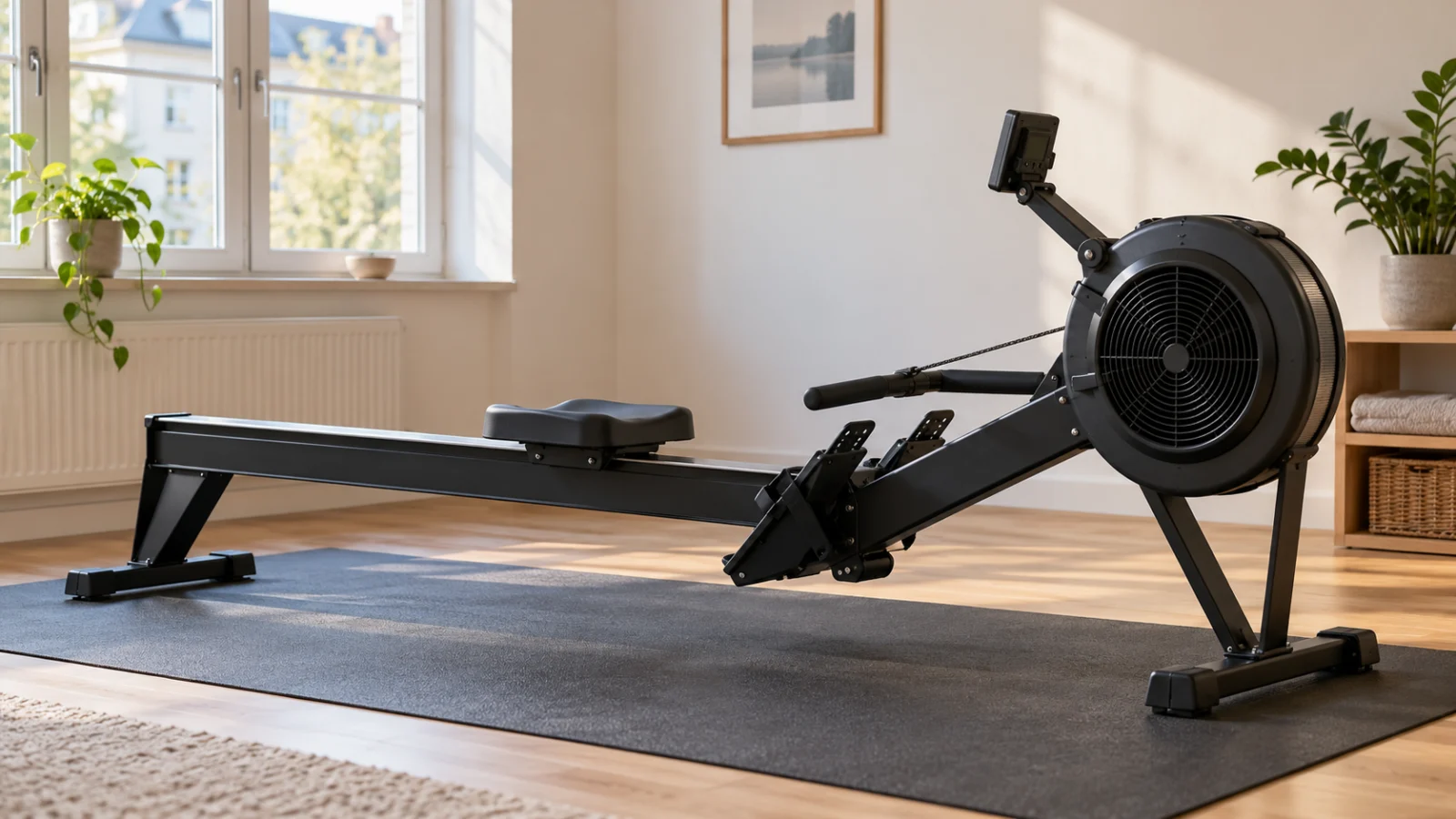 A rowing machine at home: space, noise and budget to plan for
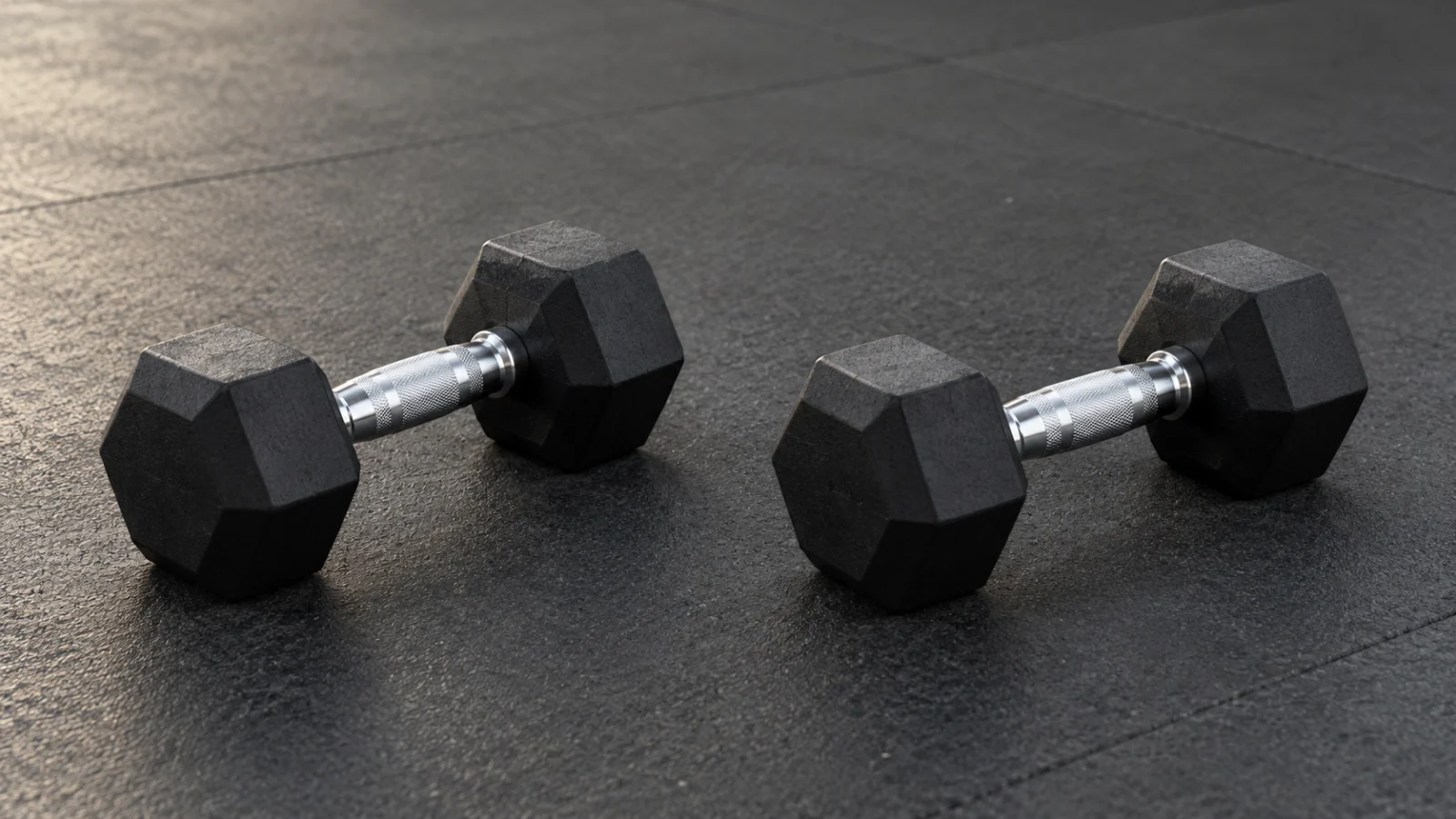 Adjustable or fixed dumbbells: which should you choose for home?
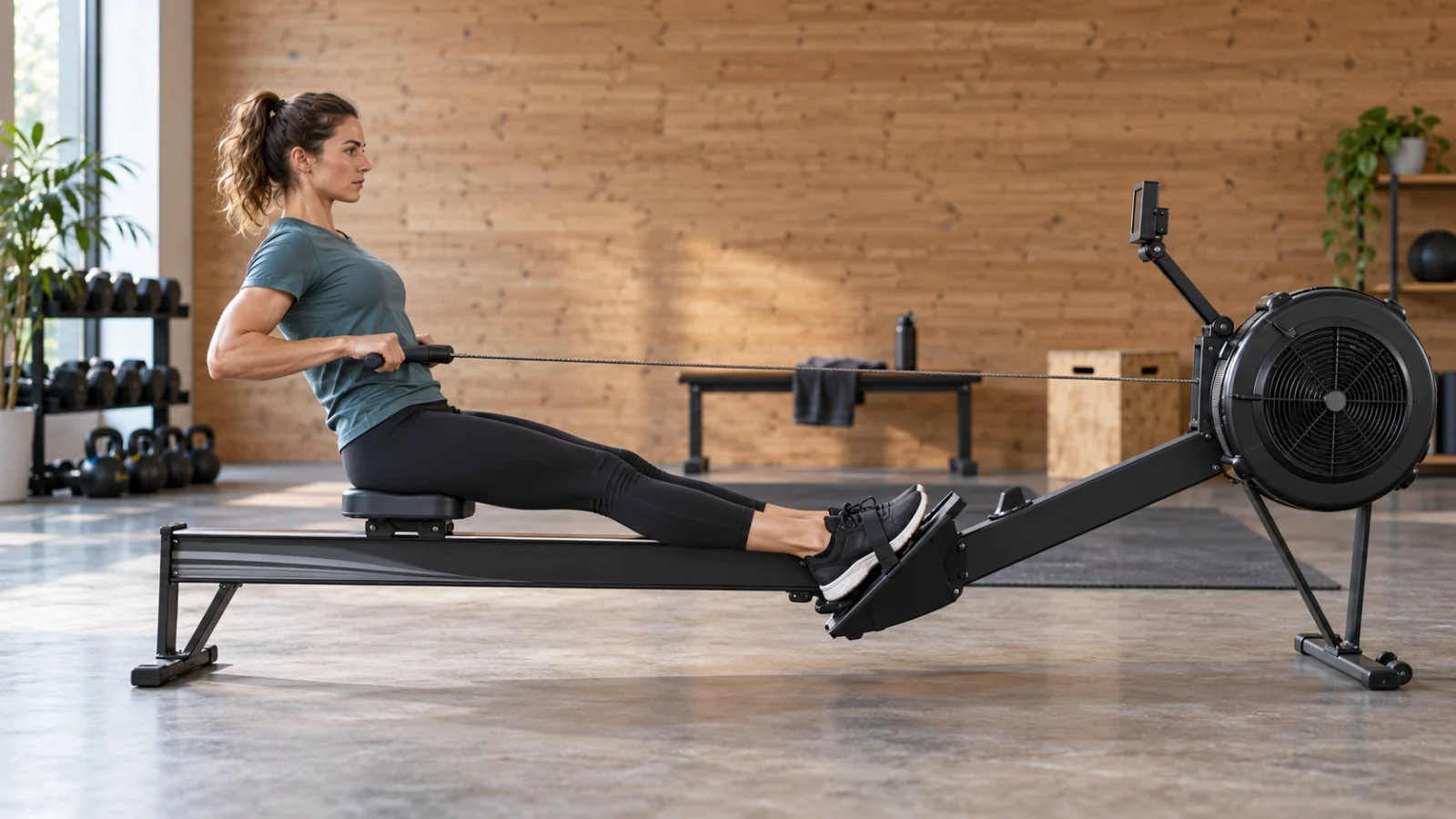 Which rowing machine should you choose for CrossFit and HYROX at home?