

Two terms that can overlap
Cross-training broadly means combining activities or training methods rather than relying on only one. A runner who also cycles and lifts weights is cross-training. Gyms also use the term for mixed exercise classes, and the exact content can vary.
CrossFit is a named training approach associated with varied functional movements and relative intensity. A CrossFit programme can include lifting, gymnastics and conditioning, so there is overlap in the activities you might encounter.
Do not decide from duration alone
It is misleading to define cross-training as always long and gentle and CrossFit as always short and maximal. A class can include a briefing, warm-up, skill practice and a timed workout. The timed portion and the full class are different durations.
Likewise, a cross-training session can be demanding, while a CrossFit task can be scaled. Ask what the actual session involves instead of assigning an intensity from the label.
Who can take part?
Both terms can describe activities suitable for different experience levels when the task and coaching are appropriate. Neither name proves that a particular class is the right first session for a beginner.
Ask about introductions, movement progressions and how the coach adjusts the work. Our CrossFit beginner guide explains what to discuss before joining a regular class.
How much can the programme change?
A mixed cross-training plan can be arranged around your preferred activities and goals. A coached class may follow a shared programme, whether or not it uses the CrossFit name. Shared programming does not mean everyone must use identical movements or loads.
Learn how scaling changes the task while retaining its purpose. If you need a specialised plan alongside another sport, discuss that explicitly rather than assuming a group timetable will automatically provide it.
Equipment and training space
Cross-training might happen outdoors, at home, in a pool or in a gym. CrossFit classes often use a dedicated gym, but the equipment needed depends on the particular workout. A bodyweight circuit and a barbell session have different requirements.
Check the actual kit and coaching available. Buying equipment does not establish that you know how to perform an unfamiliar movement.
Choose the experience that fits
Compare your objective, preferred environment, timetable, coaching and cost. You may enjoy a varied coached class, a self-directed mix of activities or a more focused programme.
Visit an appropriate introductory session and ask questions. The gym checklist and class-type guide can help you assess the offer rather than relying on broad claims about one method being easier or better.
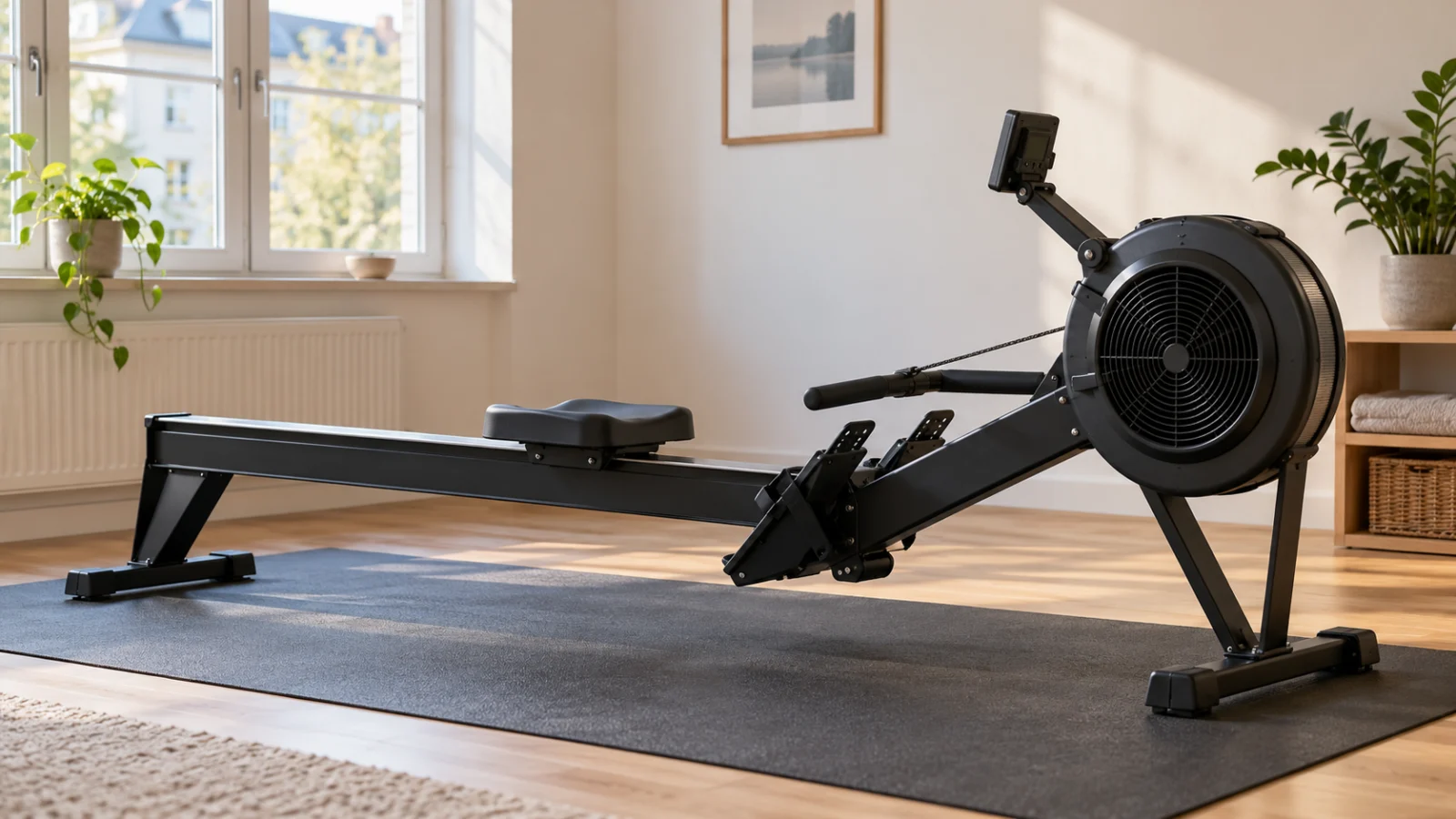 Rameur à la maison : place, bruit et budget à prévoir
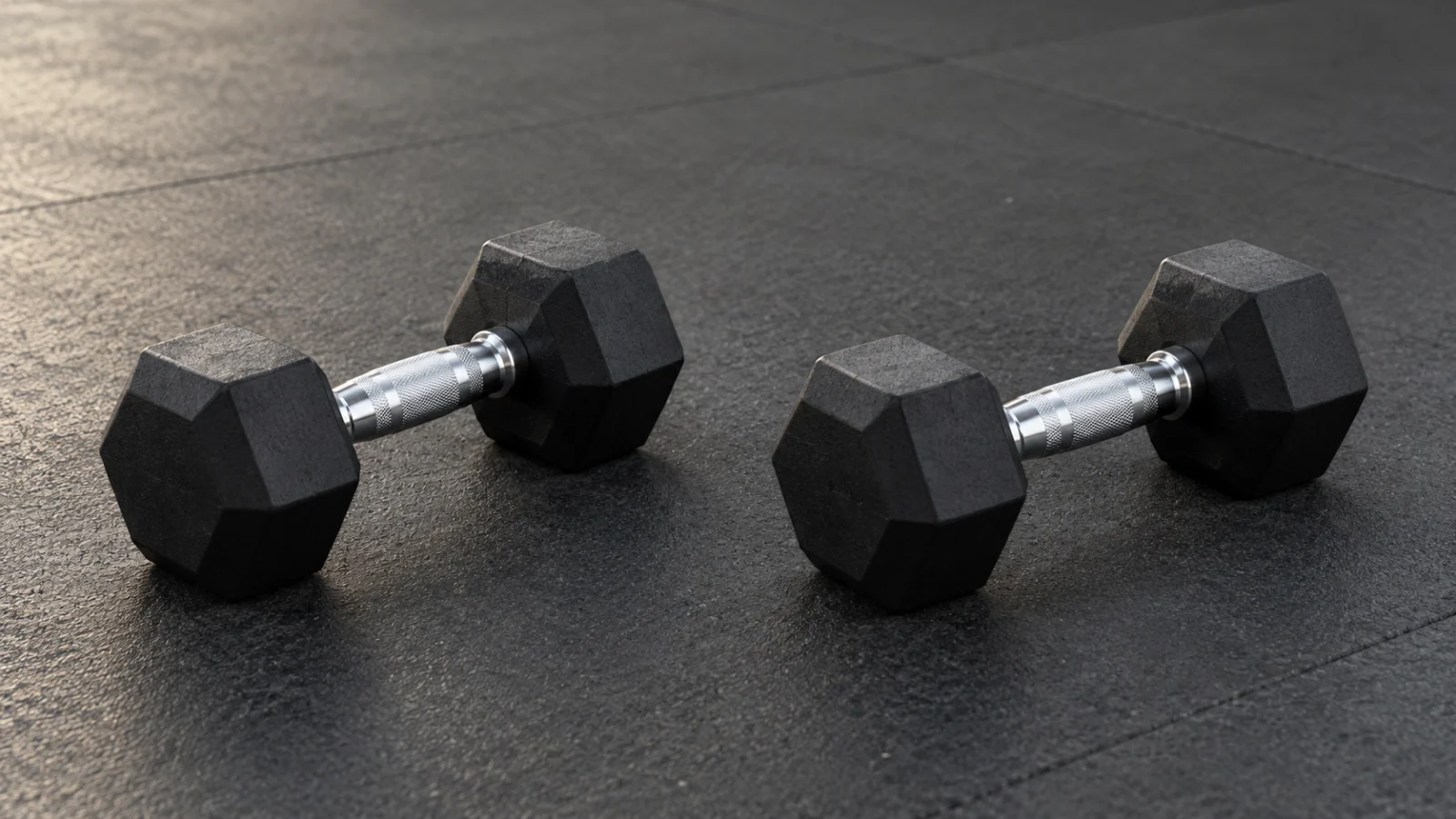 Haltères réglables ou fixes : lesquels choisir à la maison ?
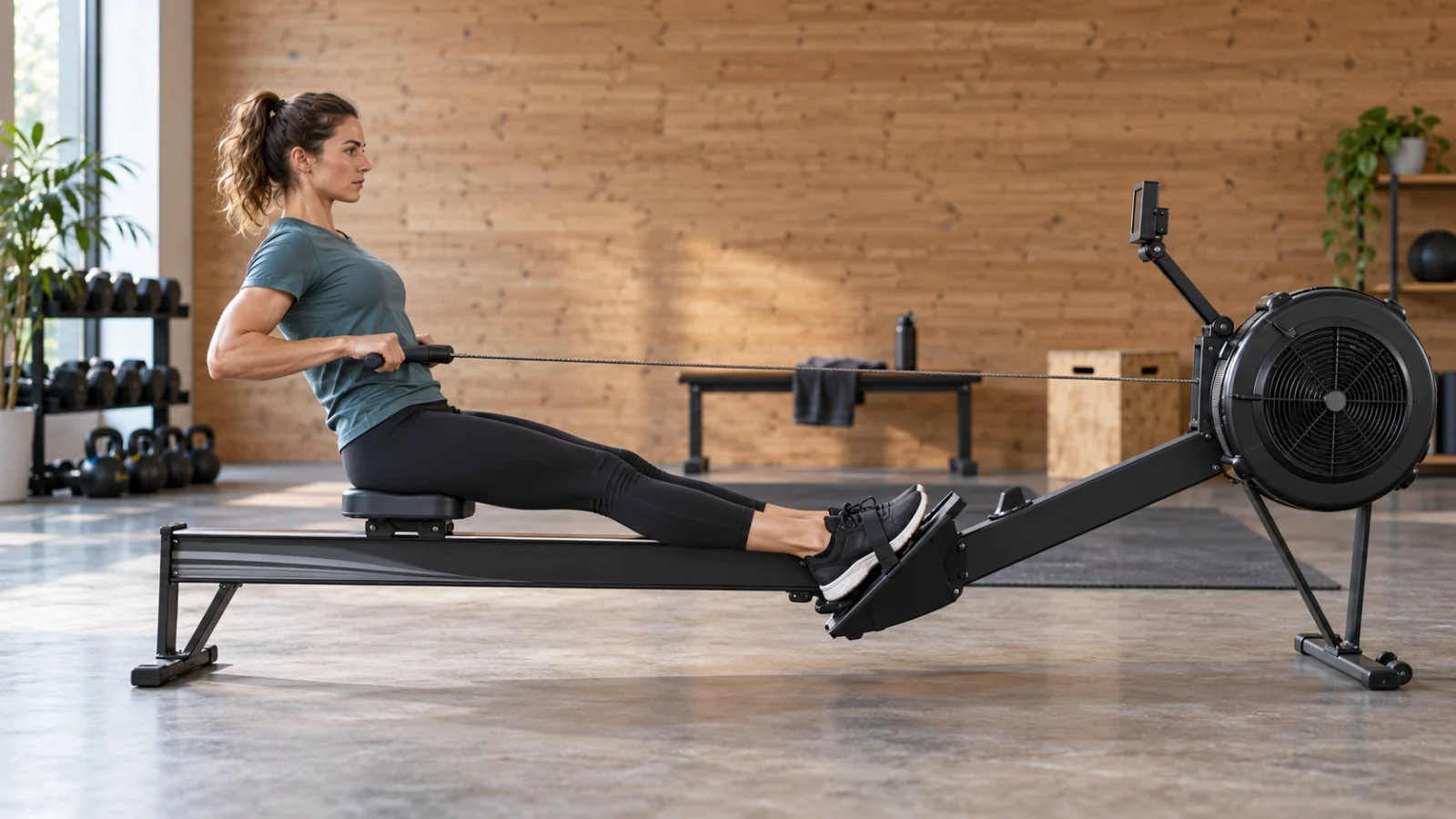 Quel rameur choisir pour le CrossFit et le HYROX à la maison ?