

1. Coaching and teaching approach
Ask about the coaches' experience, qualifications and approach to introducing new members. Then observe a class if the gym allows it. Notice whether movements are explained, individuals receive useful feedback and suitable alternatives are available.
Encouragement can be valuable, but it is different from instruction. Look for clear teaching and attention to participants rather than making assumptions about a coach's motives from how loudly they encourage the group.
Explain what you have done before and ask how your first weeks would be organised. You should understand where to begin and whom to approach with questions.
2. Atmosphere and community
People enjoy different training environments. Some prefer a lively group and visible scores; others want a quieter session with less emphasis on comparison. Visit at a time you would actually attend and consider whether the atmosphere suits you.
Notice how newcomers are welcomed and how members share space and equipment. A community can support consistency, but you do not need to attend every social event to belong.
3. Facilities and equipment
Check that the space works for the class size and activities. Look at the condition and organisation of equipment, available working areas and how the coach manages people moving between stations.
Ask about practical facilities that matter to your routine, such as changing space, showers or bike parking. An impressive equipment list is less useful if you cannot access what you need in the sessions you book.
4. Timetable and location
Consider the journey at the time you intend to train, including traffic or public transport. Check the real class timetable, booking process and whether the sessions you need commonly have waiting lists.
Ask how introductory courses, regular classes and open gym fit together. Being near your home is helpful only if suitable sessions also fit your schedule.
5. Fees and membership conditions
Compare what each plan includes rather than the headline fee alone. Check session limits, introductory costs, commitment period, cancellation terms and any charges for late cancellation or missed bookings.
Choose a plan that reflects your likely attendance and budget. Ask for unclear terms to be explained before joining; do not assume that all gyms use the same arrangement.
Try an appropriate first session
A visit or introductory class can help you assess the points above. Tell the coach your experience and goals so that the trial is appropriate. Use the class-type guide to understand the timetable and read why you might choose CrossFit when comparing it with other options.
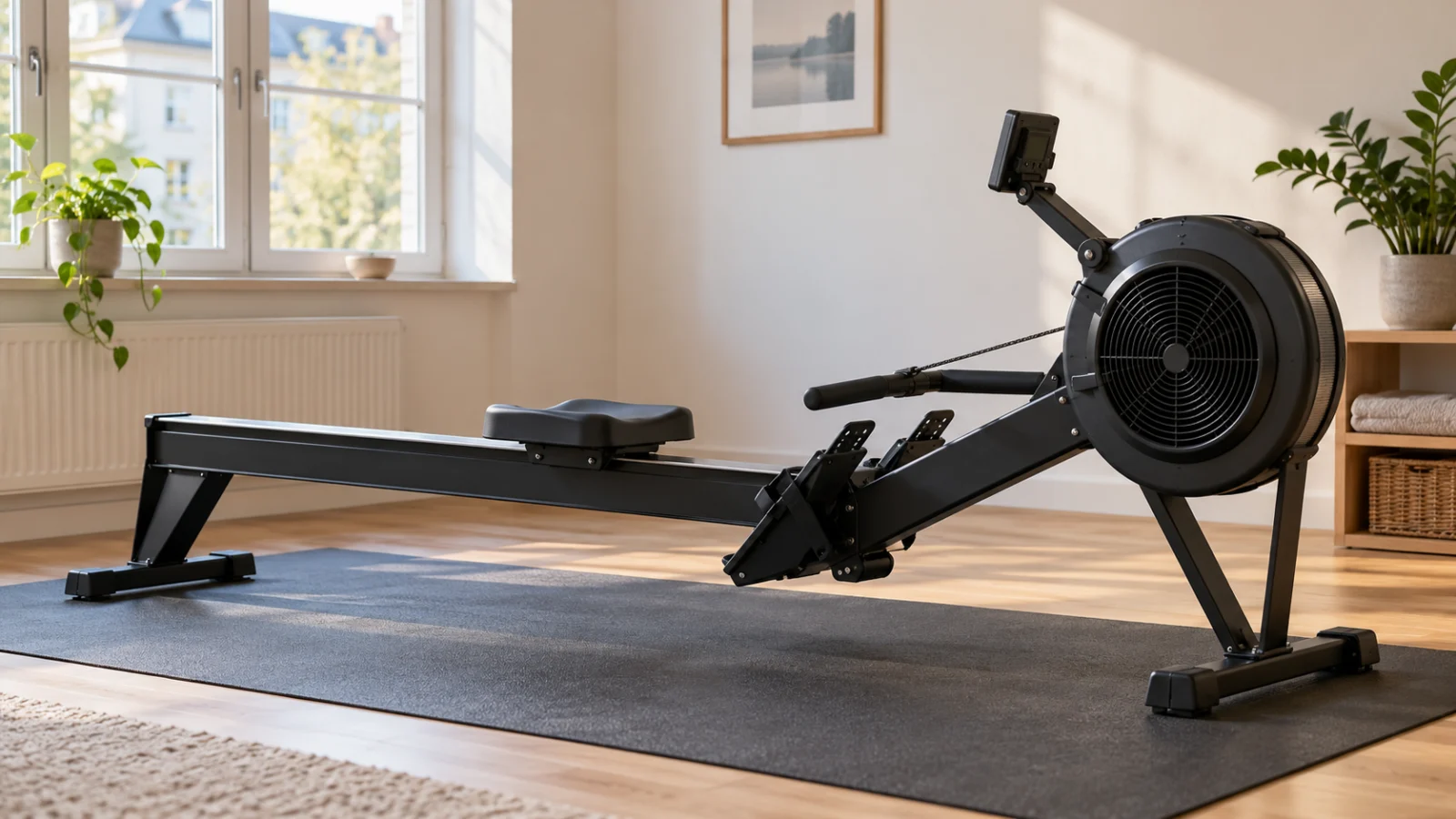 A rowing machine at home: space, noise and budget to plan for
 Adjustable or fixed dumbbells: which should you choose for home?
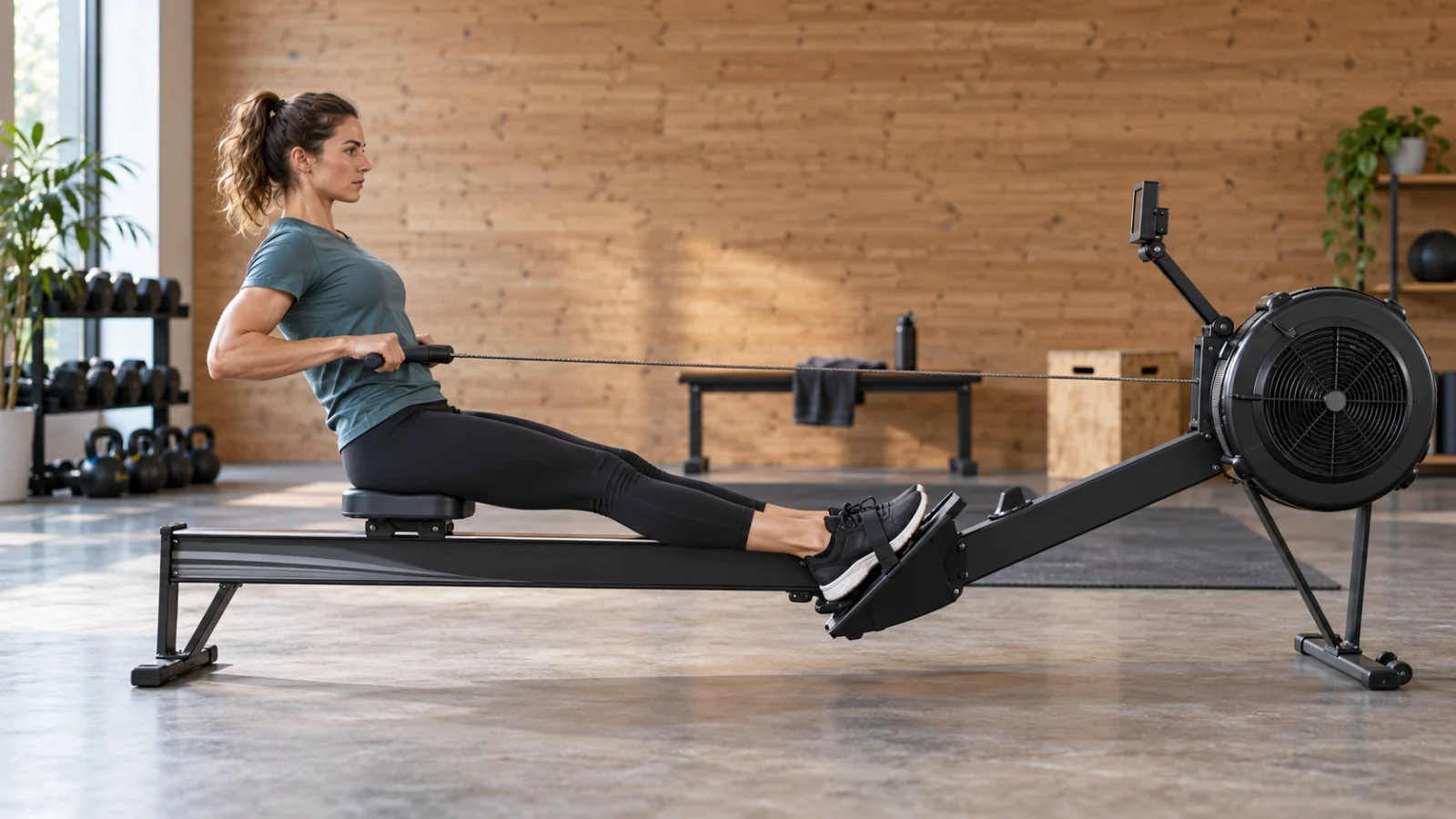 Which rowing machine should you choose for CrossFit and HYROX at home?