

What does scaling mean?
Scaling changes a prescribed workout to suit the athlete while retaining a useful training task. It can involve movement difficulty, load, range, repetitions, distance or timing. It is more deliberate than automatically halving every number.
Start by asking the coach what the session aims to practise. Two workouts of the same duration can have different demands; duration alone does not identify a single energy system or training goal.
Read the complete workout
Check the sequence, total work, clock and recovery. Identify any movement likely to create repeated failed attempts or long pauses. Decide what should remain consistent and which variable needs adjustment.
An EMOM normally depends on completing a task with some time left before the next start. A For Time session fixes work instead. Your scaling should account for the format as well as the exercise list.
Choose movements for the intended task
A band-assisted pull-up, ring row and controlled lowering drill have different purposes. Choose a variation that suits the session rather than always using one familiar substitution. Equally, changing variations every attempt makes comparisons difficult.
Technical learning may belong in a separate practice block. A complex muscle-up replacement should not automatically become a much longer circuit than the original task.
Adjust load and volume independently
Choose a barbell load around the movement you need to repeat, not only a fresh maximum. A multi-lift workout may be limited by the overhead lift even when the deadlift feels easy.
Repetitions and rounds also matter. A bodyweight workout can require substantial scaling because of accumulated pulling or pushing. Consider the whole session rather than just the first set.
Test the choice during the warm-up
Rehearse the selected variations and a short transition. If the task already takes longer than its interval or repeatedly breaks down, review it before the clock. Prepare equipment so the adaptation is practical in the class space.
Record and progress
Write the movement variation, actual load, repetitions, distance and result. When retesting, repeat those conditions. A changed prescription produces a different task, even if both results are labelled scaled.
For Grace, for example, record the barbell weight and completed clean and jerks with the time. Review movement quality and workload with the coach before increasing difficulty.
Avoid making Rx the only goal
Completing a suitable scaled workout is useful training. Rx describes a prescription; it does not automatically identify the best session for you today. Read Rx, scaled and Elite for the terminology and movement guides for practice.
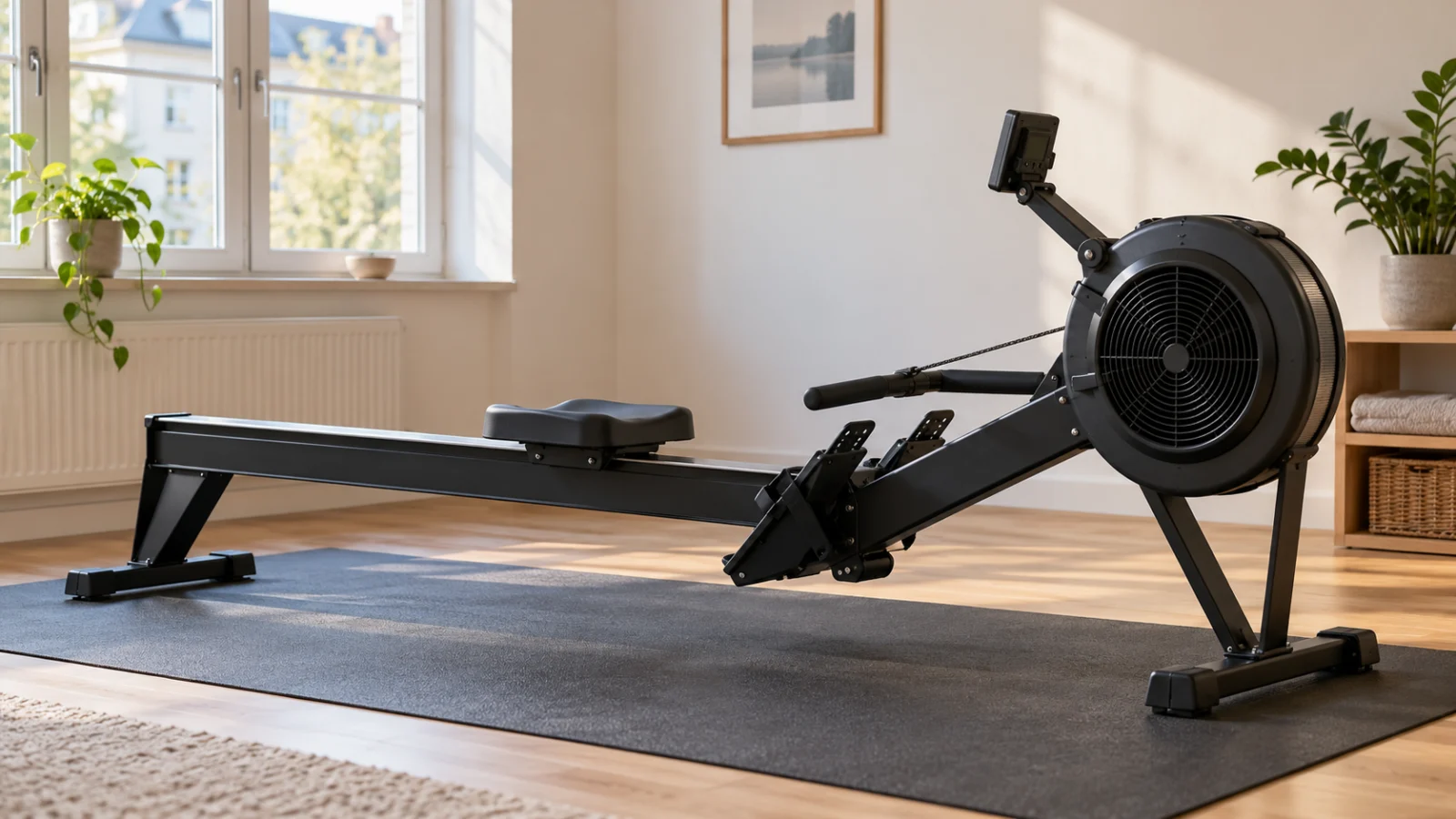 A rowing machine at home: space, noise and budget to plan for
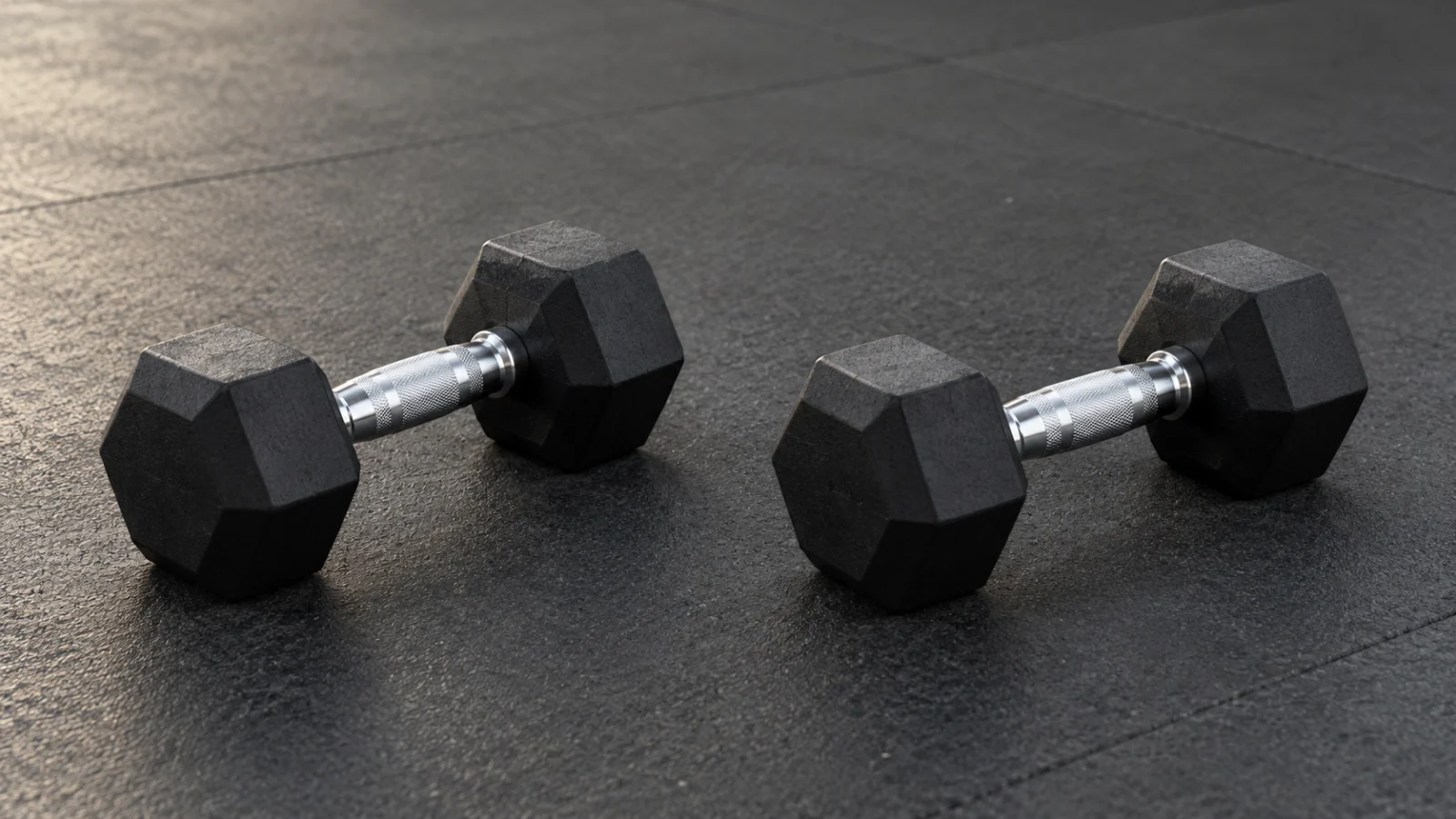 Adjustable or fixed dumbbells: which should you choose for home?
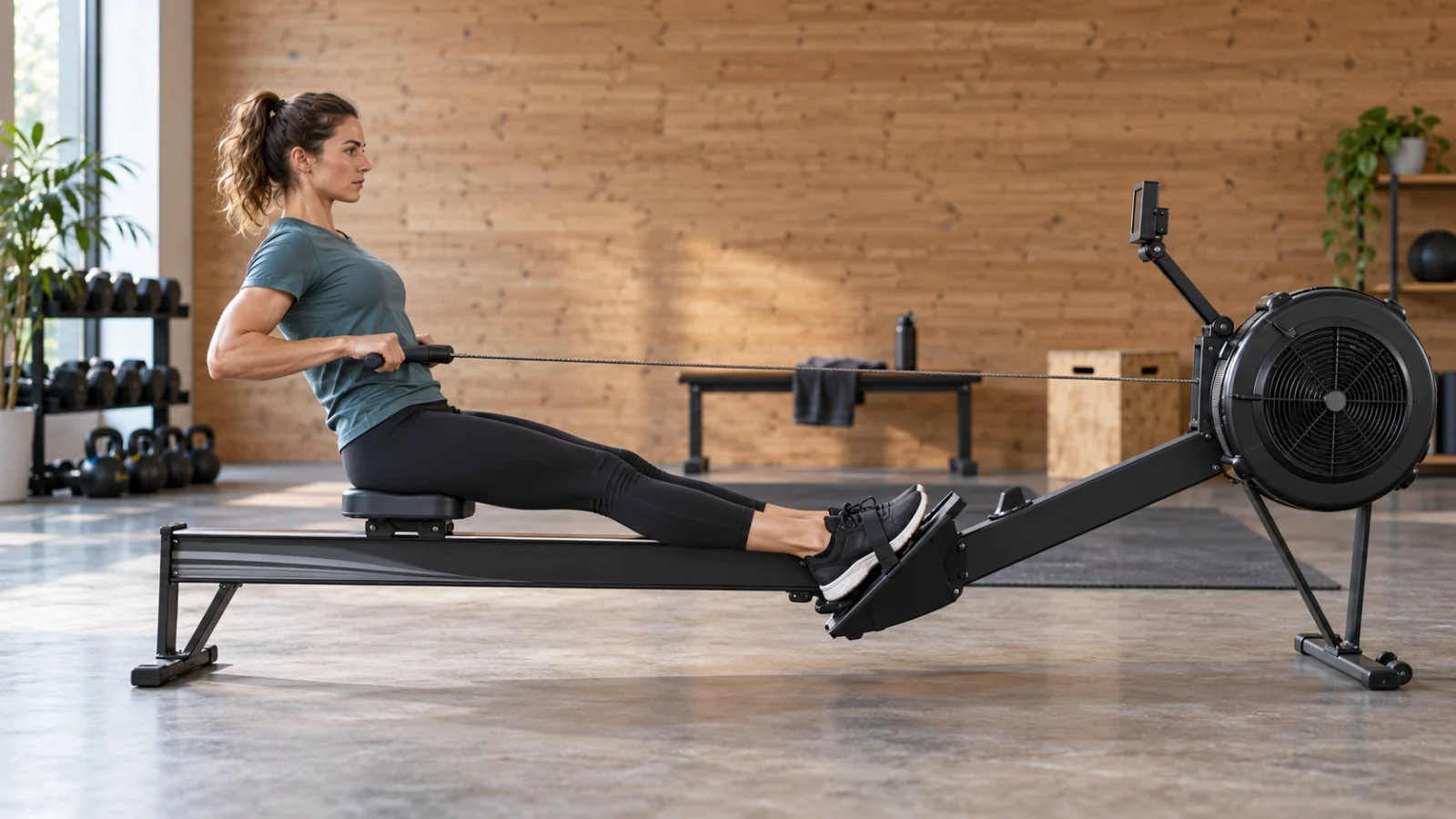 Which rowing machine should you choose for CrossFit and HYROX at home?