
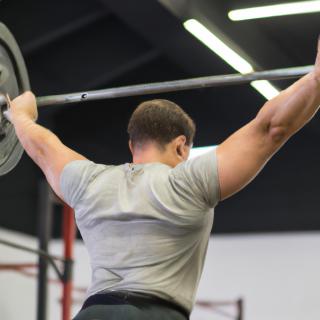
Start with the position you need
Overhead lifting requires an organised relationship between the load, arms, shoulders, trunk and base of support. The position used in a strict press is related to a jerk or overhead squat, but the complete tasks differ.
Rather than choosing stretches from a general list, identify the movement and phase that are difficult. Check whether the position is already hard to reach slowly or becomes inconsistent only during a lift.
Observe the rack and overhead support
With a light implement, compare the starting rack and the overhead finish. Note whether you can support the load comfortably without changing the task through an exaggerated trunk movement.
Grip width, implement and the selected lift affect the position. A snatch grip is not the same as a pressing grip. Use shoulder-to-overhead variations to understand those differences.
Explore controlled shoulder movement
The French guide discusses gentle chest and shoulder stretches, controlled band movements and upper-back motion. These are possible preparation tools rather than a universal sequence or a diagnosis of tight muscles.
Use an accessible range and appropriate resistance. If using a band, check its condition and attachment. Do not pull into a painful position or assume that more tension provides a better result.
Include trunk and lower-body organisation
An overhead position can change when the athlete dips, splits or squats. Compare a standing hold with the movement used in your session, using a suitable light implement.
If the bar moves only during the squat, look at balance and the whole receiving position as well as the shoulders. The weightlifting mobility guide explains how to observe these relationships.
Use a short preparation loop
Begin with progressive general movement, rehearse the required position, explore one relevant adjustment, then repeat the original task. Keep the same grip and stance for that comparison.
Continue into the warm-up loads selected for the session. A preparation routine should help you practise the lift, not replace every repetition with an expanding list of unrelated exercises.
Track useful changes
Record a clear reference: a stable overhead hold, an organised rack or a controlled dip with a light bar. Immediate comfort is useful feedback but does not establish a lasting change on its own.
Check whether the position remains repeatable over several sessions and as the movement is reintroduced. Range, strength, balance and coordination all deserve consideration.
Related practice
Overhead squat · Clean and jerk · Snatch flexibility. Persistent pain or a new limitation needs individual assessment rather than progressively stronger stretching.
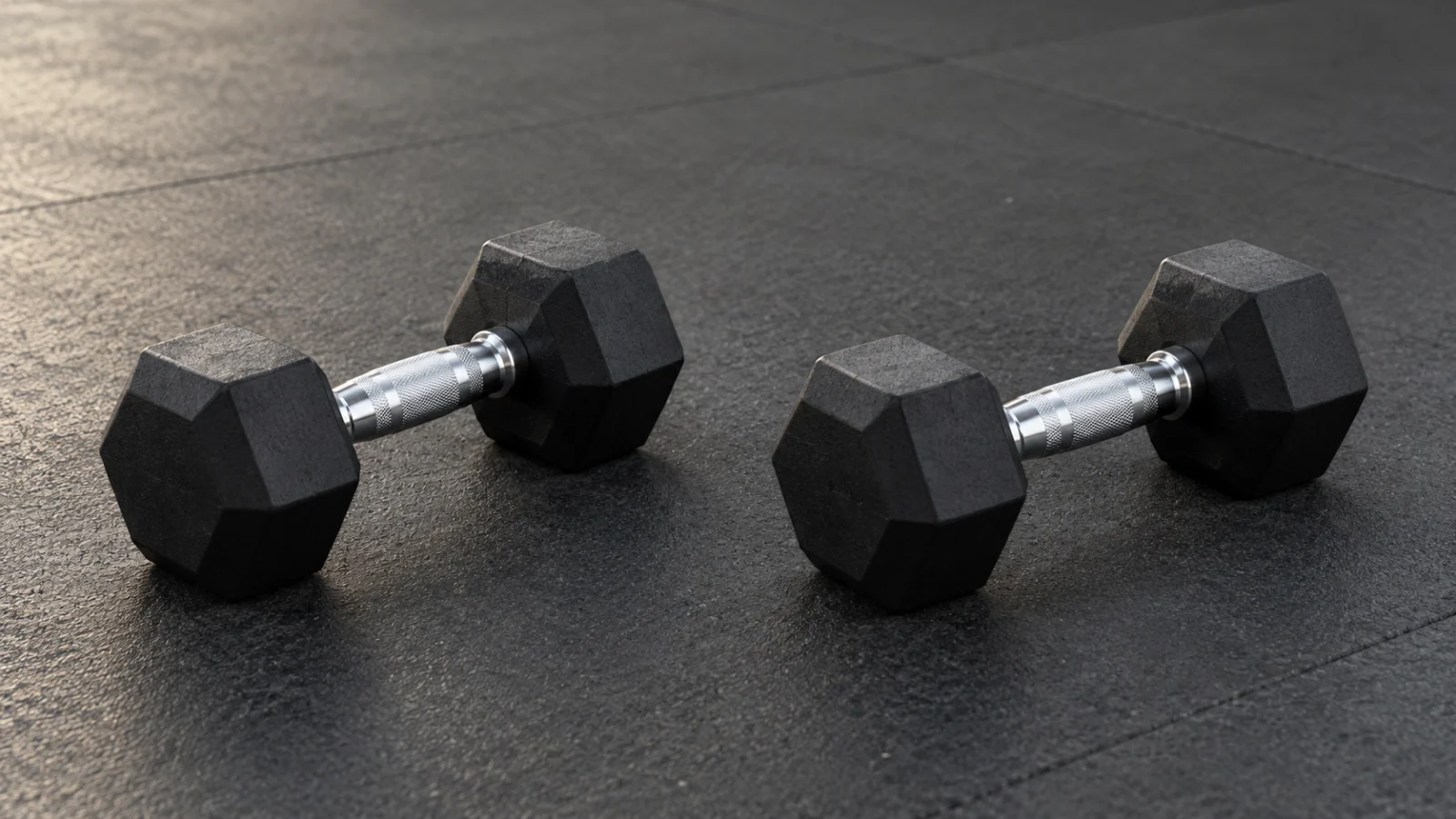 Haltères réglables ou fixes : lesquels choisir à la maison ?
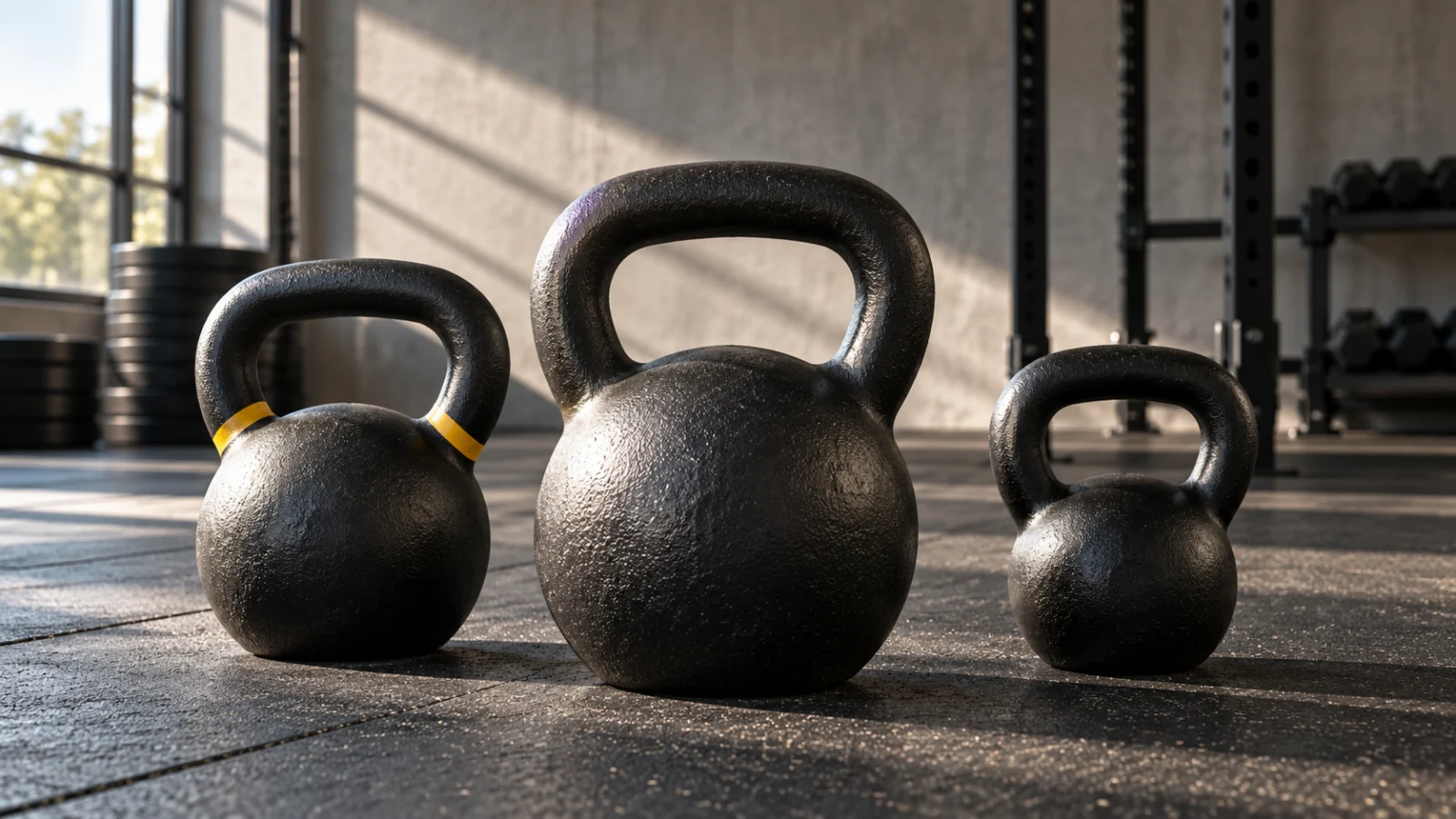 Quelle kettlebell choisir pour ses WOD ? Poids, modèles et conseils