
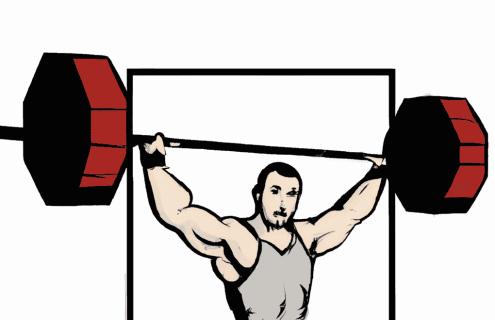
What is an overhead squat?
An overhead squat combines a squat with a load held overhead. The legs move through the squat while the arms, shoulders and trunk organise the support. The exercise is also relevant to the receiving position of a squat snatch.
The overhead position and the squat must work together. A load that you can hold while standing is not automatically one you can control during the descent.
Prepare the overhead position
Begin with a suitable light implement, such as a technique stick or bar. Establish an appropriate grip and stable overhead support before descending. Choose a clear area and learn how to start, finish and exit the exercise with your coach.
A wide snatch-style grip is common with a barbell. Its width should suit the athlete and the task rather than being copied from another person without checking the position.
Descend with balance
Set a comfortable squat stance and move slowly enough to observe the relationship between the feet, trunk and implement. Keep the support active while allowing hips and knees to bend.
Use a depth you can control while learning, then work towards the range required by your programme. Do not force a deeper position simply because the implement is light.
Stand and finish
Stand while keeping the overhead position organised and the load balanced over the base of support. Finish with a stable body position rather than treating the lift as complete while still moving.
The arms support the load throughout the squat; the exercise does not require a new press at the end of every repetition. Lower or rerack using the method you prepared.
Distinguish range from coordination
If a standing hold is manageable but the bar moves forward on descent, examine the squat and balance as well as the shoulders. A difficult repetition alone does not prove a single joint lacks mobility.
Compare a slow partial squat with the full movement and change one point at a time. Use the mobility guide to organise position practice.
Related exercises
A front or back squat changes where the load is supported. A press or push press moves a load overhead but does not reproduce the whole overhead squat. The snatch adds a pull and movement under the bar.
Use related exercises for their own purpose. Progress in one does not remove the need to practise the positions and timing of another.
In a WOD or strength session
Choose load and volume according to the session. Technical practice is different from repeating the movement under a clock. Prepare an adaptation before starting if the overhead position is not repeatable.
Record grip, implement, load and depth or competition standard. Compare the same variation and distinguish controlled repetitions from simply completing a number.
Frequently asked questions
Must I start with a loaded bar? No. Use an implement that lets you understand the combined positions.
Does a lighter bar solve every difficulty? No. It changes the load but does not automatically resolve balance, grip or the organisation of the squat.
Explore further
Squat technique · Snatch guide · CrossFit movement demonstrations
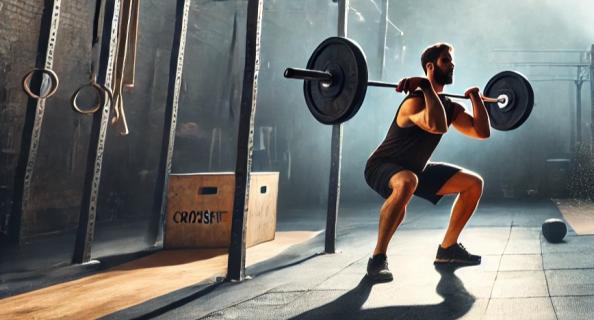 Front squat vs back squat: positions, differences and choosing a variation
 Muscle snatch: turnover, overhead finish and technical practice
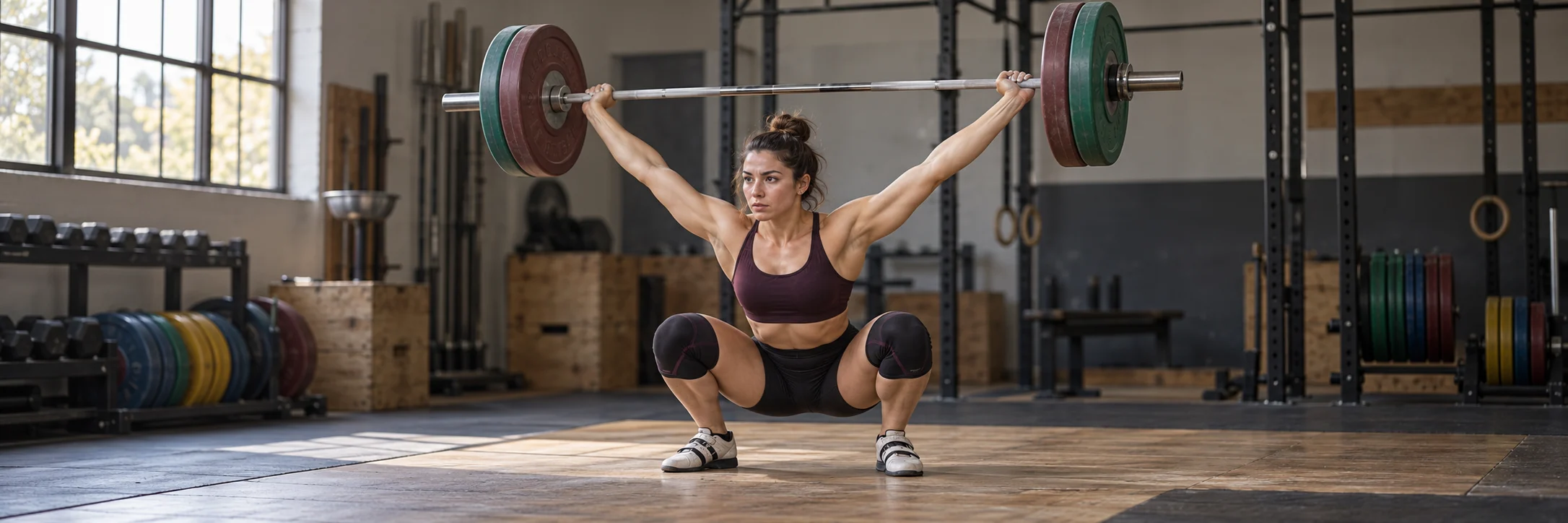 Squat snatch: connect the pull, reception and recovery