
Plan around your actual start
Use your start wave, travel, venue access and warm-up to build a timetable. An afternoon start does not mean skipping earlier meals. Check official timing and allow some margin: eating at home, travelling and waiting several hours differs from eating shortly before exercise.
Choose a familiar meal
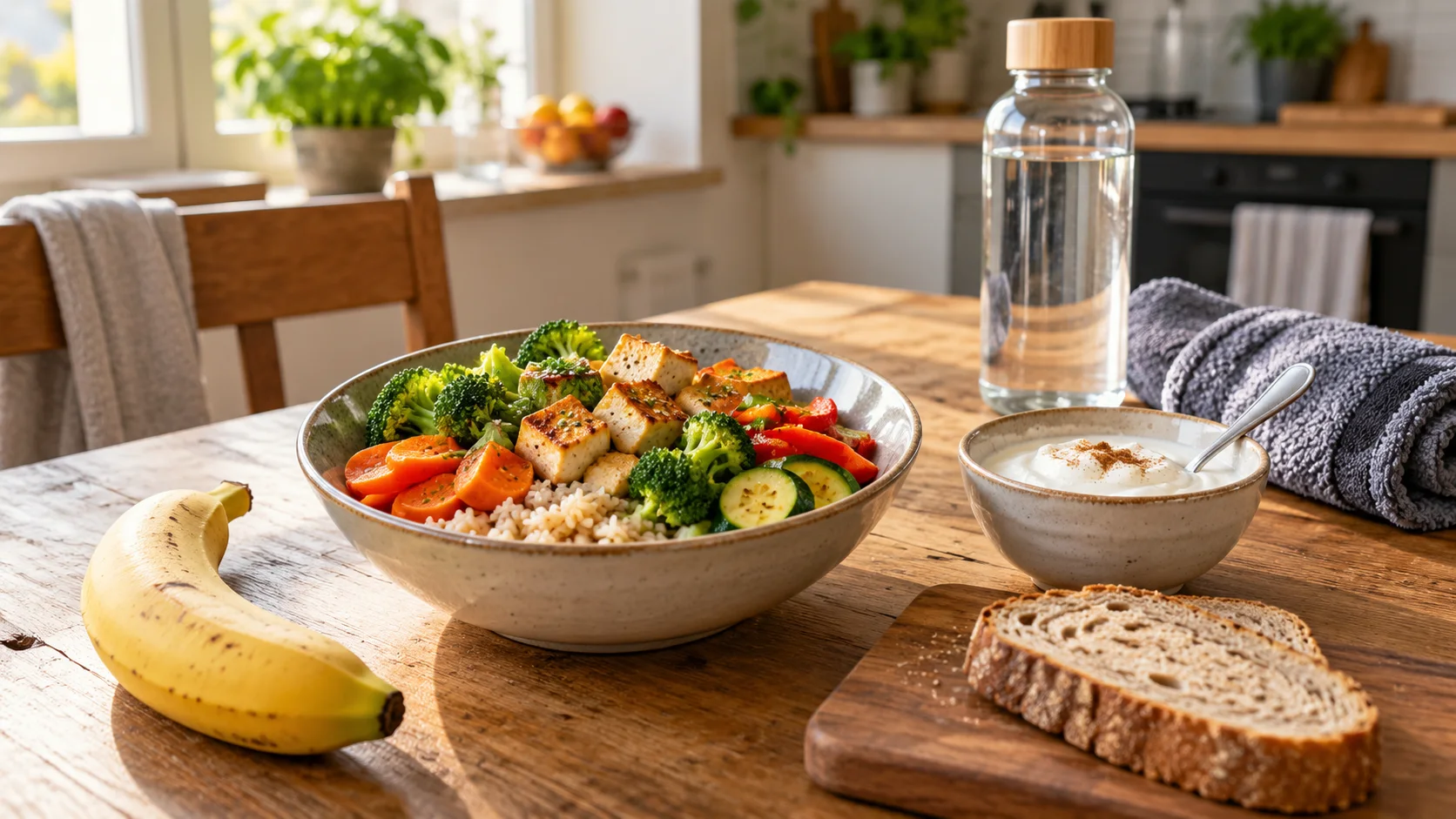
Choose foods rehearsed before demanding training. Depending on your routine, rice or pasta with a protein source, or a familiar bread-based breakfast, can provide a starting point. Adjust meal size and timing with a sports dietitian when needed. Avoid turning the previous evening into a food challenge or trial of several new supplements.
Pack an option for waiting
Bring a familiar portable snack if the meal is distant from your start: toast or bread, a banana or fruit purée depending on tolerance. Plan water access and food storage too. Do not assume aid stations provide your exact brand, flavour or serving; consult your event information.
Rehearse before race day
Try the planned meal at a similar time before an appropriate training simulation. Observe comfort, hunger and whether the timetable is practical. Fuelling during the race is a separate decision shaped by expected duration and your category’s rules. Check the current rulebook rather than relying on improvised outside assistance.
Continue planning
Sources
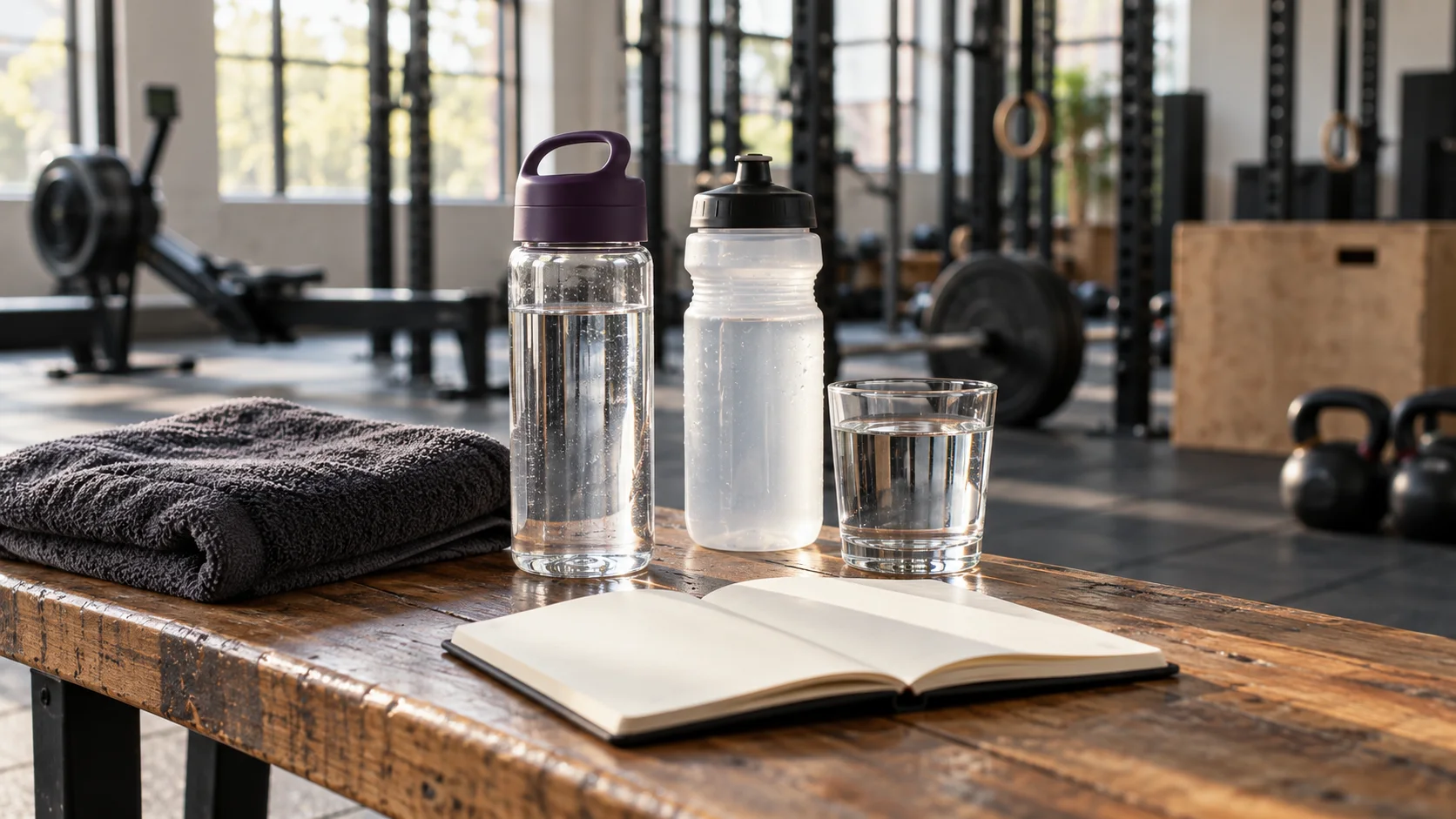 Hydratis, waterdrop or SiS: which hydration product should you choose?