

What is a pull-up?
A pull-up raises the body towards a bar from a hanging position. Grip, assistance and movement standards change the task. Strict, kipping and butterfly repetitions are not interchangeable techniques.
Start with support and control
Check the bar and establish a grip you can maintain. Progressively develop a controlled hang and shoulder organisation. Initiate the pull with coordinated shoulder and elbow movement rather than throwing the head towards the bar.
Choose a suitable progression
Ring rows, assisted pull-ups, controlled lowering and partial tasks serve different purposes. Select assistance and range for the intended exercise. A band changes assistance through the movement; record which one you use.
Strict, kipping and butterfly
Strict pull-ups develop pulling without a deliberate swing. Kipping adds a coordinated body swing; butterfly uses another cycle. Establish strength and support before adding more complex timing with coaching. Chest-to-bar adds a distinct contact requirement.
Volume and workout use
Choose manageable sets before grip or shoulder control deteriorates. Record grip, assistance, range and valid repetitions. A change in assistance can show progress even if the total is unchanged.
Explore the wider topic
Read the pillar guide · Choose a suitable workout version
Working towards a first pull-up
Identify whether grip, initiating the pull or finishing the ascent limits you. A ring row keeps the feet on the floor and can be adjusted through body angle. Foot or band assistance can reduce difficulty while preserving a vertical pull.
Record the assistance. A lighter band is not automatically progress if it makes the whole descent uncontrolled. Negative repetitions train lowering from a supported high start; they are demanding, so choose a measured volume and an accessible starting height. They are not compulsory for every beginner.
Grip, range and momentum
Pronated pull-ups face the palms away; chin-ups face them towards you. Chest-to-bar requires chest contact rather than only the chin above the bar. These names do not establish one universal difficulty order. Follow the particular WOD’s standard.
CrossFit recommends strict pull-up proficiency before kipping. Learn to create and stop a controlled swing, then connect it with the pull. Butterfly adds a different cycle; one successful repetition does not yet establish readiness for high volume.
Choose adaptations for the session
Ring rows, assisted pull-ups or fewer repetitions may suit different goals, but they are not automatic equivalents. The adaptation should support the intended pulling work without spending the whole workout waiting for another attempt.
Keep technically demanding learning where you have enough recovery to observe it. Record grip, assistance, range and descent quality. More repetitions achieved by shortening the range change the exercise.
Frequently asked questions
Does a chin-up count as a pull-up? It is a pulling variation with a different grip. Follow any grip and movement standard specified by the workout.
Must I use a band? It is one option. Choose adjustable assistance that develops the intended phase with control.
How many pull-ups before a muscle-up? A number alone cannot answer. Pulling height, transition and pressing support need separate assessment.
 Muscle-ups: bar, rings and progression
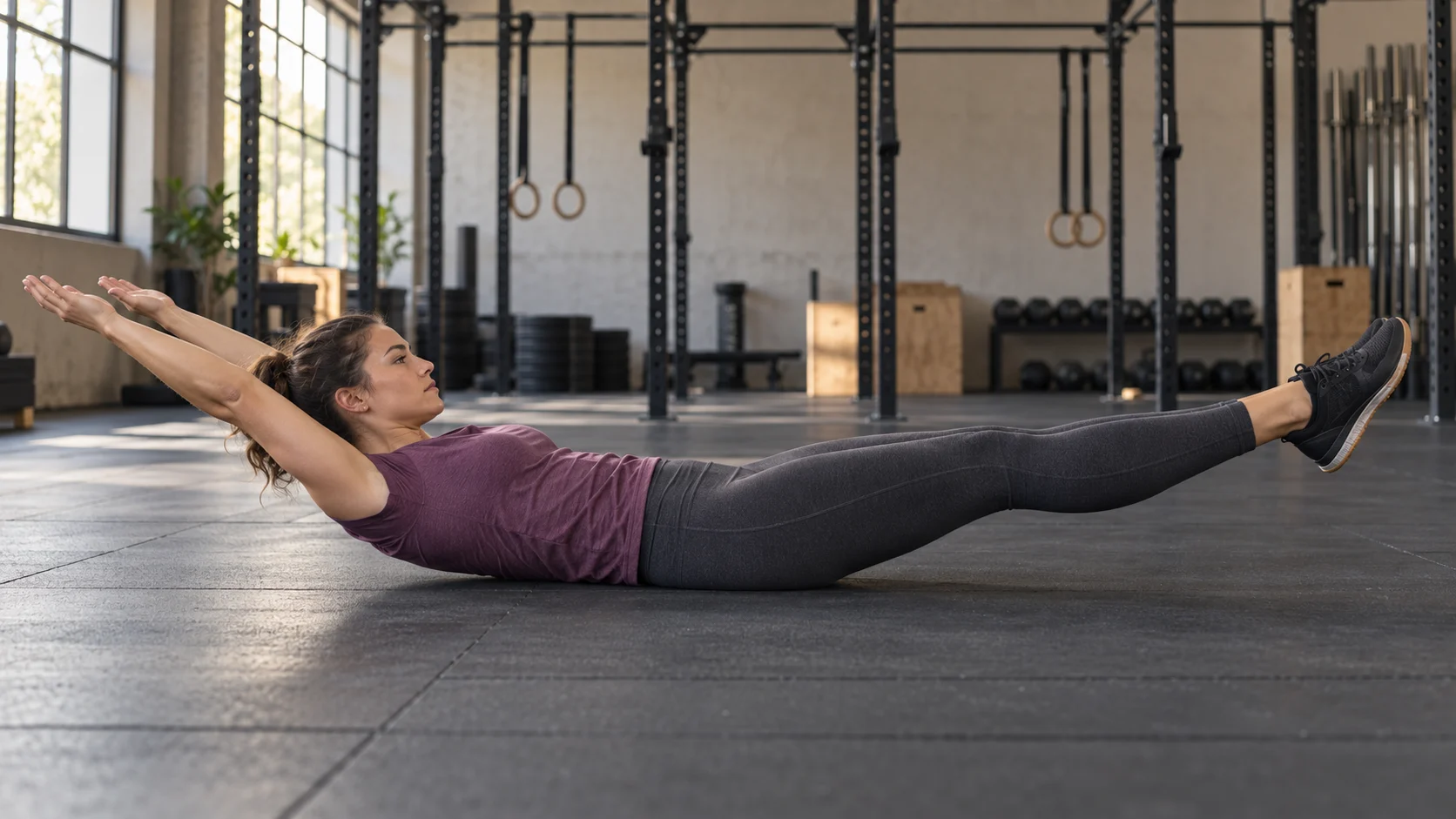 Core control and toes-to-bar: technique and progression
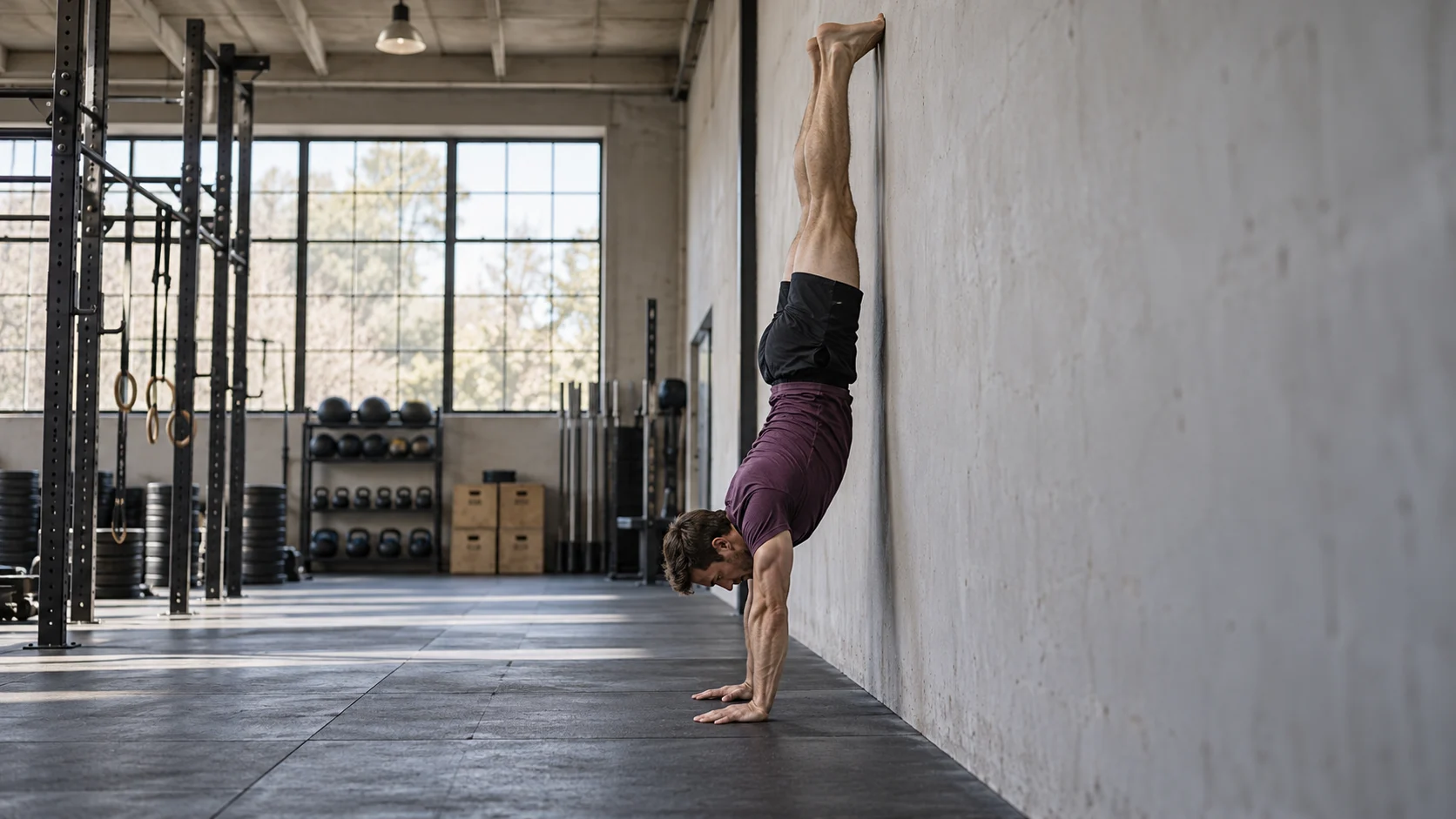 Handstands: balance, walking and handstand push-ups