
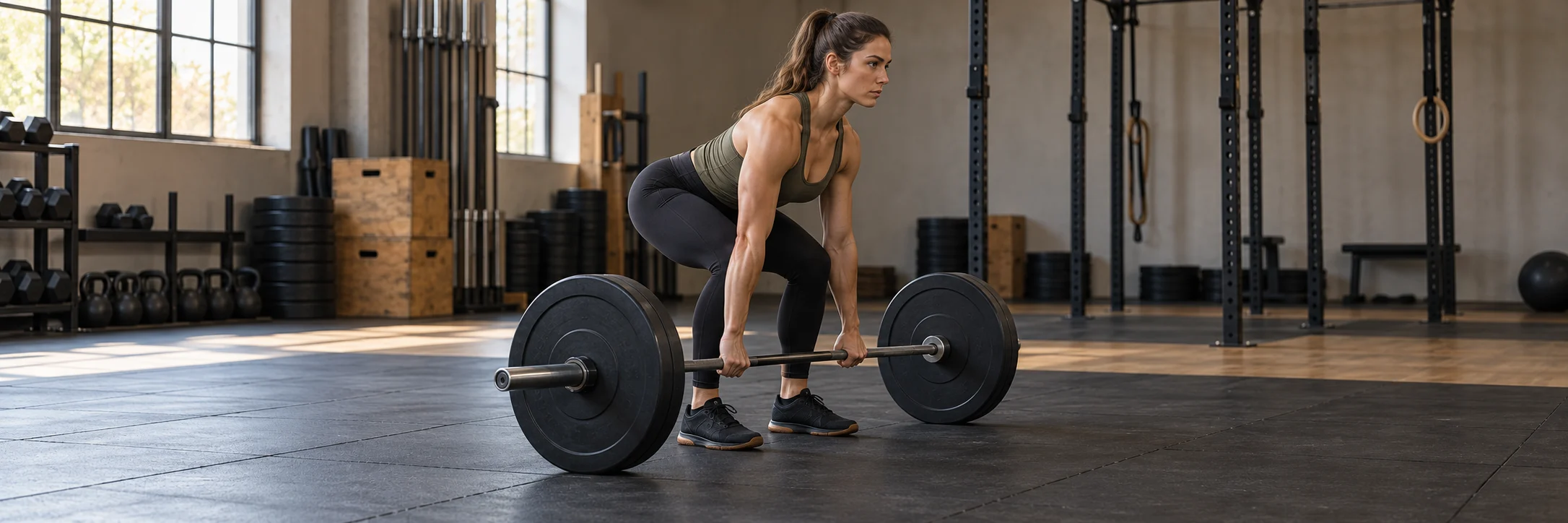
Lift a load from the floor
A conventional barbell deadlift raises the bar to a standing position with straight arms and the hands outside the legs. Hip and knee extension move the load while the trunk maintains its position.
Set up deliberately
Place the bar close to the shins over the midfoot. Use an appropriate starting height; small plates should not accidentally force a lower start. Bend hips and knees to grip the bar, brace and establish tension before lifting.
Hip position depends on proportions. The setup is neither a deep squat nor a completely stiff-legged position.
Stand and lower with control
Push through the floor while hips and torso rise in coordination. Keep the bar close and elbows straight. Finish with hips and knees extended without exaggerated backward leaning.
To lower, move the hips back, keep the bar close and bend the knees further as it clears them. Reset the start when required.
Conventional, Romanian and sumo
A conventional deadlift starts from the floor. The Romanian deadlift starts standing and emphasises moving the hips back with slightly bent knees; depth follows controlled positioning rather than a requirement to reach the floor. Sumo uses a wider stance with hands inside the legs.
Grip and common difficulties
Double overhand is a simple starting grip; mixed grip and hook grip serve other needs and require practice. Grip changes do not correct a distant bar or poorly organised start. If hips rise before the bar or the bar travels around the knees, review setup and coordination.
Progression and WODs
Record variation, starting height, load and repetitions. Timed sets differ from maximal attempts. Touch-and-go requires control of the return and transition; bouncing is not a substitute for consistent positioning. Choose load for the whole workout and explore training organisation.
 Romanian deadlift: understand the hinge and control the range
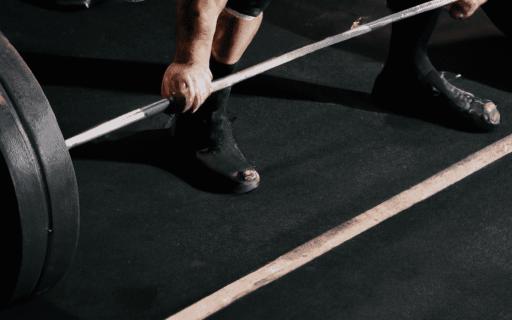 Conventional vs Romanian deadlift: five practical differences
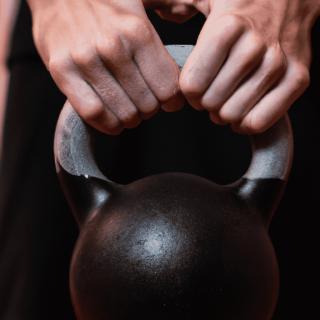 Dumbbell deadlift: setup, movement and practical adaptations