

From a hang to support
A muscle-up moves from below the apparatus into support above it. Pulling, transitioning and pressing out are coordinated phases. A high pull alone does not complete the skill.
Bar and rings differ
A bar is fixed while rings move independently. The grip, transition path and support demands differ. Do not assume that proficiency on one apparatus transfers immediately to the other.
Prepare the components
Develop controlled hanging, pulling and pressing support appropriate to the apparatus. Ring support and dips, bar support and transition drills can address distinct needs. Choose progressions with a coach rather than relying on repeated full attempts.
Learn the transition
Practise how the body moves from below to above the hands using suitable assistance or a lower setup. A false grip is relevant to some ring techniques, but grip choices depend on the version being learned.
Strict, kipping and WOD standards
Strict and kipping versions use different movement strategies. Check the prescribed start, support and lockout. Scale the task when repeated attempts prevent the intended workout, and record the exact progression.
Explore the wider topic
Read the pillar guide · Choose a suitable workout version
Different supports, different transitions
A bar is fixed, so the body must move around it into support. Rings can move independently, and controlling their position is part of the task. In a strict ring muscle-up, a false grip helps connect the pull and transition. Introduce that grip progressively in a suitable assisted position rather than forcing it during a high attempt.
Observe each phase separately
The pull must position the body high enough for the transition; an ordinary chin-over-bar pull-up does not automatically provide the same trajectory. The transition changes the body’s relationship to the support. The final dip and stable support must also be available. More swing cannot resolve a missing pushing phase.
Use low rings to explore the connection
Set rings low enough to enter and leave the position easily with the feet on the floor or a stable support. Use leg assistance to slow down the transition and keep it symmetrical. Record ring height, foot position and assistance. An assisted transition can be a useful practice task without immediately becoming a full hanging attempt.
Prepare support and descent
Passing above the rings is only one part of success. Practise a suitable support position, the dip and a controlled exit. Avoid finishing by forcing one elbow over before the other. A coach can help decide when reducing assistance is appropriate.
Strict foundations and kipping
CrossFit’s teaching resources recommend strict control before kipping ring muscle-ups. Swing adds timing and support-control demands; it does not replace pulling and pushing capacity. There is no universal pull-up count that guarantees a muscle-up. Find the missing phase rather than accumulating full attempts.
Choose a useful WOD adaptation
A pulling task, suitable pressing task or assisted transition may serve different session goals. Select volume and difficulty with the time available in mind. A substitution need not become longer and more complicated than the original movement. Technical practice can remain separate from a timed workout.
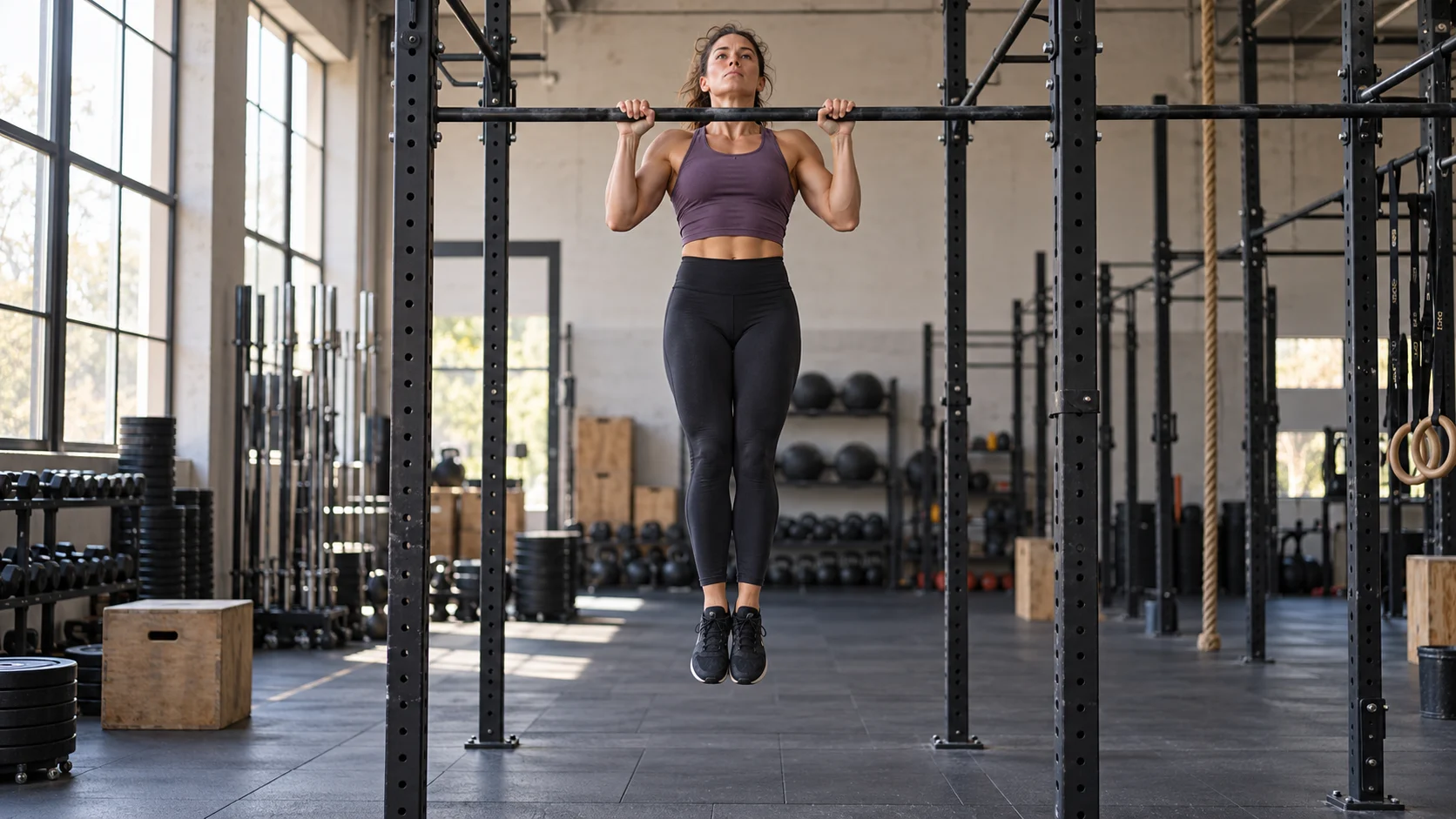 Pull-ups: technique, variations and progression
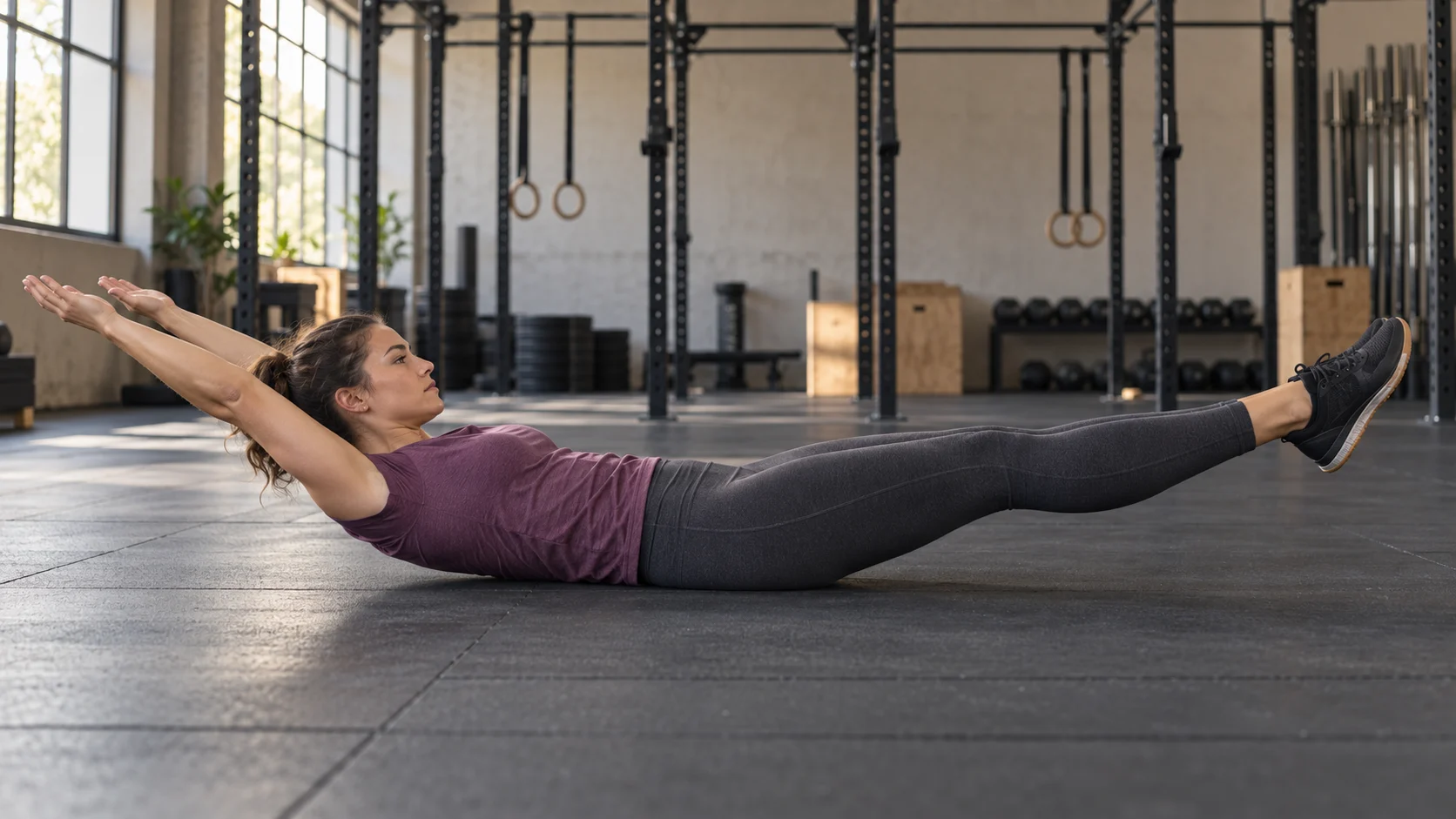 Core control and toes-to-bar: technique and progression
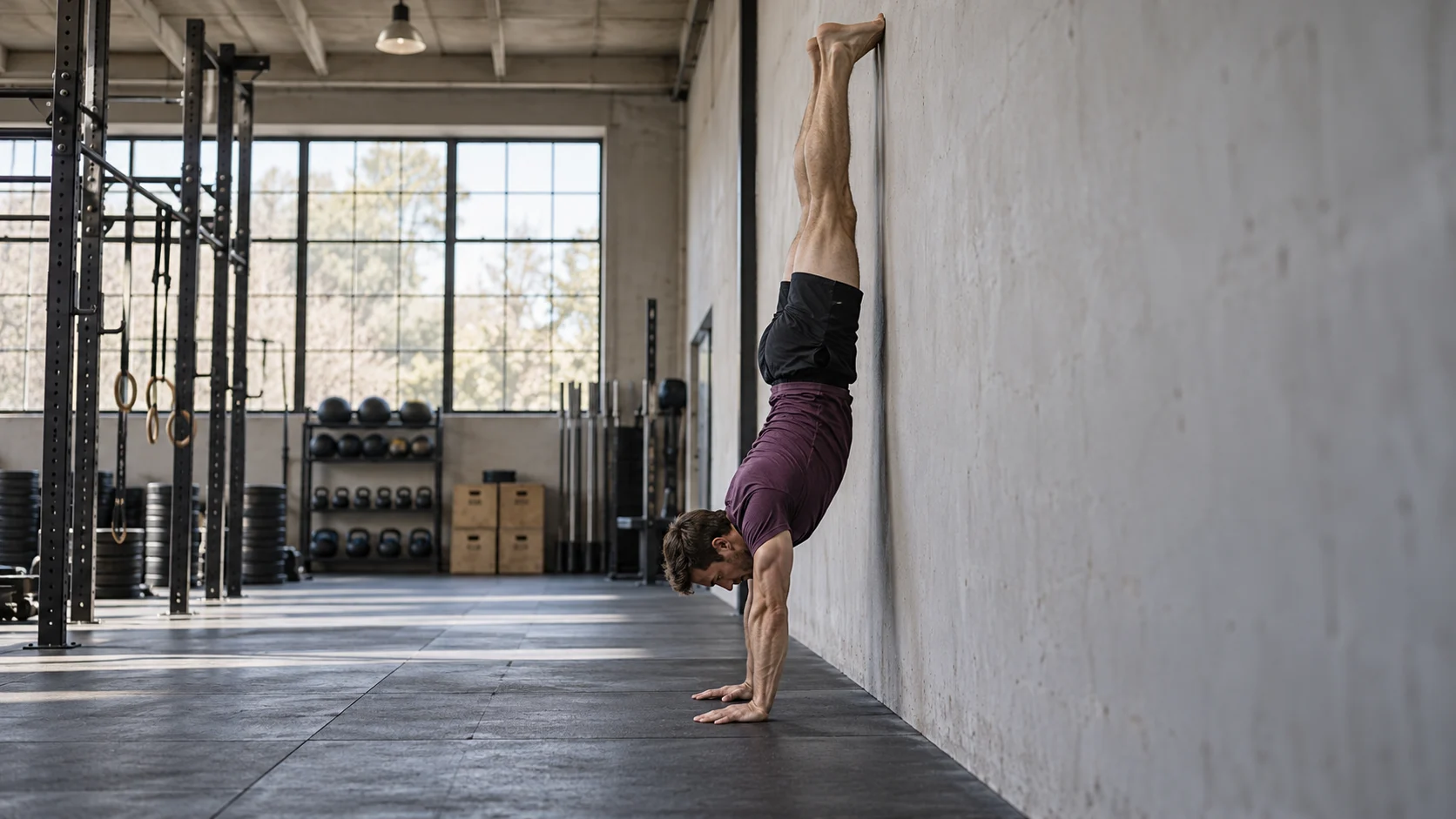 Handstands: balance, walking and handstand push-ups