

What is a double-under?
A double-under sends the jump rope beneath your feet twice during a single jump. A single-under has one pass per jump. The extra rotation requires coordinated airtime and faster rope movement, rather than simply performing ordinary skipping more quickly.
It combines jumping rhythm and wrist control. Practising a first successful repetition is a skill task; maintaining repeated double-unders within a WOD adds endurance and pacing demands. Start with the jump-rope guide if you are still building consistent single-unders.
Essential technique
1. A controlled jump
Allow enough airtime for two rope passes while keeping the body centred. Practise a repeatable bounce without the rope first. Land with control and avoid replacing a steady jump with a large knee tuck or an exaggerated kick backwards.
The aim is usable airtime rather than the highest possible jump. If your position changes on every attempt, shorten the practice set and reset.
2. Wrist-driven rotation
Keep the hands close to the hips and use compact, controlled wrist movement to accelerate the rope. Large arm circles and tense shoulders make the rhythm harder to reproduce. Observe whether your hands gradually move wider during a set.
3. Timing
Synchronise the jump with the two rotations. Alternating a single-under and one double-under is one way to explore the change in timing. Several successful attempts with resets are useful before trying to link a long set.
Common mistakes and what to check
The rope catches the feet
Check the timing, hand position and available airtime. A low jump can leave insufficient time, but catching the rope does not always mean you should jump much higher. A change in hand position can also shorten the effective rope clearance.
The rotation feels inconsistent
Observe the wrist action and whether the rope accelerates at the intended moment. Check the length and the cable’s condition. Change one variable at a time rather than adjusting length, jump and grip together.
The body tips or becomes tense
Seek relaxed shoulders, an organised trunk and a centred bounce. If fatigue changes the posture or landing, pause and restore the position. Forcing more attempts with a different movement pattern can make the problem harder to identify.
Choose equipment that supports practice
An adjustable rope lets you test a workable length before making a permanent cut. A thin speed-rope cable can rotate quickly, while a beaded rope offers more noticeable feedback. A more expensive model does not replace timing and coordination.
Use a clear area and a surface suited to the rope. Read the jump-rope buying guide for adjustment, handle and replacement-cable considerations.
Build an observable progression
Work on one point per short practice block: repeatable jumping, compact rotation or the transition between single-unders and double-unders. A short video or a coach’s observation can help identify when the movement changes.
Record successful repetitions, interruptions and the rope setup. Consistent attempts with resets are progress even before you achieve a long unbroken set. Account for calf, foot and shoulder fatigue alongside your other training.
Use double-unders in a WOD
Choose the repetition count and variation according to the workout’s intended effort. If repeated misses stop the rest of the session, discuss fewer double-unders, single-unders or a defined practice period with your coach.
There is no universal conversion ratio between single-unders and double-unders. Speed, interruptions and fatigue vary. Record the version actually completed and read the RX and scaling guide before comparing scores.
Frequently asked questions
What is the difference between a single-under and double-under?
One rope pass per jump versus two. Double-unders need different timing and rotation, not just a faster single-under cadence.
What if I cannot link consecutive repetitions?
Review jump consistency, rope path and wrist timing. Use spaced attempts and establish repeatable successes before chasing a large set.
How many should I aim for in a WOD?
The appropriate number depends on the session’s goal and your current control. A fixed beginner or advanced target cannot account for every workout. Agree the task before starting.
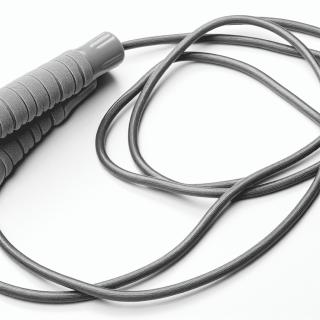 How to adjust your jump-rope length
 Double-under workouts: ladders, Annie and mixed circuits
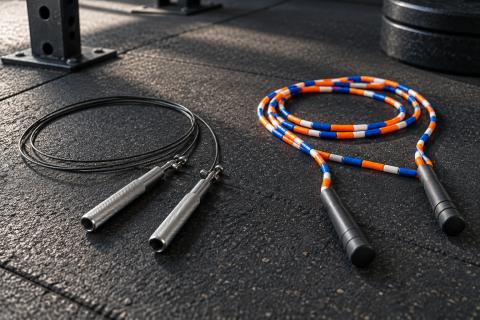 Which jump rope should you choose for CrossFit and cardio?