
Core control in gymnastics
Core work involves organising the trunk while limbs or support positions change. Static holds and dynamic hanging movements have different demands. Quality and control matter alongside time or repetitions.
Build familiar positions
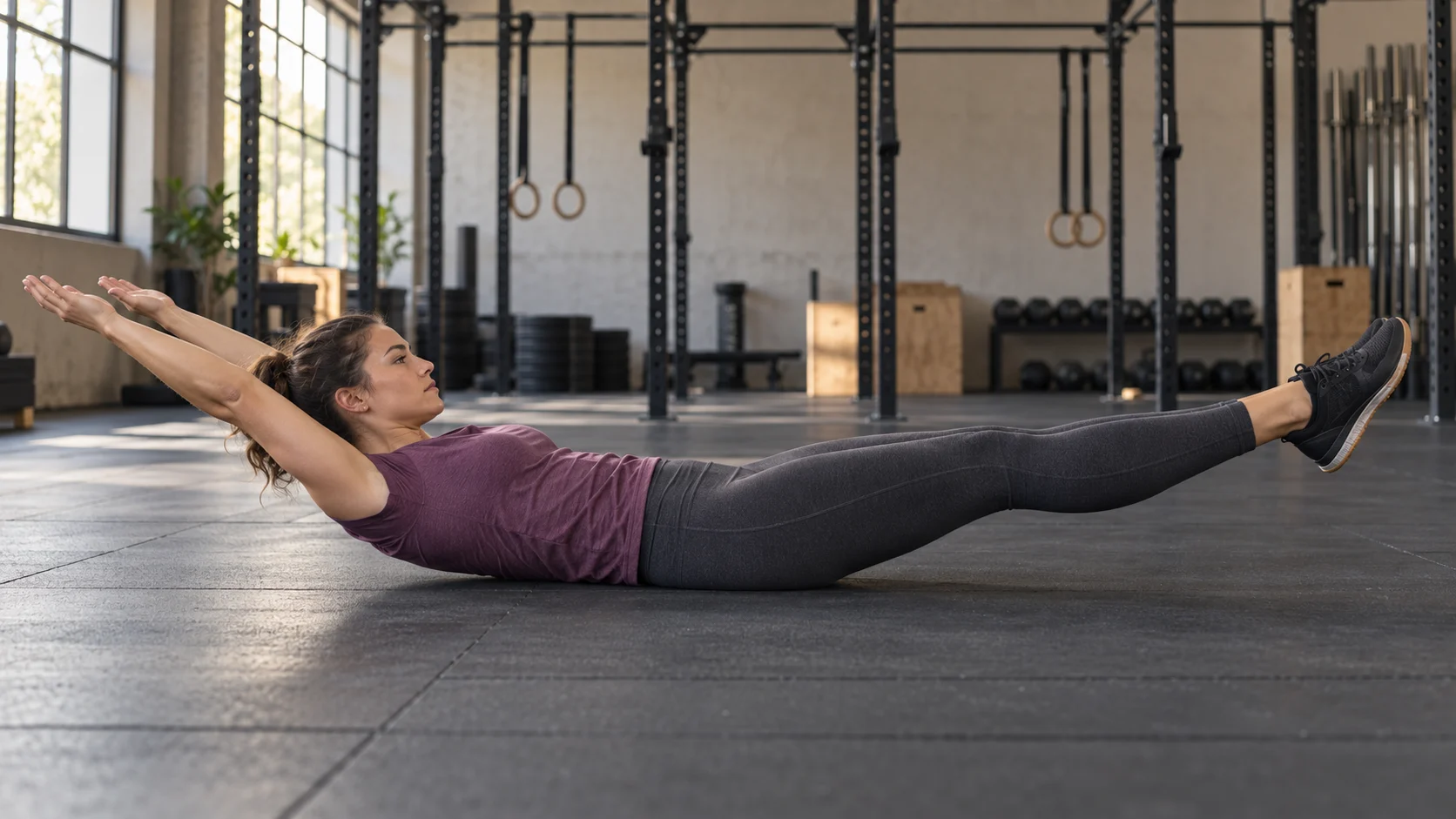
Hollow and arch positions help describe body shapes used in gymnastics. Practise versions you can control rather than forcing a larger range. A plank is a related support exercise, not a complete substitute for hanging practice.
Hanging leg raises and toes-to-bar
Toes-to-bar brings the feet to the bar while hanging, according to the workout standard. A strict raise and a kipping cycle use different organisation. Grip and shoulder support can limit the task before the abdominal effort does.
Progress the task
Knee raises, adjusted leg height and small controlled sets can reduce complexity. Choose assistance or range based on the session’s aim. Develop a repeatable swing with coaching before trying to accelerate a large set.
In a workout
Check start position and required contact, then choose manageable sets. Record variation, range and repetitions. Do not compare knee raises and full toes-to-bar scores as identical work.
Explore the wider topic
Read the pillar guide · Choose a suitable workout version
Explore hollow and arch positions
A floor hollow position aims to retain a controlled body shape, including lower-back contact with the support. Bring the limbs closer to the body to make it more accessible, then lengthen them only while control remains. Keep breathing. A short stable hold is more informative than a long attempt whose shape changes completely. Arch is a controlled extension shape; floor practice provides a reference but does not reproduce all the timing of a hanging swing.
Prepare a controlled hang
Check the bar installation and use a suitable way to reach it. You should also be able to come down before your hands release. Observe what tires first: grip, shoulder organisation and the ability to stop a small swing may limit a set independently of trunk strength.
Strict and kipping toes-to-bar
A strict repetition brings the feet to the bar without deliberate swing. Kipping coordinates a controlled swing with the lift and return. The contact alone does not describe the whole repetition. Letting the legs fall without organising the return can create an extra swing that delays the next repetition.
Match an adaptation to the difficulty
An adapted floor hollow may help explore body shape. Short hangs address the available grip time. Knee raises or partial range can make lifting and lowering more manageable. Small shape changes followed by a stop help examine swing control. Isolated repetitions and small sets can expose a difficult return. These are separate tasks, not a universal ladder everyone must complete in the same order.
Organise WOD sets
Choose a variation that fits the session without long waits beneath the bar. Plan breaks before grip exhaustion rather than always attempting a maximum set. Record interruptions and the version used. For competition, check the required start position and foot contact in the event’s own standards.
Compare control before volume
Use the same grip, assistance and range when comparing attempts. A higher foot position is useful only alongside the intended controlled return. Account for pull-ups and muscle-ups elsewhere in the week because they also load the hands and shoulders. Reassess persistent discomfort instead of automatically adding more abdominal work.
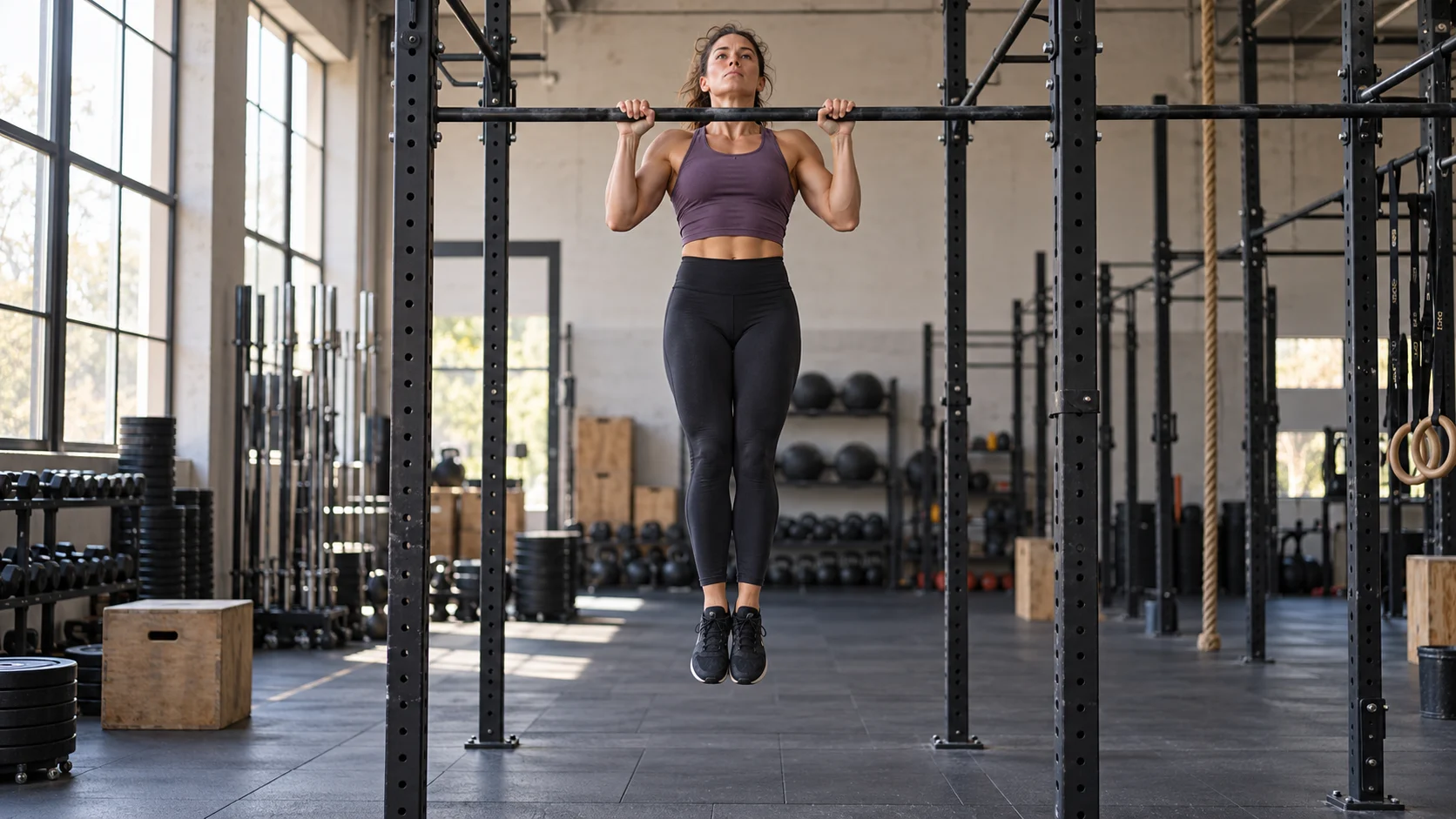 Pull-ups: technique, variations and progression
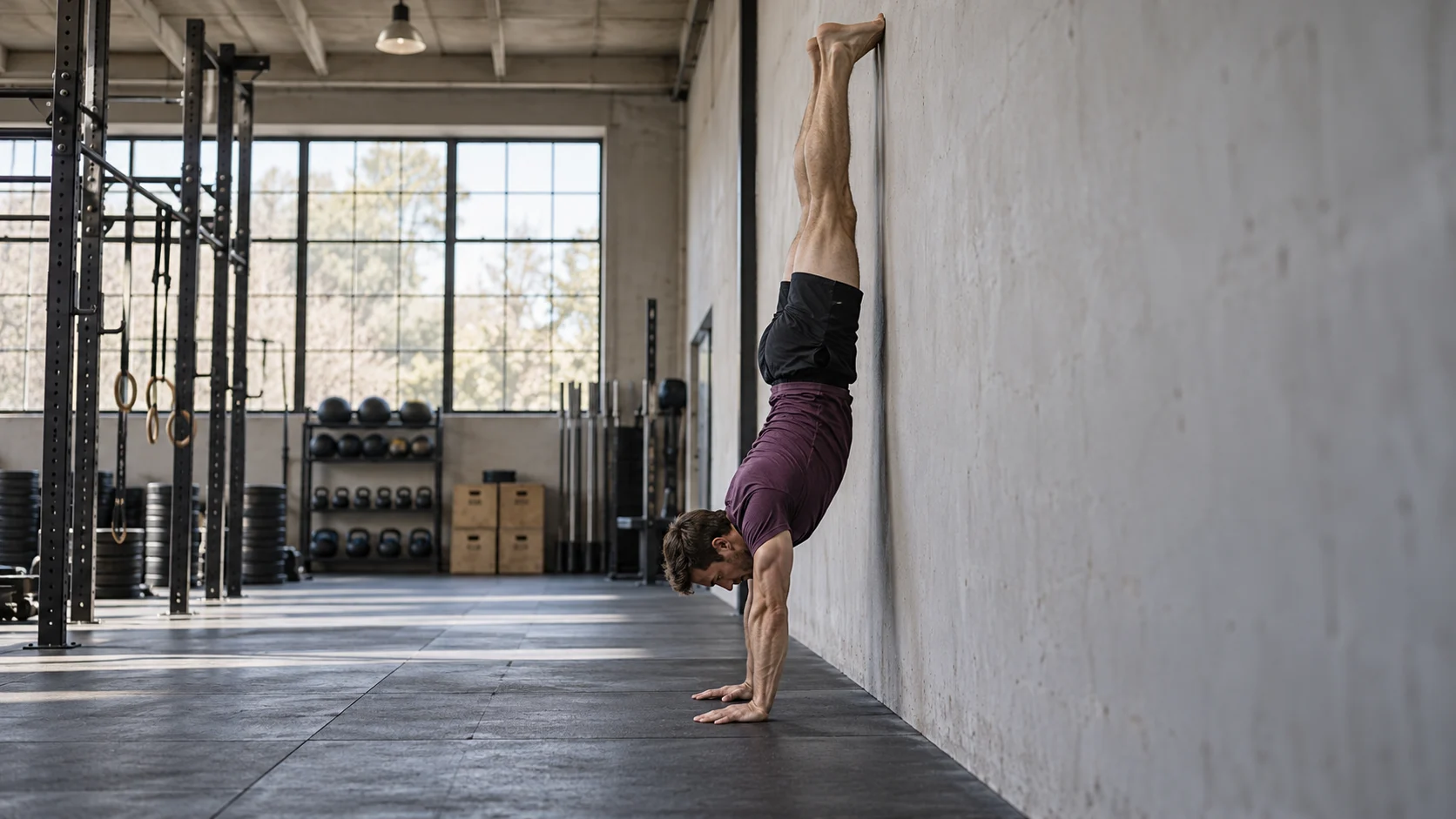 Handstands: balance, walking and handstand push-ups
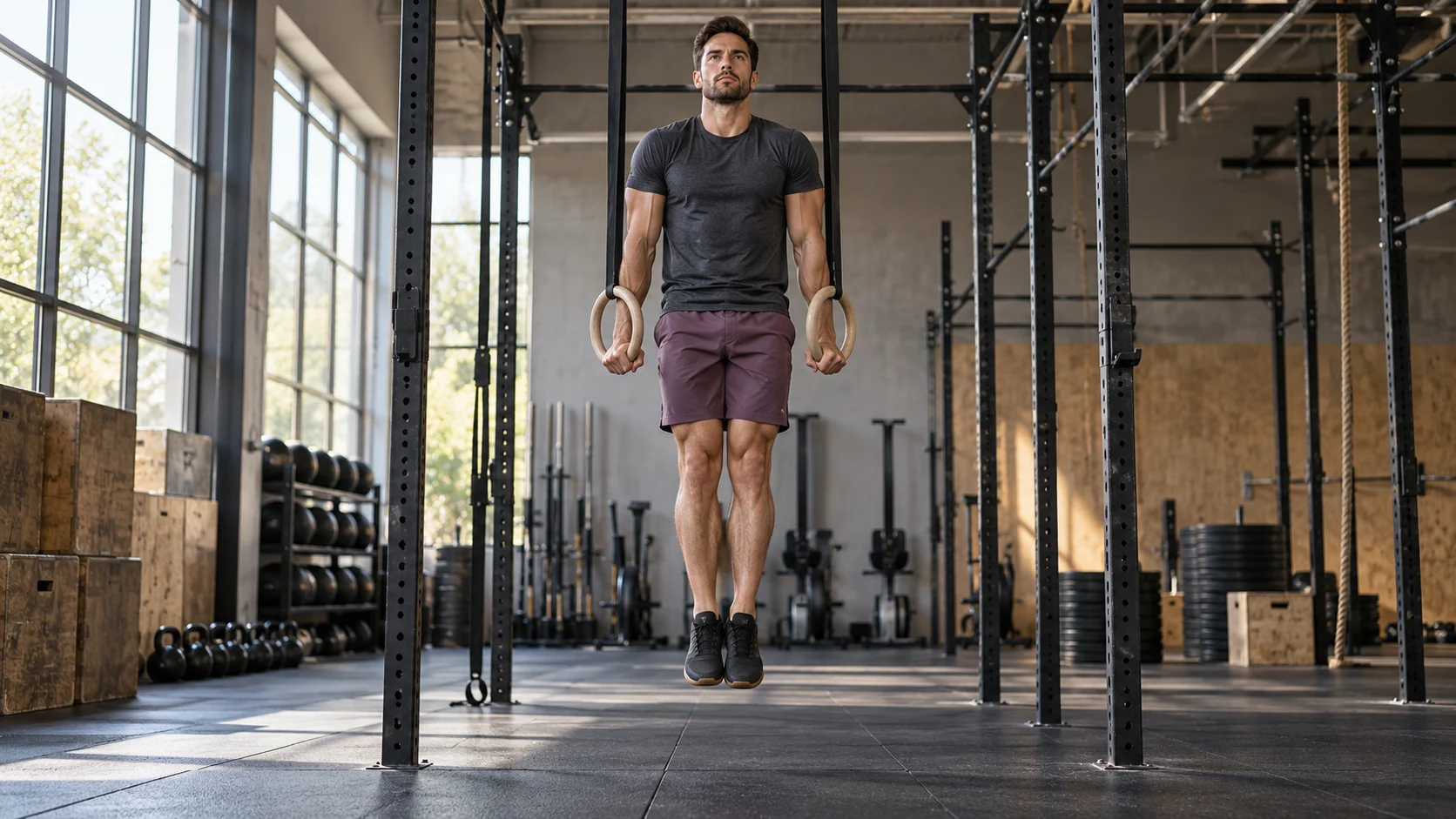 Muscle-ups: bar, rings and progression