
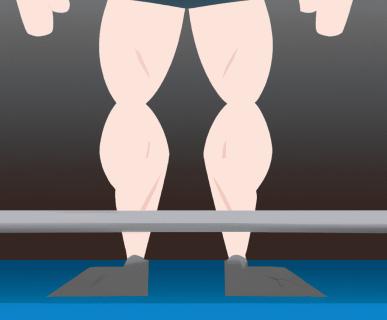
What is a Romanian deadlift?
The Romanian deadlift, often shortened to RDL, is a hinge variation commonly begun from standing. It is used in strength and weightlifting preparation. A slight knee bend and a controlled lowering distinguish the task from simply squatting the weight towards the floor.
A barbell or dumbbells can be used. Choose the implement and load for the position and control you can maintain, rather than starting from the heaviest weight you can lift from the floor.
Establish the standing position
Begin with a stable stance, the weight held close and the arms long. Prepare the trunk before the first lowering. If using a barbell, use a repeatable grip and keep the shoulders organised rather than allowing the bar to pull you forward.
Getting the weight into the starting position is part of setup. Use an appropriate pickup or rack arrangement and do not skip that step because the working repetitions begin at the top.
Lower through the hinge
Let the hips move back as the torso inclines, keeping a modest knee bend and the load close to the legs. Maintain the intended trunk position and balanced foot contact.
Choose the lower limit according to the controlled range available. The floor is not a compulsory endpoint. A fixed target such as mid-shin will not suit every athlete or every setup.
Return to standing
Reverse the hinge under control and finish upright. Do not turn the top into an exaggerated backward lean. Maintain the same movement organisation across repetitions rather than chasing a lower position as the set continues.
If you cannot reproduce the chosen range without changing the task, reduce range, load or repetition count and review the setup.
Compare with a conventional deadlift
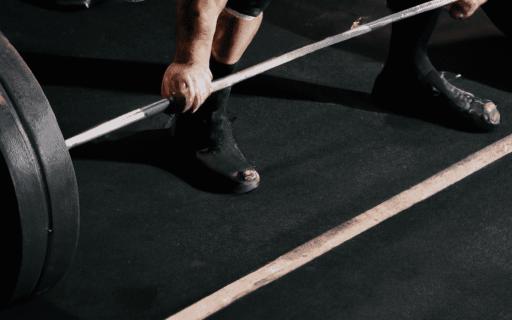
A conventional deadlift usually starts from a defined floor position, with the setup established before the pull. An RDL generally starts standing and emphasises the controlled lowering and reversal. Neither name makes every exercise performed with the same weight directly comparable.
Learn the task described in your programme. A deeper knee bend, floor pause or changed starting height may turn it into a different variation worth recording separately.
Variations and programming
Dumbbells change grip and implement placement. A different barbell grip also changes the task. Choose a variation to answer a training purpose rather than changing it merely to make every session more difficult.
Place the RDL alongside the other lifting and lower-body work in the programme. There is no need to copy a universal set count or loading percentage from another athlete. Record load, range, repetitions and tempo for a useful comparison.
Review common errors
Avoid letting the weight drift away, changing the knee bend substantially during each lowering or extending the set after the intended position is lost. Begin with a load that allows observation and repeatability.
The exercise is a training movement, not a diagnosis or a treatment for a back problem. Persistent discomfort calls for reviewing the activity with an appropriate professional.
Source and related guides
Catalyst Athletics: Romanian deadlift provides a weightlifting demonstration. Also explore deadlift technique and dumbbell deadlifts.
 Dumbbell deadlift: setup, movement and practical adaptations
 Conventional vs Romanian deadlift: five practical differences