

Start with the purpose of the extra training
CrossFit can combine strength work, gymnastic skills and conditioning in a coached setting. If you already run, cycle or play a sport, first decide what you want an additional session to contribute. Variety can be enjoyable, but more activity is not automatically a better programme.
Identify a specific objective, such as learning basic lifting or adding a regular strength-focused session. Your main sport's technical practice still matters; a general workout does not replace sport-specific preparation.
Look at the whole week
List your current sessions, demanding training days, competitions and available recovery time. Include the physical demands of your ordinary routine. A new class adds work even if its exercises differ from your usual sport.
Discuss the complete schedule with the coach rather than presenting the CrossFit session in isolation. Two workouts can overlap in their demands even when their names or equipment look different.
Add a manageable amount first
The French guide suggests one or two sessions as a possible starting arrangement. Treat that as an example to discuss, not a universal weekly prescription. The appropriate amount depends on your existing training, experience and priorities.
Start with a workload you can evaluate. Avoid adding several unfamiliar sessions and increasing your main sport's training at the same time, since that makes it harder to understand what is helping or causing difficulties.
Choose and adapt the session
A runner seeking lifting practice may need a different task from a team-sport athlete seeking general conditioning. Check whether the gym offers specialist classes or can adapt the planned workout to your objective.
Use suitable loads and movement progressions. A demanding lower-body circuit immediately before an important running session may not match your priorities. Learn about scaling workouts so you can discuss changes clearly.
Account for competition periods
When your main sport's important events approach, review the amount and timing of additional work with your coaches. This may mean maintaining familiar training, reducing volume or moving a session rather than introducing a new demanding challenge.
No generic class guarantees a faster sprint, stronger swing or fewer injuries. Judge the extra training by its actual role in your plan and your response over time.
Track the result and adjust
Record attendance, the session content and how it fits with the rest of your week. Notice whether you can complete key sport sessions as intended, rather than looking only at a CrossFit score.
If the arrangement is difficult to sustain, change the frequency, session type or workload with your coach. Our beginner guide can help you start, while the personal-record guide explains why daily records are not required for useful progress.
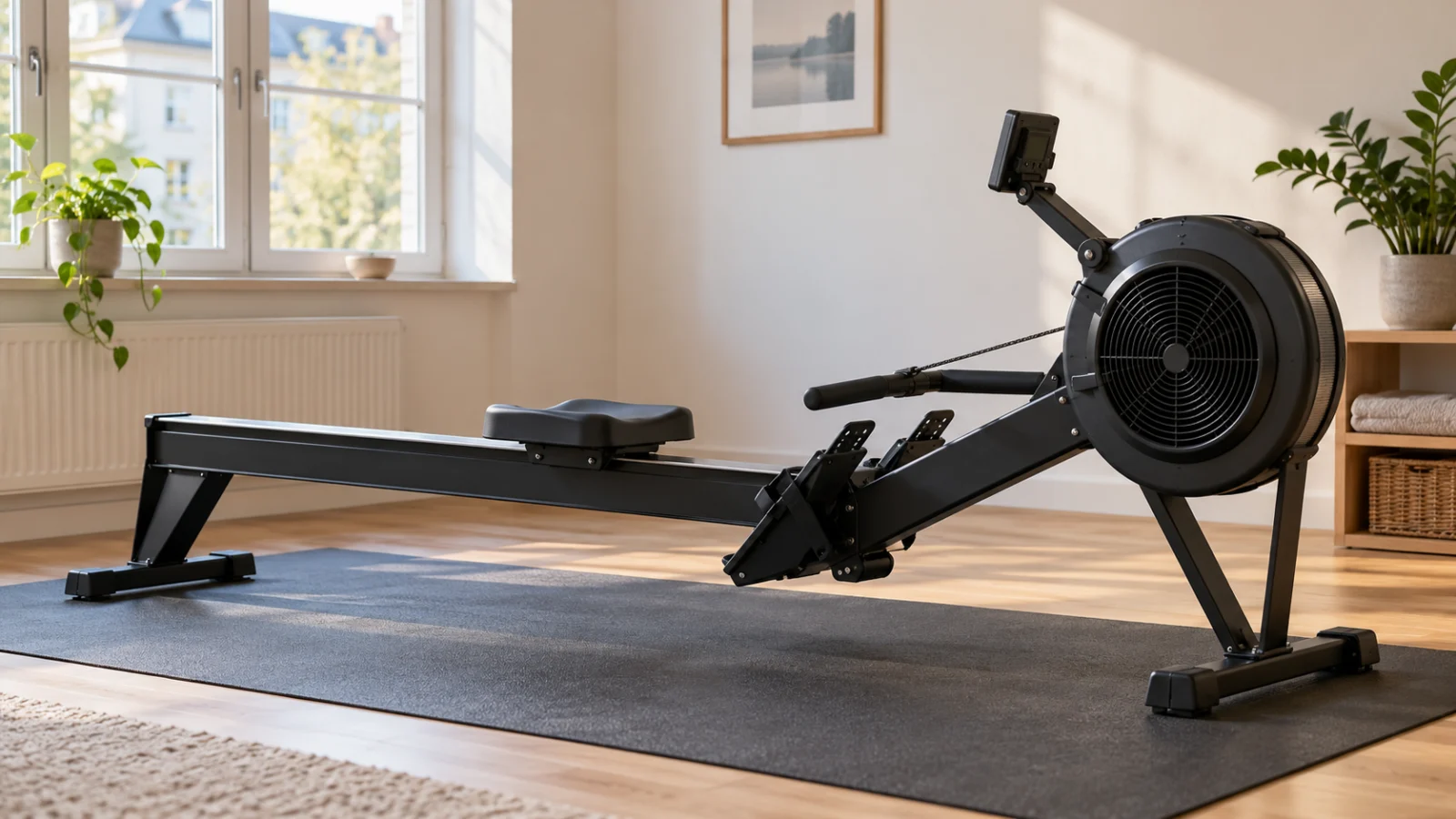 A rowing machine at home: space, noise and budget to plan for
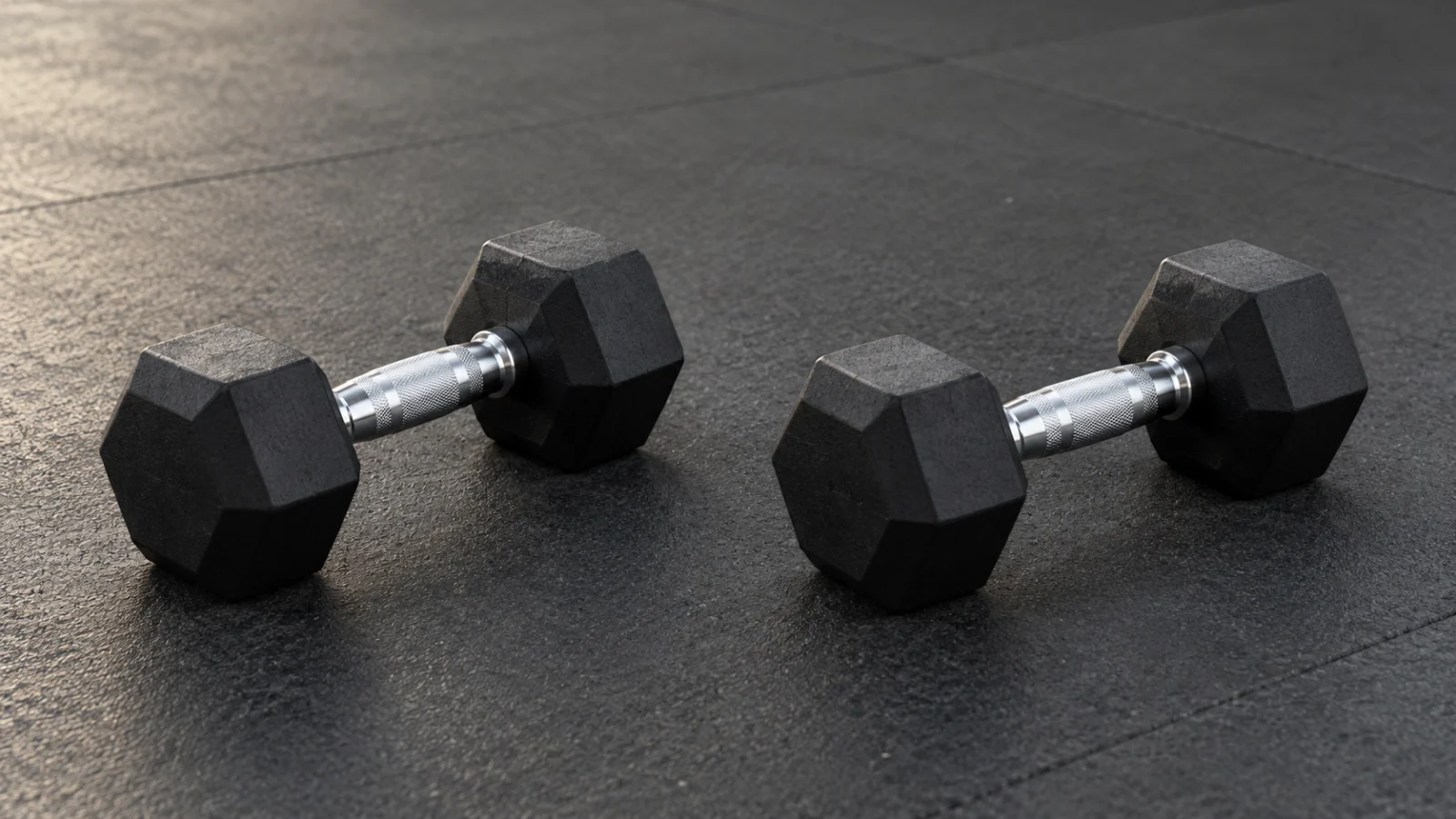 Adjustable or fixed dumbbells: which should you choose for home?
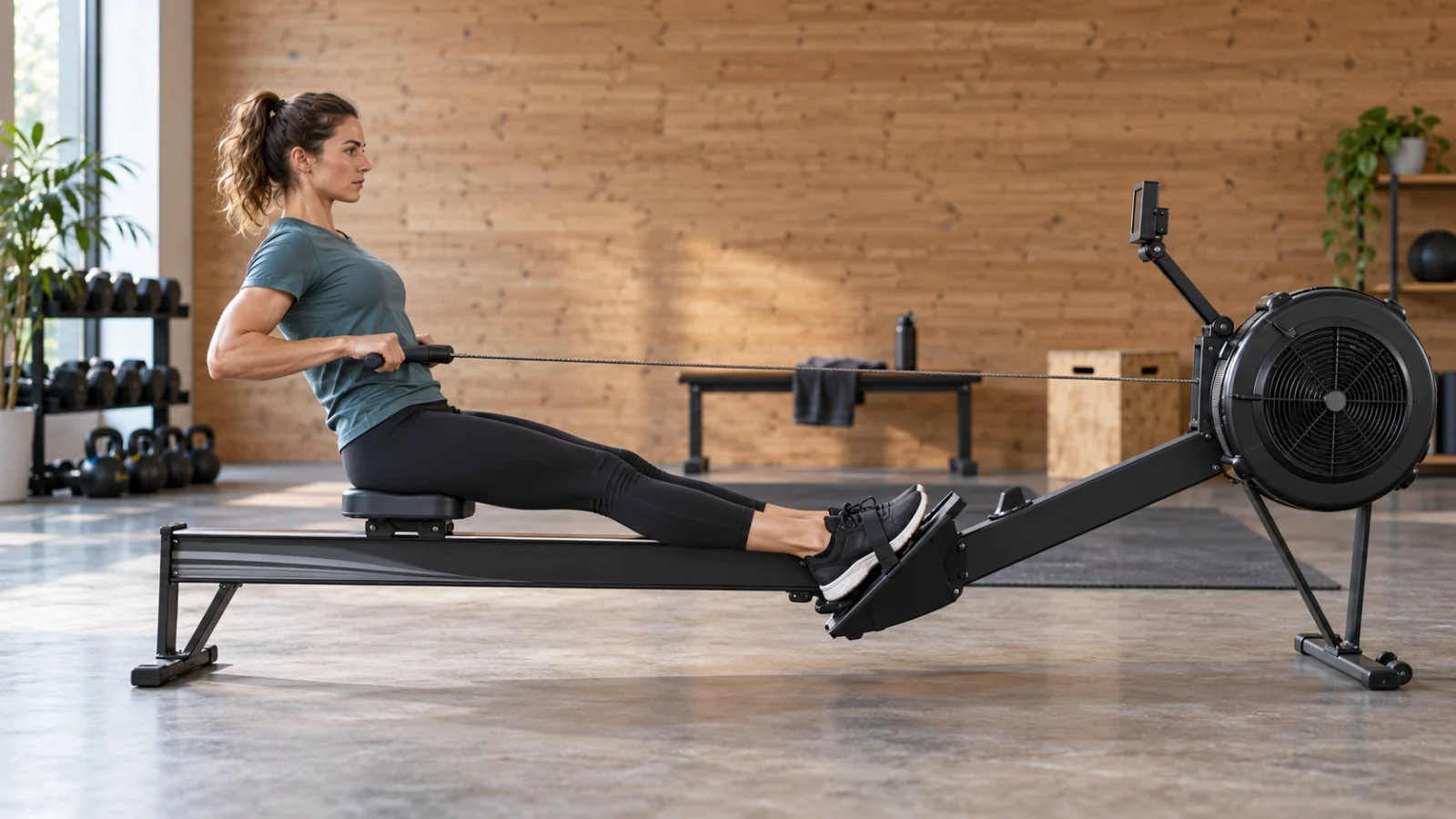 Which rowing machine should you choose for CrossFit and HYROX at home?