
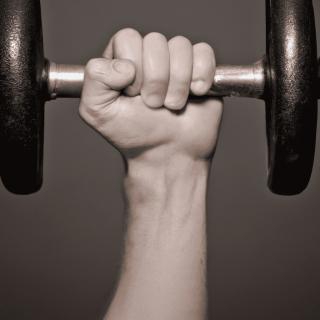
What is a PR?
PR stands for personal record: your best recorded performance for a defined task. It might be your heaviest successful squat, your fastest time for a benchmark workout or your highest repetition score within a time limit. Personal best, or PB, is another commonly used expression.
The definition of the task matters as much as the number. A heavier partial squat is not automatically a new record for a full-depth squat. An adapted workout and its RX version should have separate entries.
Why personal records can be useful
A training log makes change visible. Moving from a 50 kg squat to a 70 kg squat under the same standard gives a clear reference for that lift. It does not, by itself, describe every aspect of your fitness.
Records can also make goals more concrete. Instead of simply aiming to improve everything, identify a skill, lift or workout that matters to you. Work with your coach on the practice needed and allow the goal to change as your experience develops.
Record enough context to compare results
- The date and exact exercise or workout
- Load, implement and repetition count
- Movement variations and range standards
- Workout duration, cap and scoring method
- Planned rest or other changes to the programme
For a workout such as Murph, record whether you used a vest and how you partitioned the work where permitted. A faster result after changing several conditions may be a useful session without being directly comparable to the previous attempt.
Celebrate progress with your community
Sharing a successful attempt can be motivating, and teammates may offer encouragement or useful observations. A gym board is one way to recognise achievements, but public comparison is optional. Ask before posting another person's score or photograph.
A notebook, spreadsheet or training app can all work. Choose a method you will use consistently rather than assuming that a particular tool is necessary.
A record is not required every session
Training includes practice, accumulated work and recovery as well as testing. A day spent improving technique may serve your longer-term goal even when the load stays the same. Avoid turning every planned session into an unplanned attempt at a best result.
Fatigue, preparation and the day's task affect performance. A slower workout does not erase previous progress. Use the log to understand patterns rather than interpreting every individual result as a verdict.
Keep the goal broad enough
A strong lift, a consistent running pace and a developing gymnastic skill are different achievements. Give each room in your training rather than chasing only the number you already do well.
Learn how rep maxes relate to lifting records, and read about RX and scaled versions before comparing benchmark scores. Clear standards make a personal record more meaningful.
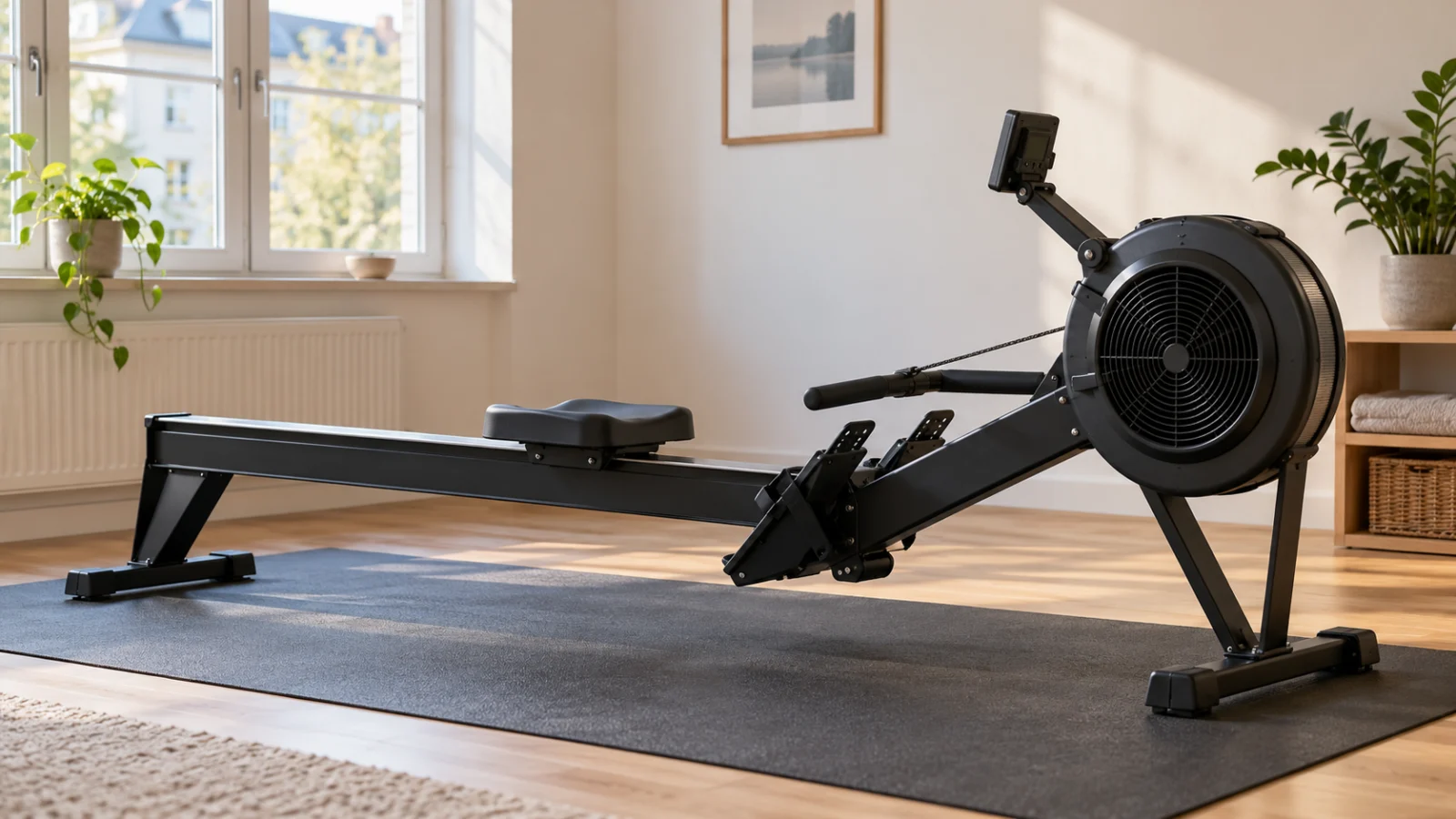 A rowing machine at home: space, noise and budget to plan for
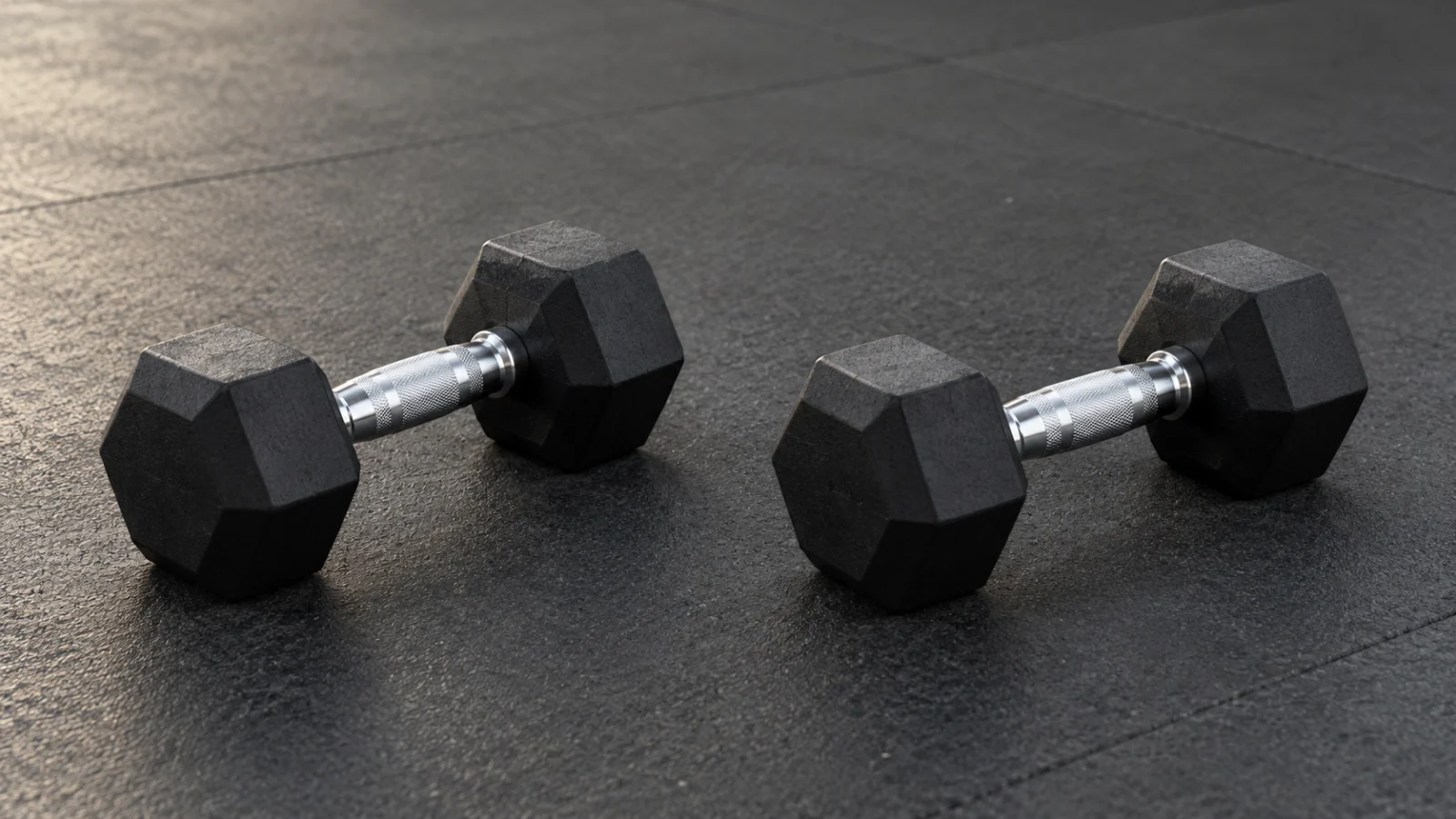 Adjustable or fixed dumbbells: which should you choose for home?
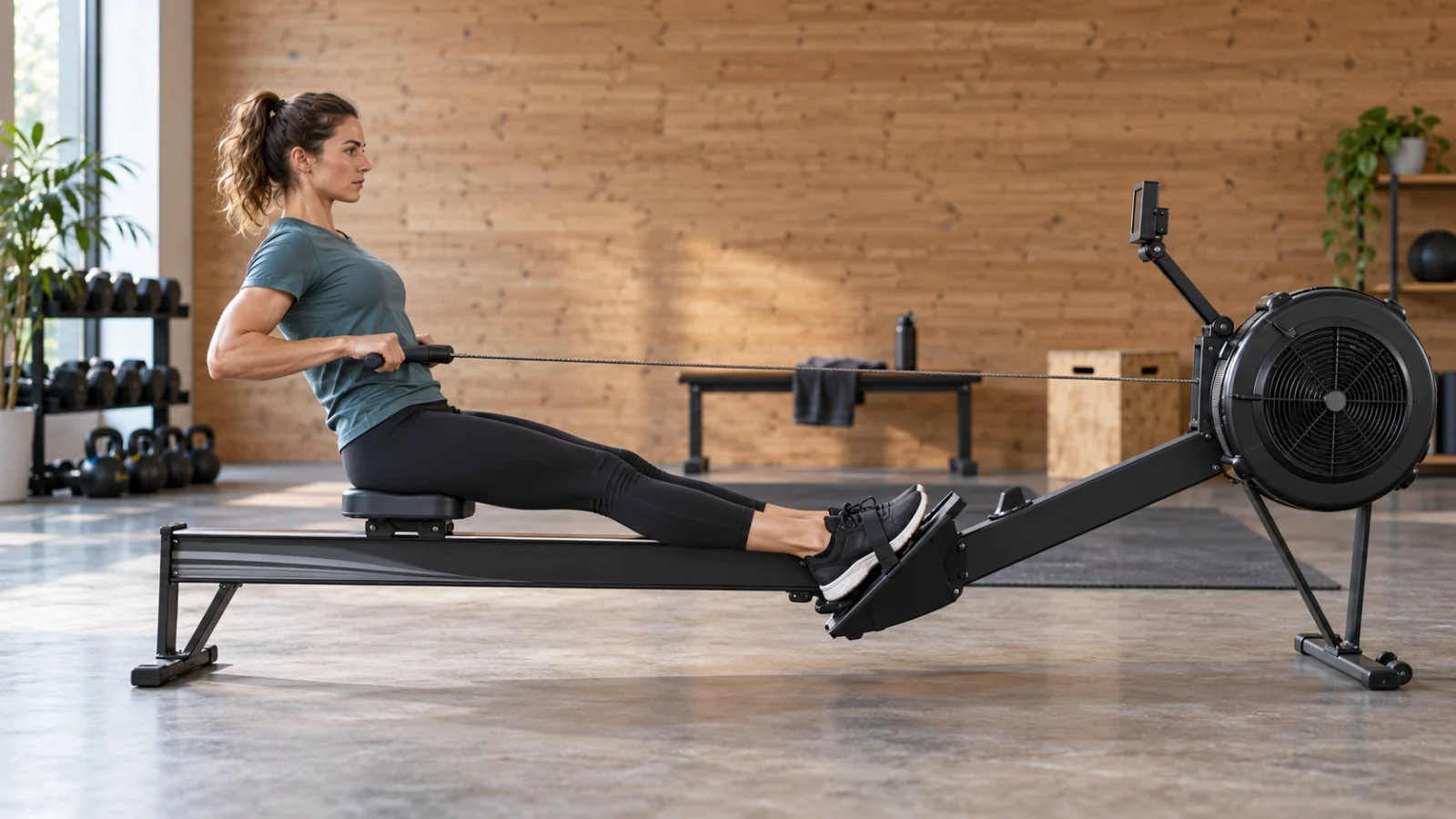 Which rowing machine should you choose for CrossFit and HYROX at home?