
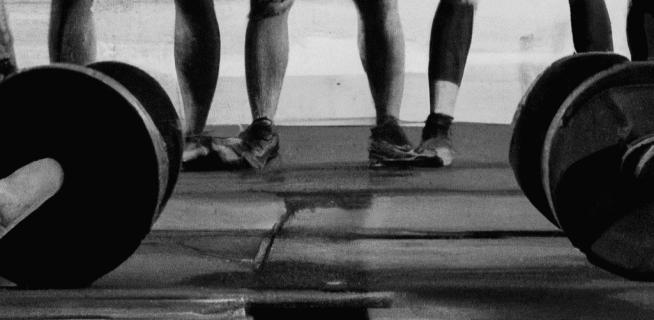
Is CrossFit a good fit for you?
CrossFit combines different movements and training formats, often in coached group classes. That can appeal if you enjoy variety, want help learning skills or prefer a scheduled session to deciding every workout yourself.
The useful question is whether the actual gym and class suit your preferences, goals and routine. A name alone cannot guarantee a welcoming atmosphere, individual attention or a particular result.
Variety within a programme
Classes can include lifting, bodyweight skills and conditioning. This exposes you to different tasks and may make training interesting. Useful variety still needs purpose: learning a movement requires practice, not a different unfamiliar challenge every day.
If you prefer a narrowly specialised plan, ask how the gym's programme fits that goal. General training does not replace every sport-specific session.
Coaching and learning
A coached class can provide explanations, feedback and a progression for skills you have not tried. Observe how the coach teaches and adjusts the task to individuals rather than assuming that all classes offer the same experience.
For your first sessions, learn what the movements should look like and ask how to scale them. The beginner guide explains practical starting points.
Training alongside other people
A regular group can offer encouragement and a familiar appointment in your week. Some people enjoy shared scores and friendly competition; others prefer to follow their own progress. Both are reasonable preferences to discuss when visiting.
Look for an environment in which asking questions and choosing a suitable variation are normal. Competition entry and social events can remain optional.
Adapt the task to your starting point
Movements, repetitions, load and duration can be changed. That flexibility can make a class accessible to different experience levels, provided the coach has a suitable way to introduce you.
Scaling is a planned choice, not something to postpone until you can no longer complete the prescribed work. Read our scaling guide and explain your experience before class.
Make room for achievable goals
You might want consistent attendance, a more confident squat or a first controlled pulling progression. These are useful goals alongside timed workout results. A session does not have to end with a personal record to contribute to your plan.
No training label guarantees a specific body composition, fitness gain or injury-free experience. Consider whether you enjoy the activity and can sustain it alongside the rest of your life.
Check the practical fit
Compare the timetable, journey, fees, membership terms and introductory process. Visit the gym, meet the coaches and ask which class you should book first.
Use our five-point gym checklist and class-type guide to turn a general interest into a concrete decision.
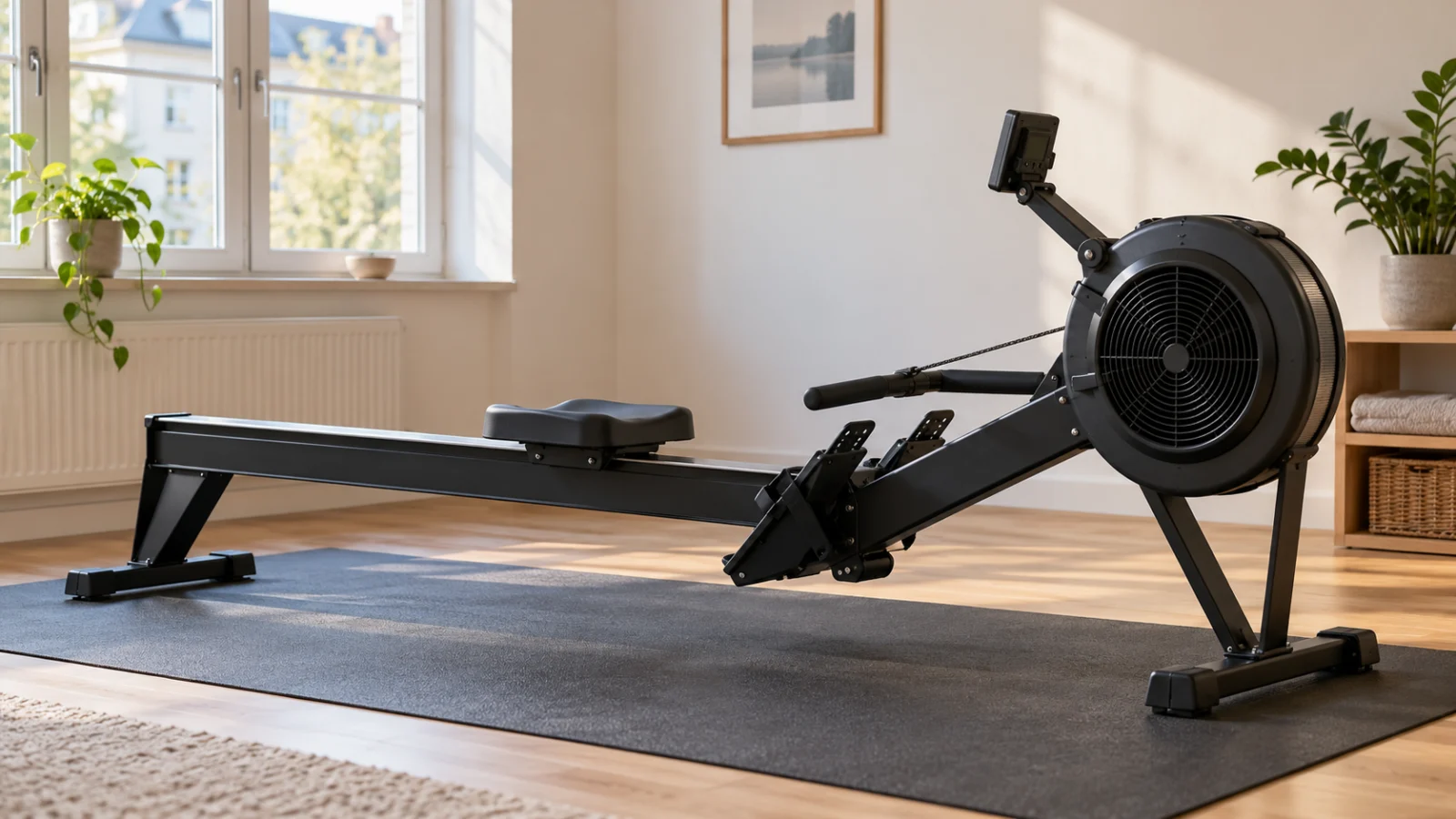 A rowing machine at home: space, noise and budget to plan for
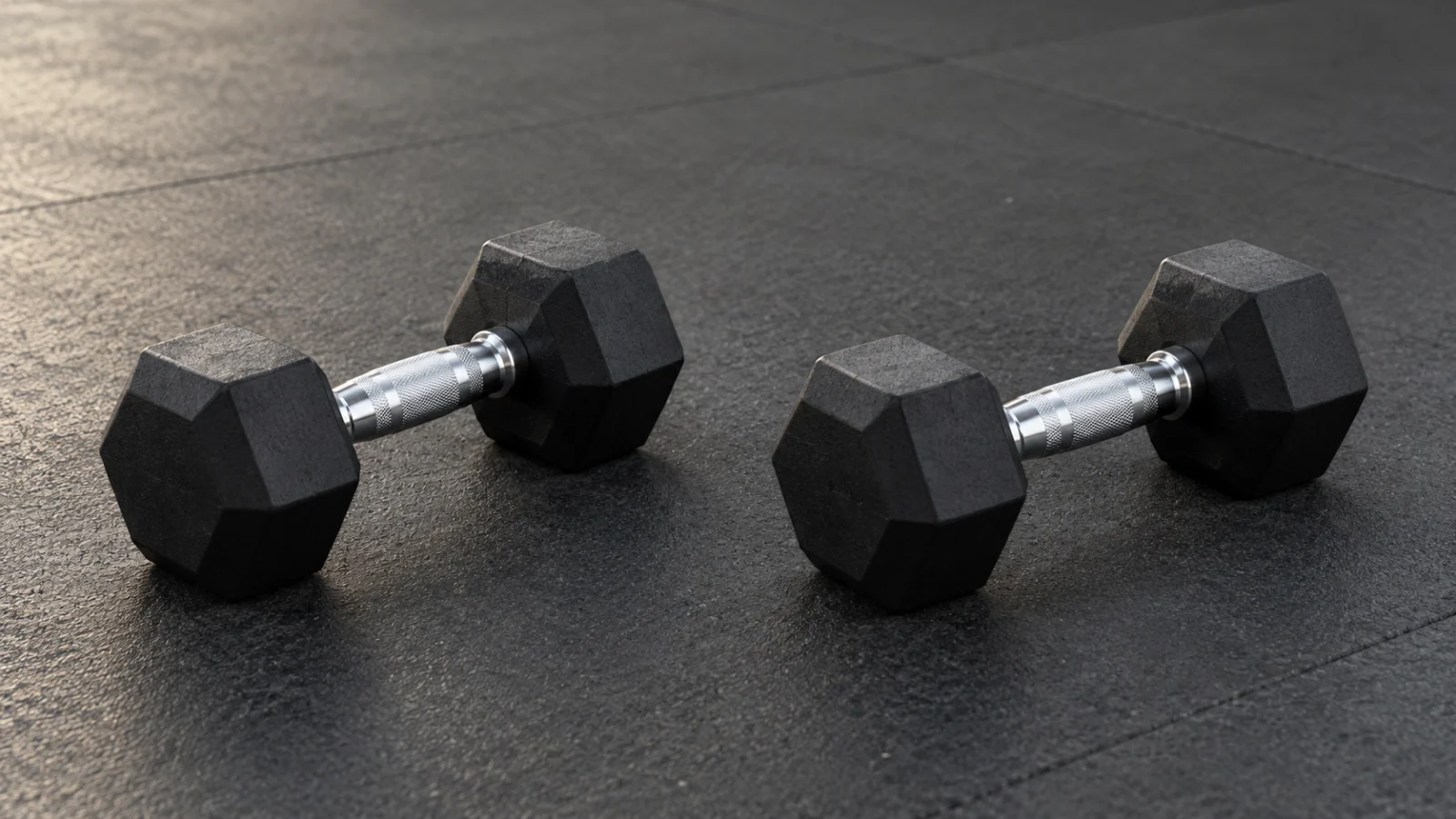 Adjustable or fixed dumbbells: which should you choose for home?
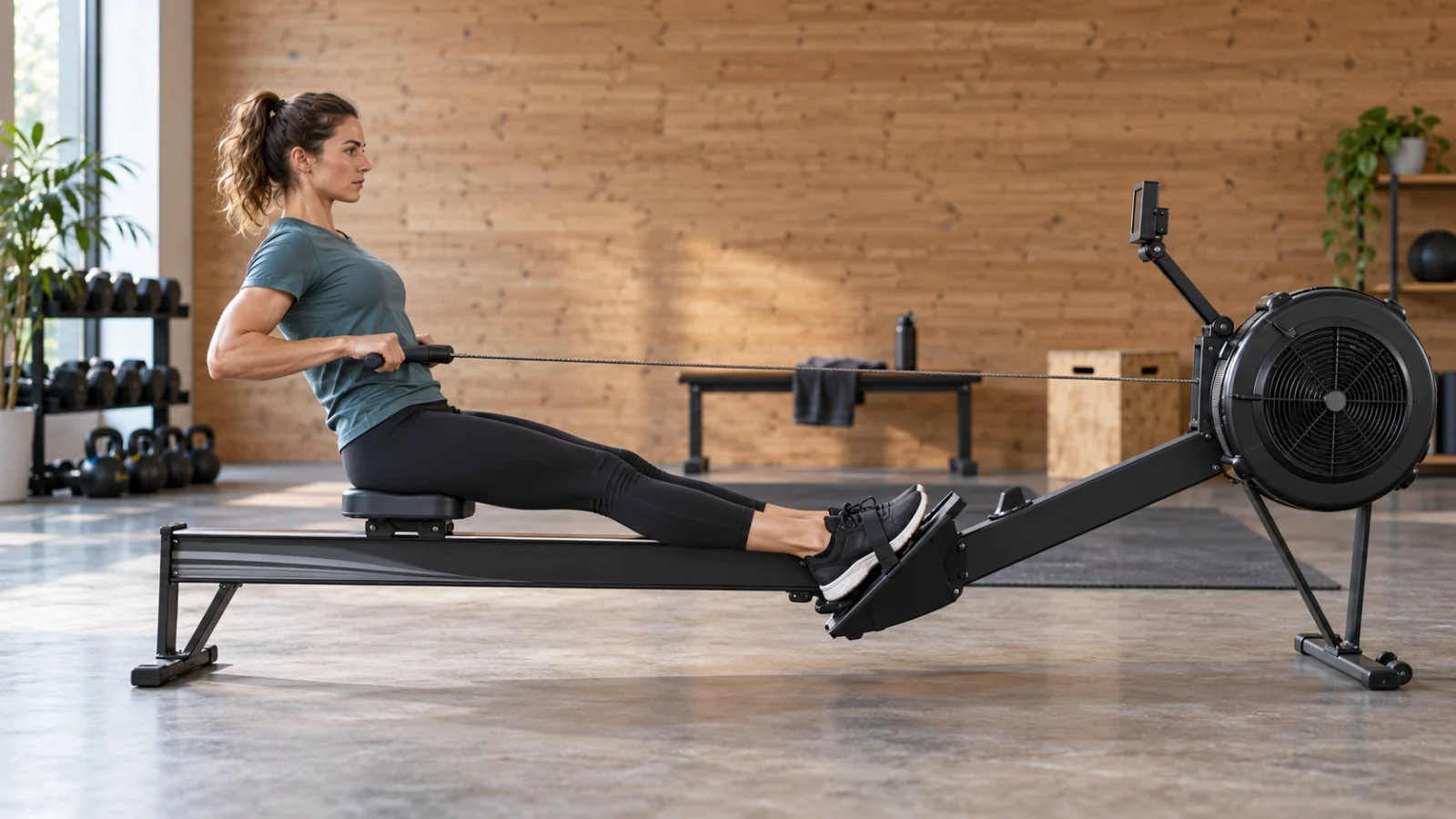 Which rowing machine should you choose for CrossFit and HYROX at home?