

Keep football at the centre of the plan
Football combines technical actions, tactical decisions and physical effort. A general gym session can contribute a separate training task, but it does not teach positioning, passing or decision-making under match conditions.
This article refers to association football, also called soccer. Decide with your coaches what you want additional gym work to contribute rather than assuming a mixed circuit reproduces a match.
Choose strength work deliberately
Squats, deadlifts and other exercises may be included in a physical preparation programme. Their usefulness depends on the objective, progression and your current ability to perform them.
Begin with controlled practice and suitable loading. An advanced Olympic lift is not a compulsory choice for every player. The weightlifting hub explains the main movements and supporting technique work.
Conditioning is more than a hard circuit
A football match includes efforts of varying duration, changes of direction and pauses. A gym interval is a controlled task with its own work and recovery. It can be demanding without being a complete match simulation.
Agree the intended pace and workload. A rowing sprint, burpee set and football drill place different demands on you, so do not assume that equal duration makes them interchangeable.
Coordinate the weekly workload
Mark team training and fixtures in the calendar first. Account for other gym work already prescribed by the club. Adding a separate class without discussing the whole programme can duplicate work you are already doing.
Review demanding leg sessions near key practices or matches. If priorities conflict, adjust the additional session's content, volume or timing rather than expecting to complete every task at maximum intensity.
Concentration and physical preparation
Following a workout plan under fatigue can practise pacing and attention to movement. It does not automatically transfer to tactical choices or pressure during a match. Continue developing those skills through football coaching.
Likewise, a general class should not be presented as a rehabilitation programme or a guarantee against injuries. A return to training after an injury needs an individual plan rather than an improvised WOD.
Review the result
Track the extra sessions alongside football attendance and the quality of your priority work. The goal is a useful contribution to the programme, not merely a more exhausted finish.
Our routine planning guide explains how to organise additional training. Use the scaling guide to discuss adaptations and the complementary sports article to consider alternatives.
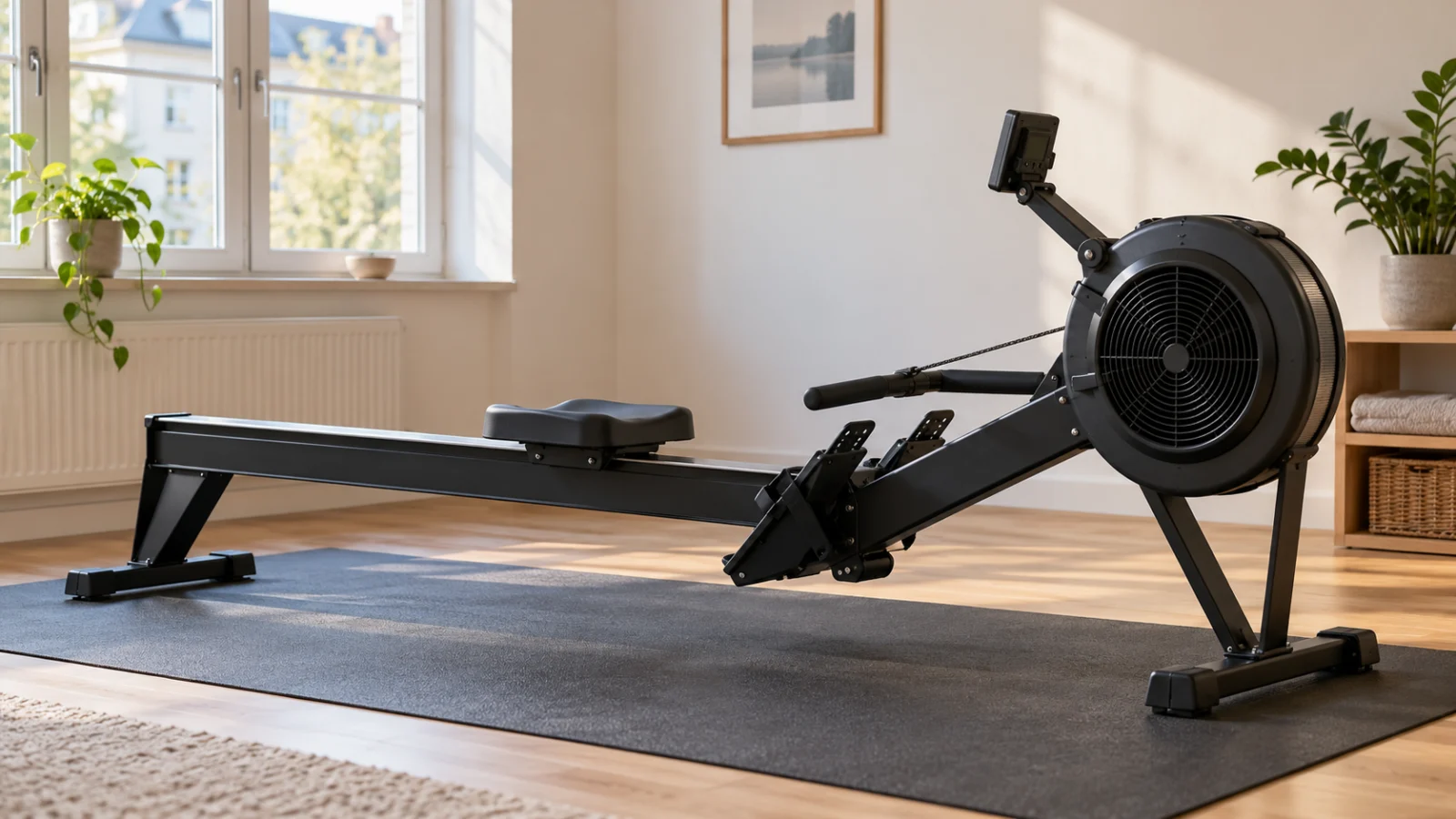 A rowing machine at home: space, noise and budget to plan for
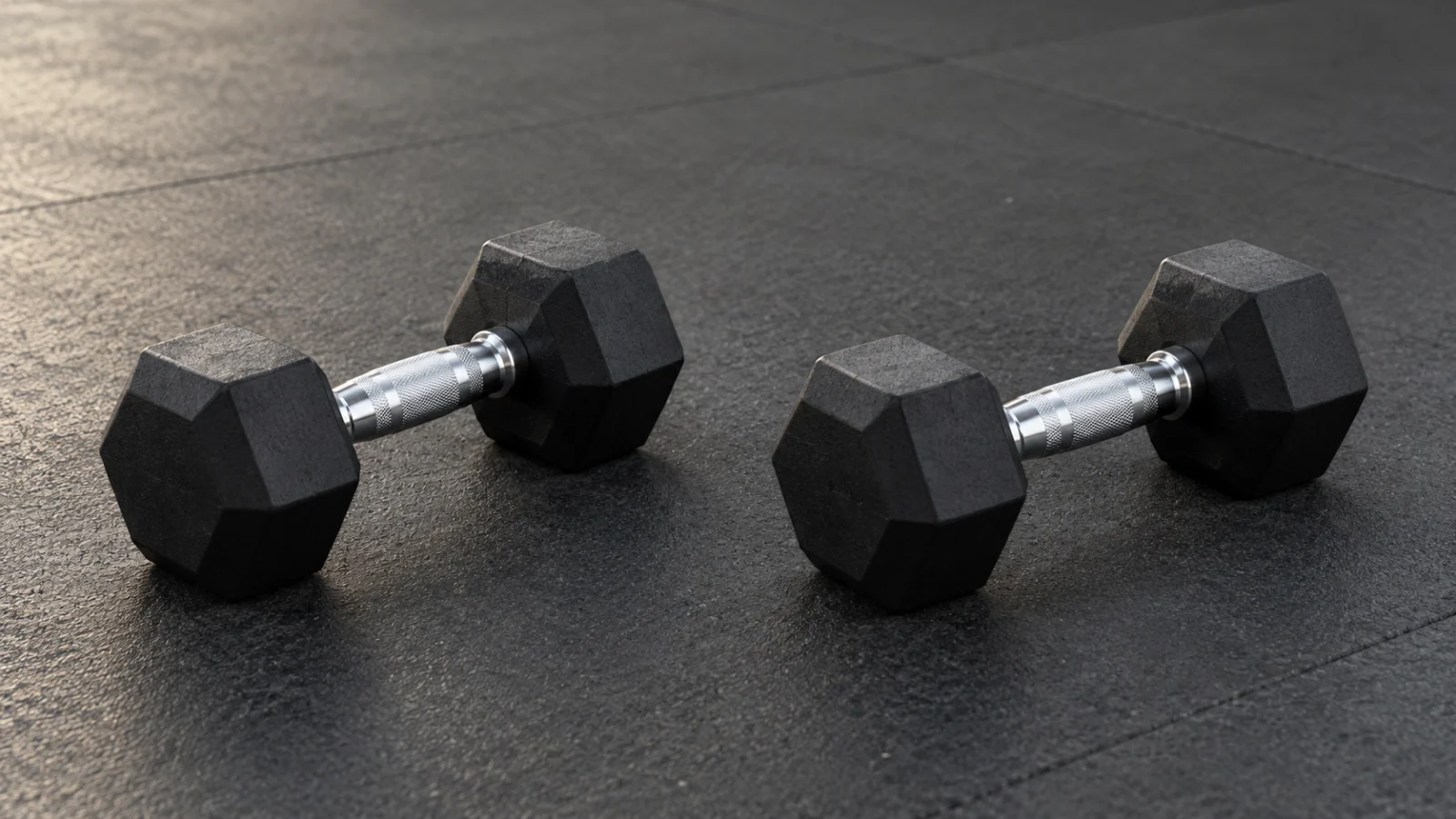 Adjustable or fixed dumbbells: which should you choose for home?
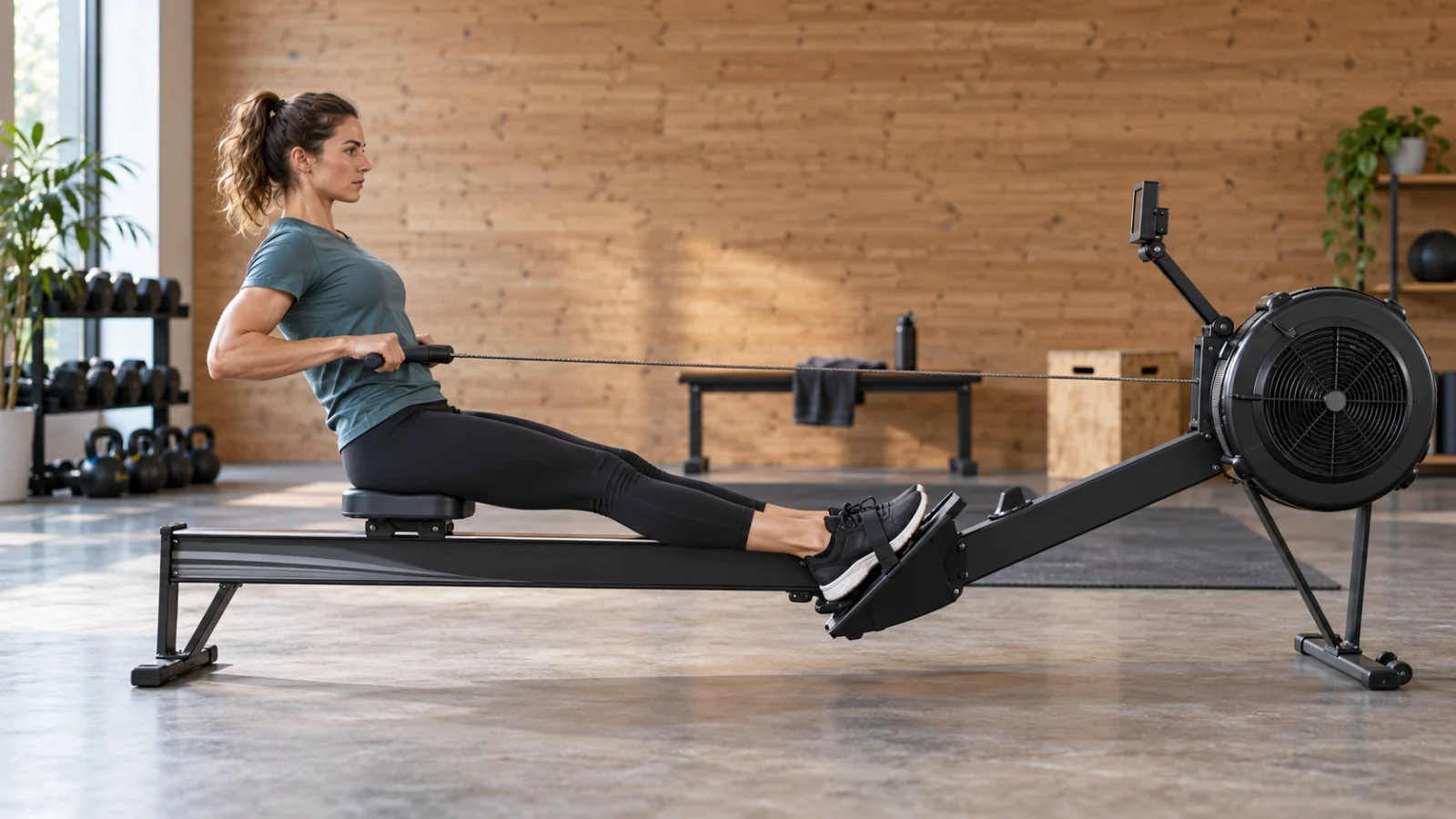 Which rowing machine should you choose for CrossFit and HYROX at home?