
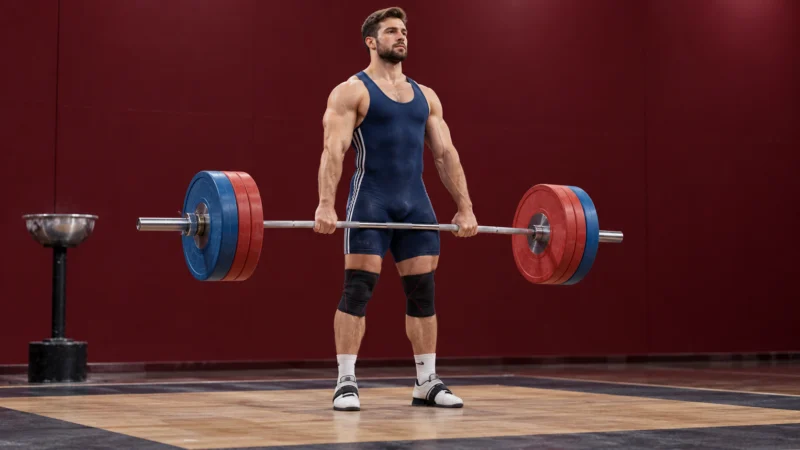
What does rep max mean?
A repetition maximum, or RM, is the heaviest load you can lift for a specified number of repetitions of a particular exercise under an agreed standard. A 1RM is a single repetition; a 5RM is five consecutive repetitions. Record the movement and the repetition count alongside the weight.
For example, a successful 150 kg deadlift single can be your heaviest recorded single. Calling it a tested 1RM means it was assessed as a maximum, rather than simply being the heaviest weight you happened to lift that day. You do not have to fail another attempt to make a useful training record.
Why use an RM in training?
Some programmes prescribe a percentage of a reference maximum. If your reference is 100 kg, 70{9e0c687fb00ed53a837e10cf9b5fb4132a20cacbb2b3d1bc8caf74d397cbf09c} is 70 kg. This is straightforward arithmetic, but the programme must still specify repetitions, sets, recovery and the intended effort.
The same percentage does not feel identical across every exercise or athlete. A reference from several years ago may also be less useful than a recent controlled training result. Discuss the intended load with your coach rather than following a number regardless of how you are moving.
Test a maximum with a plan
Choose the exercise and standard first. Warm up, increase the load progressively and allow adequate recovery between heavier attempts. Agree a stopping point and the setup for an unsuccessful lift with your coach. Squats and bench presses require appropriate rack arrangements, safeties or competent spotting; Olympic lifts need suitable space and instruction for releasing the bar.
A beginner does not need to test a true maximum to begin training. Learning the movement at manageable loads can provide a better starting point. Read the weightlifting technique guide before adding a maximum-effort objective.
Estimated 1RM versus tested 1RM
A calculator can estimate a single-repetition maximum from a multi-repetition set. The result is an estimate, not proof that you can complete that lift. The formula, exercise, set length and effort all influence its usefulness.
Label an estimate clearly and keep the original set in your log. A recorded set of eight repetitions with a given weight is useful evidence even when you do not convert it into another number.
Use the right reference for the movement
A back-squat maximum is not a front-squat maximum. A power clean and squat clean also describe different tasks. Keep exercise variations separate, including range, equipment and any relevant technique standard.
For bodyweight movements, distinguish maximum repetition count from maximum added load. These answer different questions and should not share an ambiguous RM label.
Track progress beyond the heaviest lift
More consistent repetitions, the same load with better control or completing planned sets can all show progress. Compare like with like and avoid treating every session as a maximum test. See the personal-record guide for tracking results and the scaling guide for adapting a workout's prescribed load.
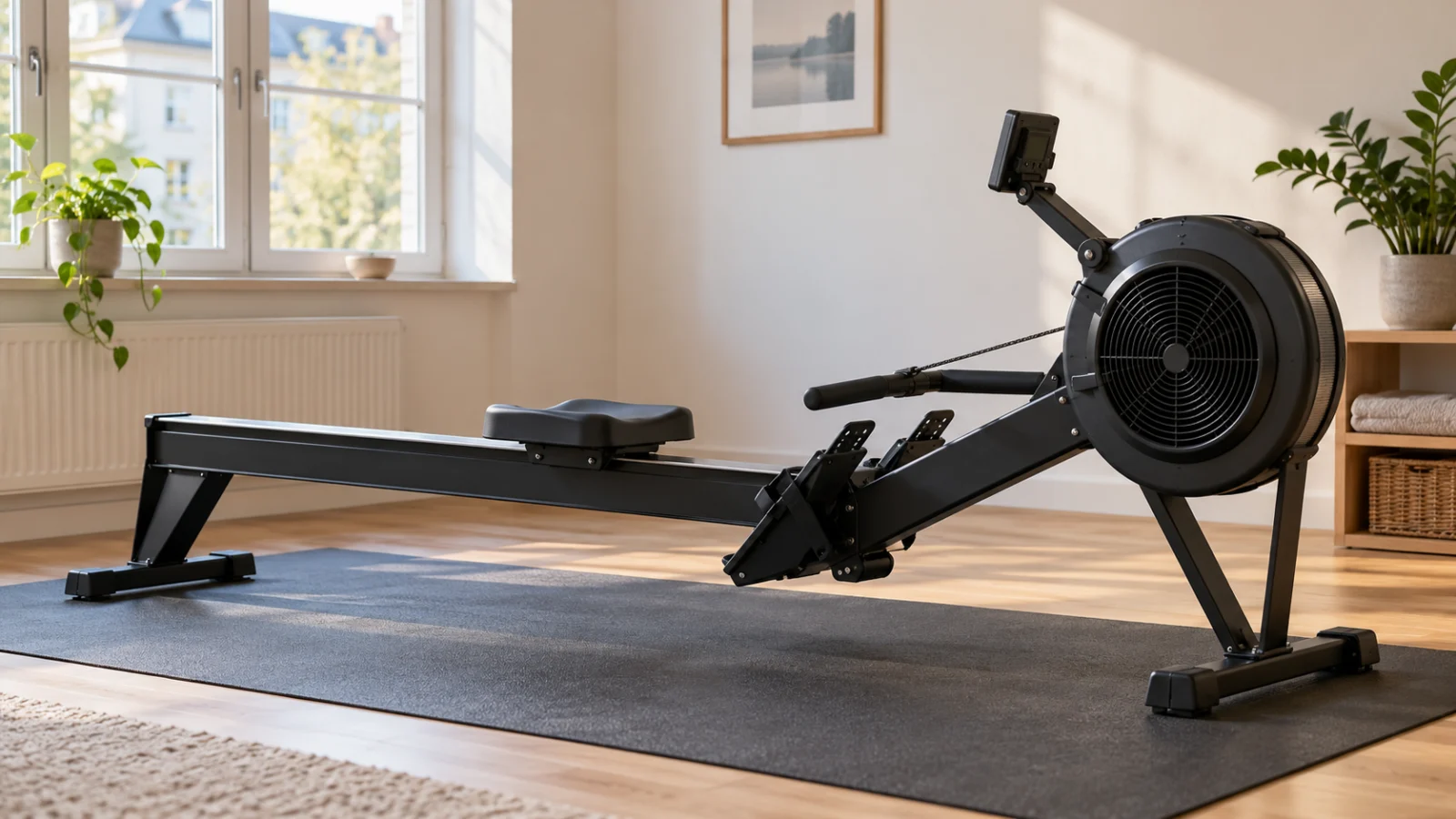 A rowing machine at home: space, noise and budget to plan for
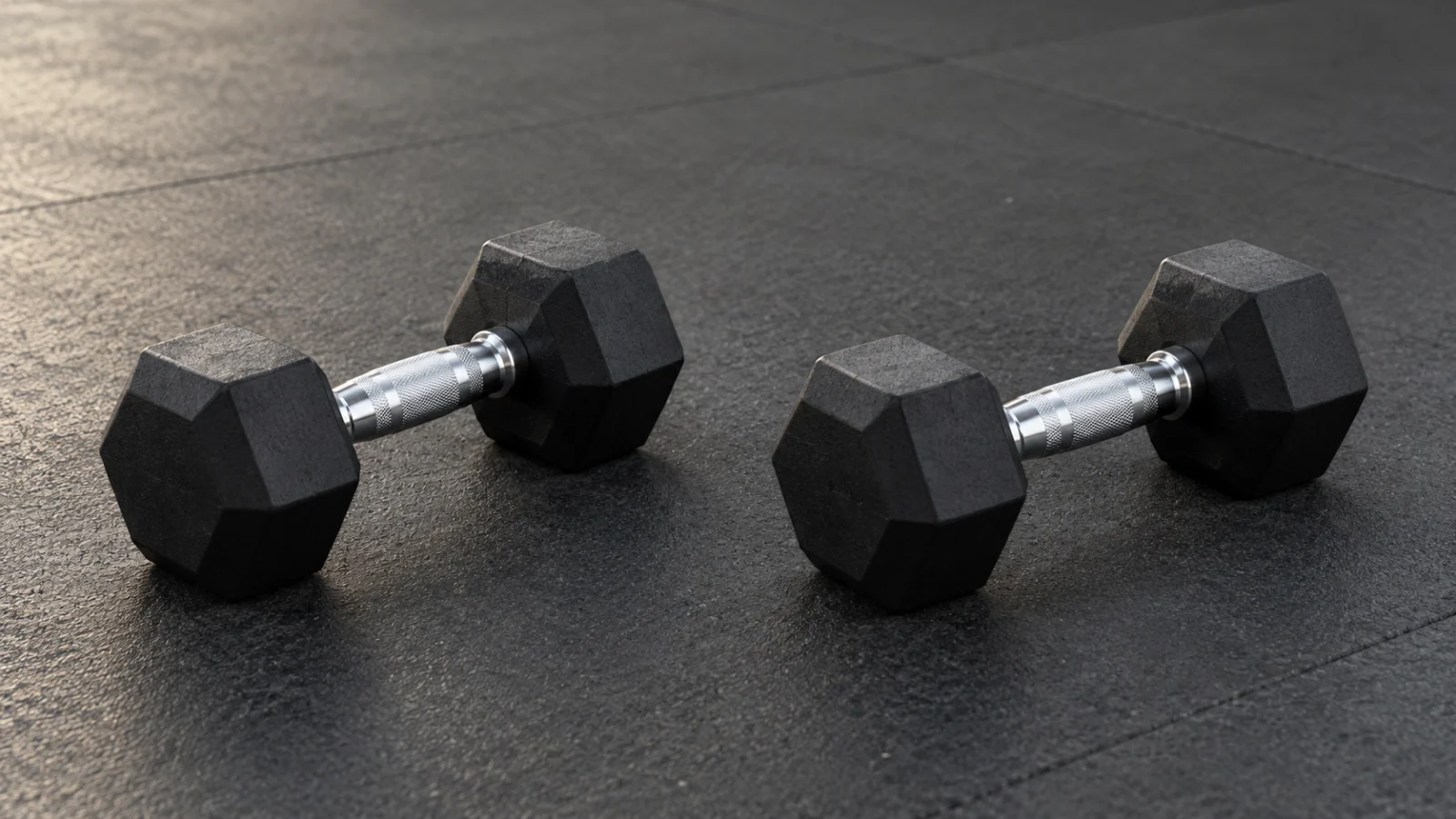 Adjustable or fixed dumbbells: which should you choose for home?
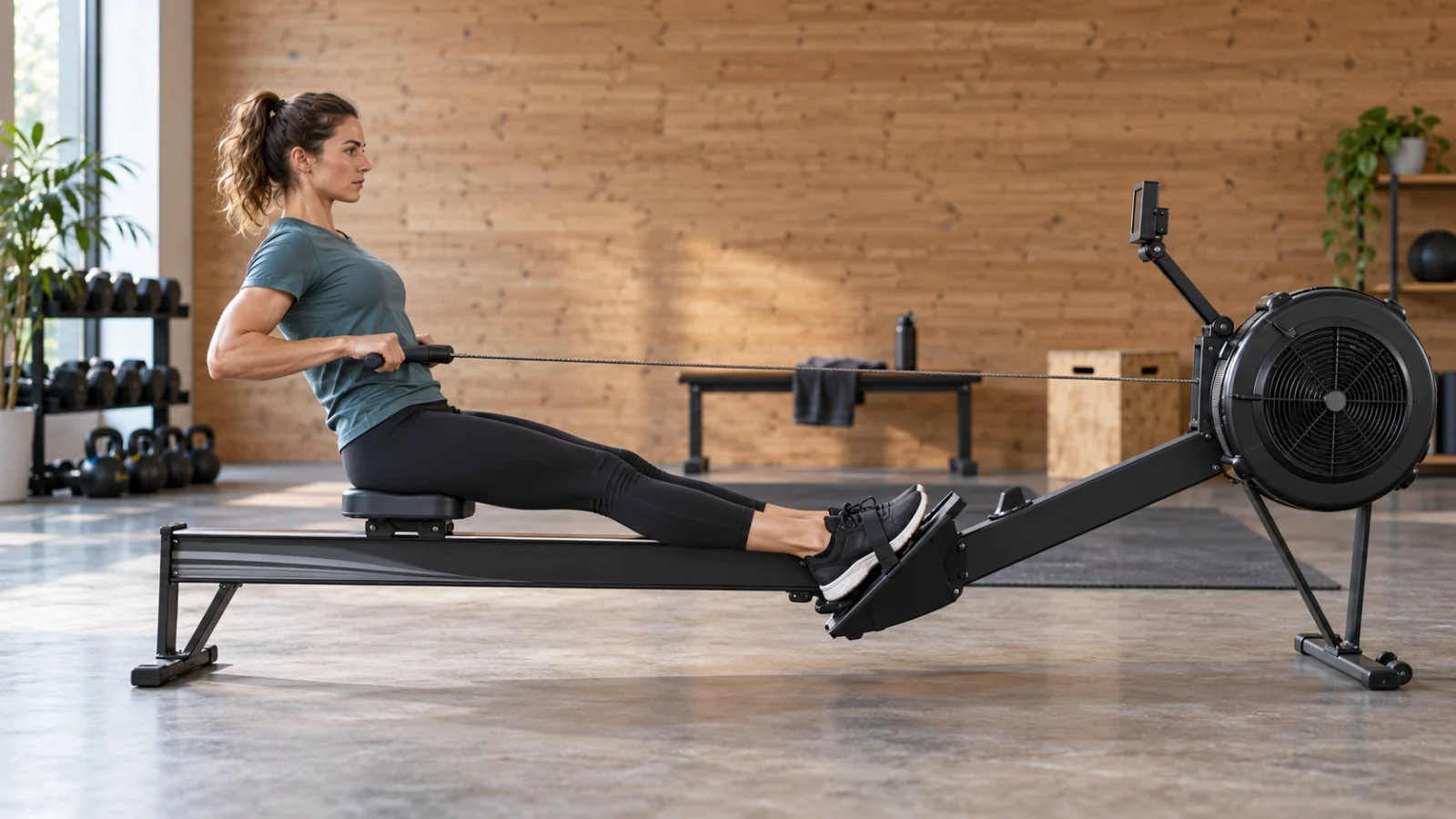 Which rowing machine should you choose for CrossFit and HYROX at home?