
What does cardio describe?
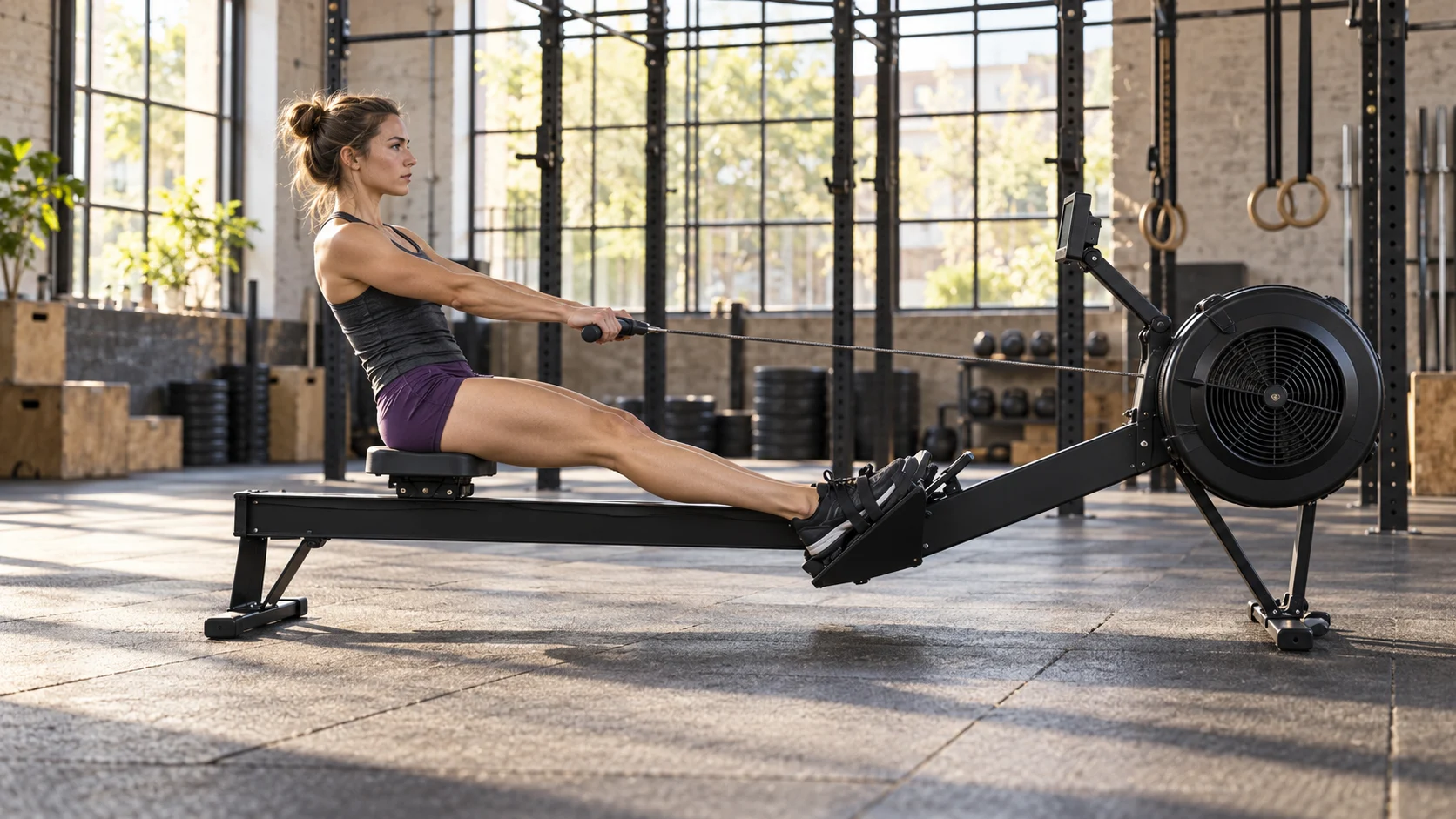
Cardiovascular or cardiorespiratory training concerns your capacity to sustain physical work through the coordinated action of circulation, breathing and working muscles. Running, swimming, cycling, rowing and skipping can all provide conditioning tasks.
The exercise name alone does not define the session. An easy continuous run and short hard running intervals organise work and recovery differently. Specify duration, pace and recovery when discussing the objective.
What is muscular endurance?
Muscular endurance describes the ability to repeat a muscular action or maintain a contraction for a period. Push-up sets, repeated squats and a plank can be examples, depending on the load and task.
It differs from maximum strength, which concerns producing high force for a particular action. A heavier single and many repetitions with a lighter load are different tests. See our rep-max guide for that distinction.
The two demands overlap
A rowing interval involves both cardiorespiratory work and repeated muscular actions. A large squat set can also raise breathing demand. It is misleading to divide every exercise into either a heart-and-lungs task or a muscle-only task.
When a session becomes difficult, ask what actually limited you. Local fatigue, movement skill, pacing and the selected load can all affect the result. One hard workout is not enough to diagnose a single weakness.
Compare the tasks you can measure
| Example task | Useful detail to record |
|---|---|
| Steady run | Route, duration and pace |
| Repeated push-ups | Variation, repetitions and rest |
| Plank hold | Position and duration |
| Rowing intervals | Distance, split pace and recovery |
Keep conditions consistent when comparing attempts. A different movement range or rest period changes what the score represents.
Choose according to the goal
If you want to improve a running task, include progressive running practice. If repeated push-ups are the target, choose an appropriate pushing progression. A mixed circuit can combine demands, but it does not automatically address every objective equally.
Read the rowing guide and SkiErg guide for examples of movement-specific practice.
Plan both without making every day hard
Consider the whole week, including strength work and other activities. Choose manageable workloads and review the quality of the intended sessions before adding more.
The routine planning article and workout-format guide can help you organise the tasks and understand their scores.
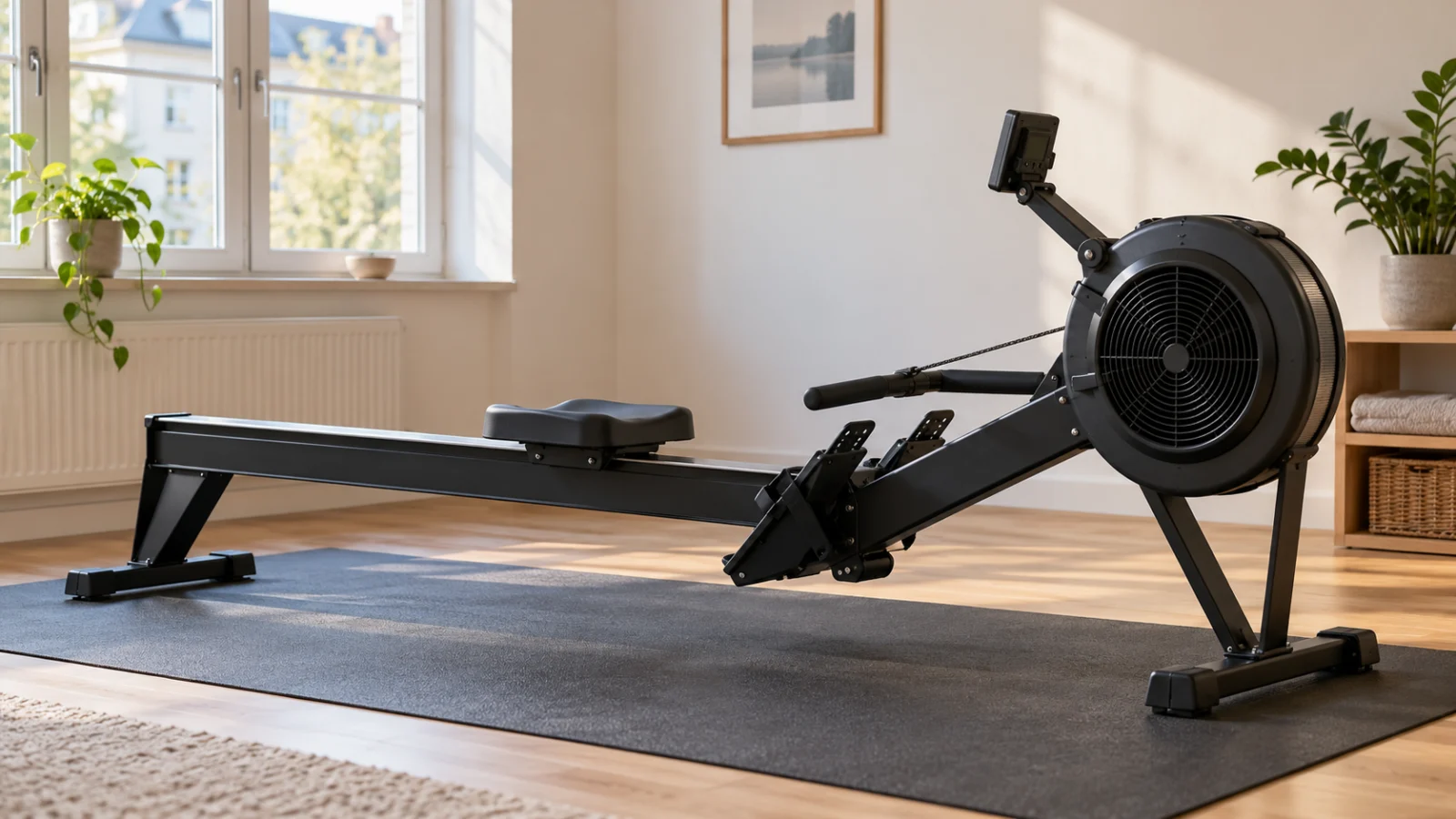 A rowing machine at home: space, noise and budget to plan for
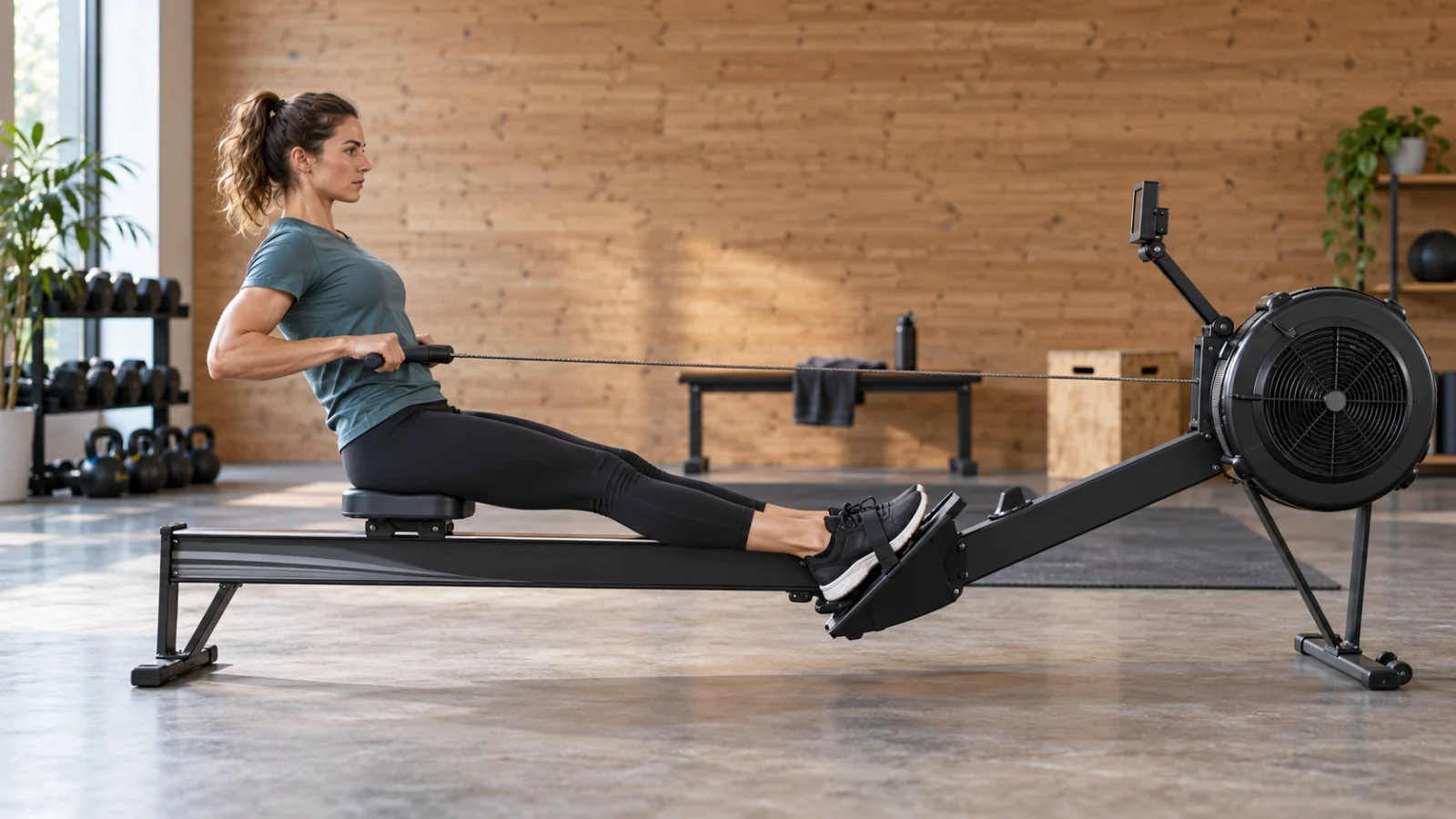 Which rowing machine should you choose for CrossFit and HYROX at home?
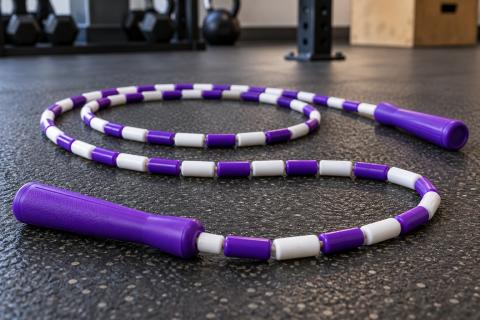 Beaded jump ropes: what they are and why to use one