

Build the foundations before chasing performance
Learning weightlifting means coordinating a pull, movement under the bar and a stable reception. Completing one repetition does not yet demonstrate that you can repeat it consistently. Start by understanding the phases and practising with clear reference points.
Choose a starting point
The snatch moves the bar overhead in one continuous lift. The clean & jerk separates bringing the bar to the shoulders from the overhead phase. There is no universal learning order: your existing positions, experience and programme guide the choice.
A technique bar or light load lets you observe positioning without treating kilograms as the only criterion. Have a coach check the start and reception, then the connection between them.
Break down the lift without losing the whole movement
Variations target different tasks. A hang start changes the beginning; a tall snatch addresses a different phase from a pull off the floor. Select a variation to explore one difficulty rather than accumulating unrelated drills.
Observe difficulties usefully
A bar moving away, a shift in balance or an unstable reception is an observation, not a complete diagnosis. Identify when the difficulty appears. One cue at a time makes repetitions easier to compare. If the position itself is difficult, explore mobility and positions.
Recognise progress
A more stable reception, a consistent bar path and repeatable quality at the same load can all indicate progress. Record the movement, load and focus. Increasing weight belongs within the programme; it is not the only sign of success.
 Tall snatch: practise the turnover and movement under the bar
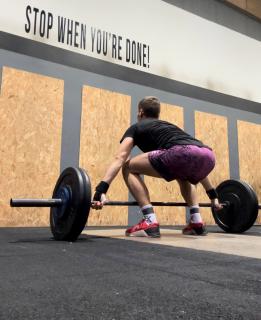 Snatch bar path: observe balance, closeness and timing
 Barbell alignment: understand balance and position in your lifts