

General preparation and tennis skills
Tennis involves hitting, moving into position and responding to an opponent. A gym session can provide a separate setting for strength and conditioning practice, but it does not reproduce the whole game. Better lifting numbers do not automatically mean a more effective serve or more accurate groundstrokes.
Begin by identifying what you want the additional training to contribute. Keep technical tennis practice and coaching in the plan rather than replacing court time with increasingly demanding circuits.
Choose strength work for a purpose
Squats, deadlifts and suitable trunk exercises are examples of tasks that may appear in a gym programme. The exercise, load and progression should reflect your experience and the rest of your training.
If you are learning a lift, practise it with enough time for feedback. A complex movement does not become necessary simply because tennis includes explosive actions. Read our lifting technique guide for the starting principles.
Account for repeated efforts
Tennis alternates rallies and pauses, but their duration and demands vary. A fixed gym interval can train a defined task without being a perfect simulation of a match. Choose the work and recovery according to the objective rather than matching a superficial resemblance.
Track how the session affects your next court practice. Being able to finish a hard WOD is less relevant if its placement repeatedly prevents you from completing your priority tennis work as intended.
Movement range and control
Discuss positions or movements you find difficult with your coach. Controlled preparation for the chosen exercises can be useful, but a general mobility session is not an automatic solution for every limitation in a tennis stroke.
Avoid treating gym training as a guaranteed injury-prevention or rehabilitation plan. If a movement needs individual assessment, a generic mixed workout cannot provide it.
Keep concentration specific
A challenging session gives you opportunities to follow a plan, count accurately and manage pace. Those are useful training habits. They do not establish that gym fatigue practice alone will resolve pressure in a close match.
Continue practising your on-court routines and decisions with the tennis coach. Give each part of preparation a clear role.
Build a workable week
Place matches and important court sessions first, then discuss the amount and timing of gym work. Be especially attentive when introducing unfamiliar exercises or substantially increasing volume.
Use our routine planning guide and scaling guide to organise the combination. Compare progress against your actual objective, not just the difficulty of the extra session.
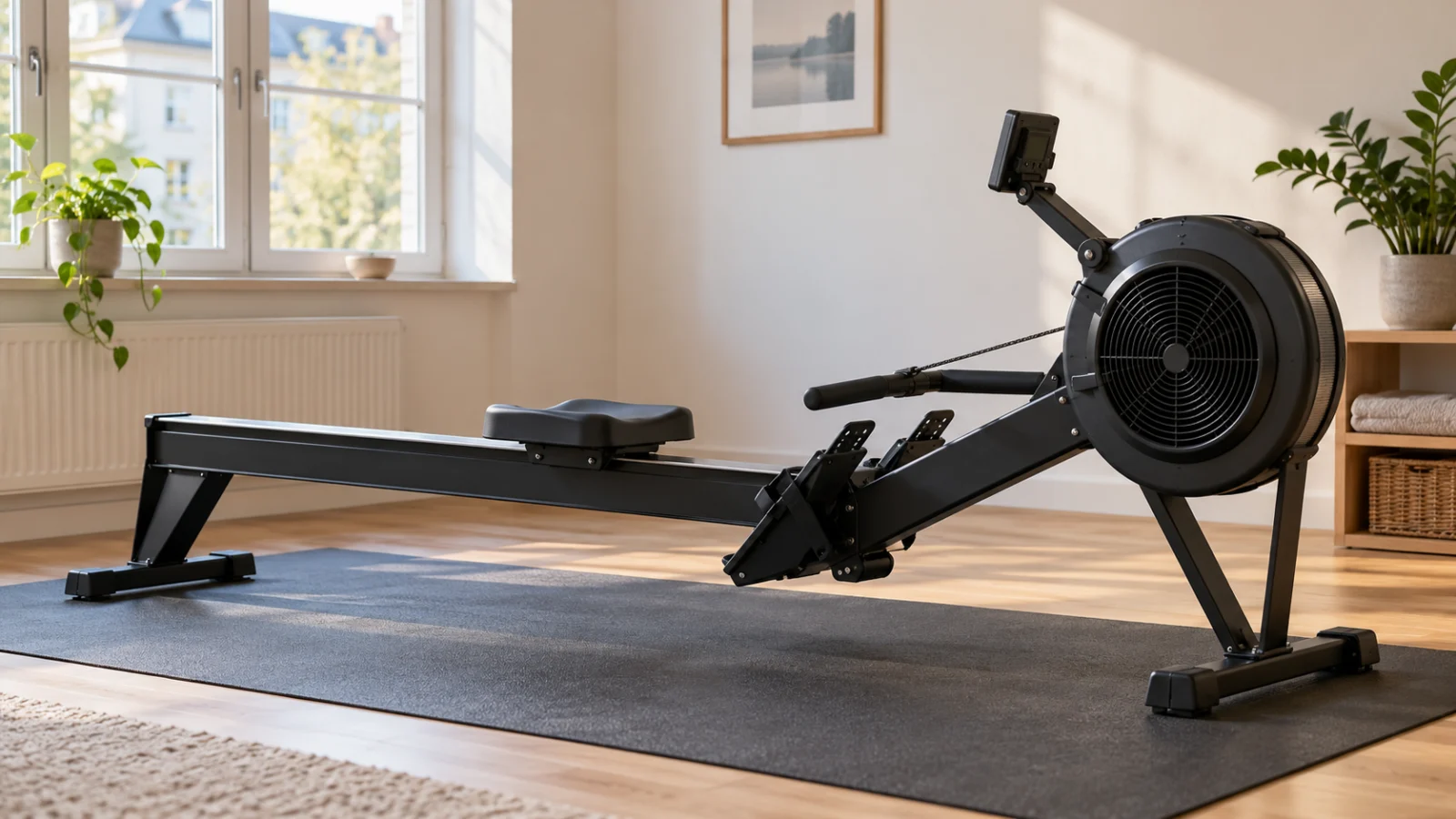 A rowing machine at home: space, noise and budget to plan for
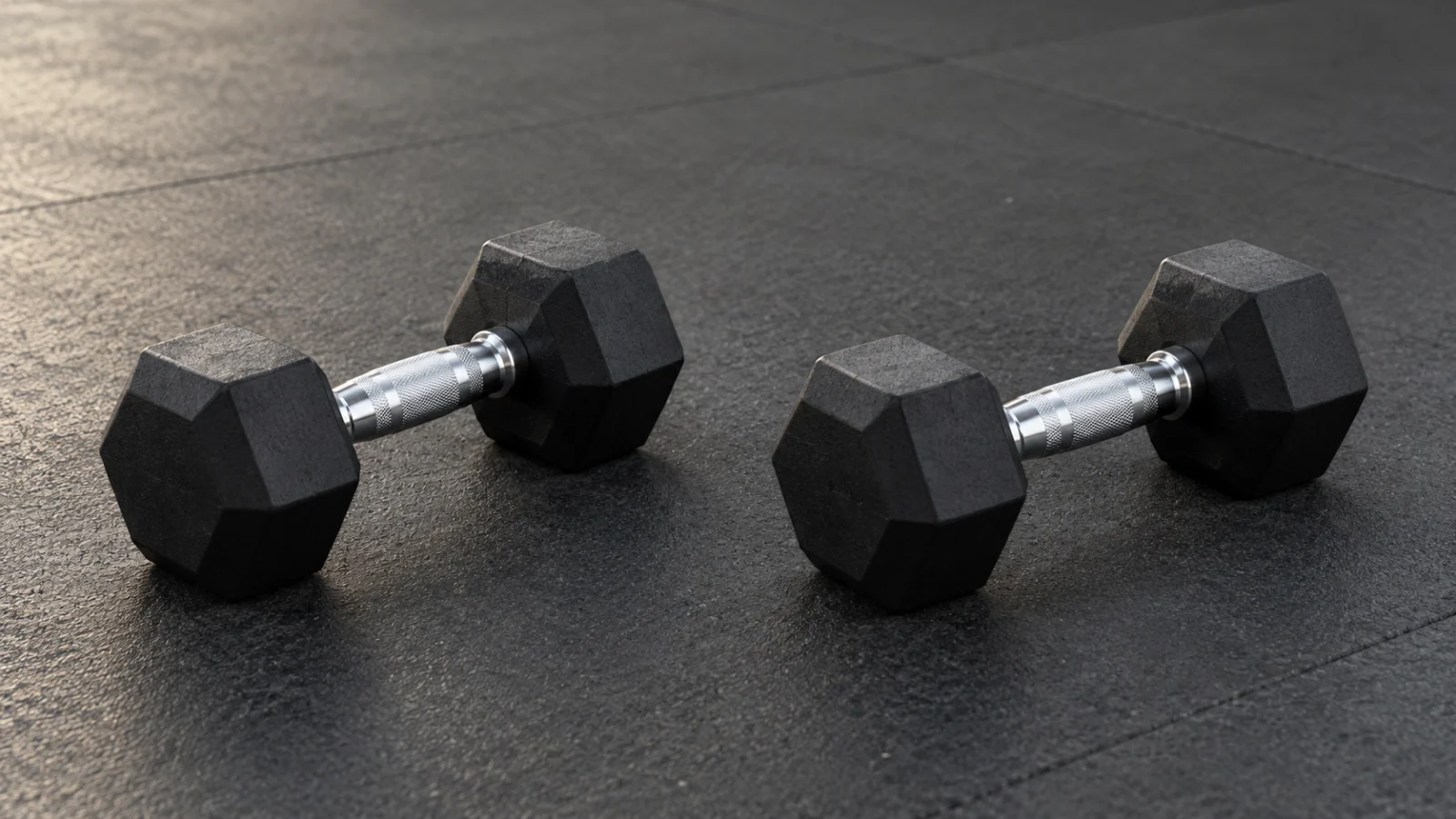 Adjustable or fixed dumbbells: which should you choose for home?
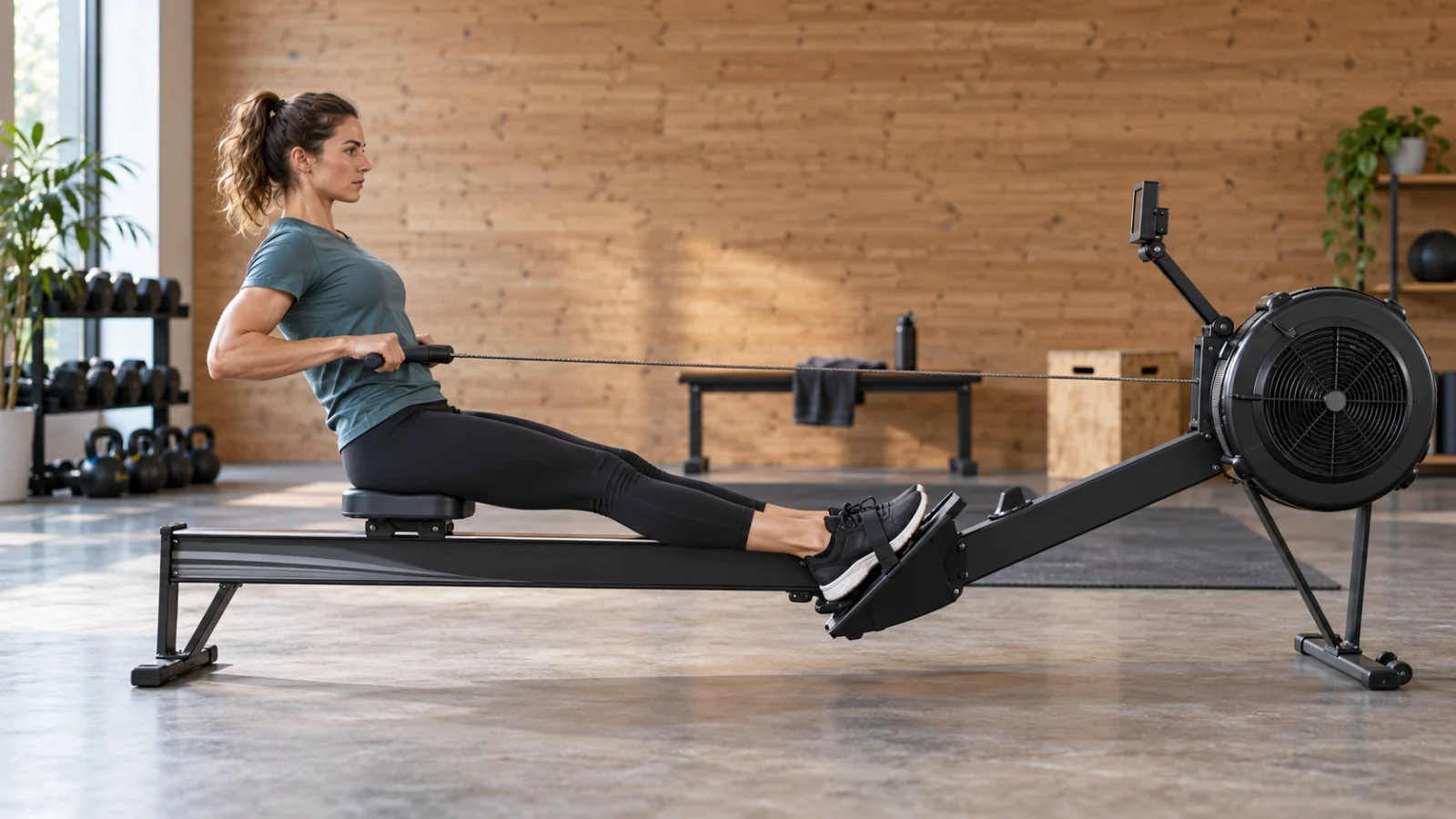 Which rowing machine should you choose for CrossFit and HYROX at home?