
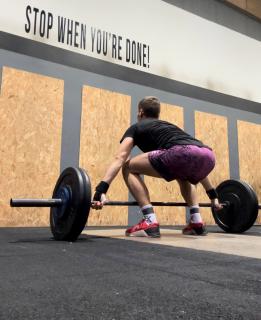
A useful path is more than a drawing
The bar’s motion reflects its relationship with the athlete throughout the lift. Keeping it close and controlling unnecessary displacement are useful aims. That does not require every snatch to trace one perfectly straight vertical line.
A side-view trace is an observation, not a complete explanation. Consider the athlete’s balance, positions and timing alongside the bar’s movement.
Start with the setup
Before focusing on the final loop overhead, examine the floor start and the first part of the pull. A position that sends the bar away early can affect the rest of the sequence.
Choose a repeatable stance and grip, establish the intended pulling position and use a load you can observe. Check the setup with a coach rather than forcing a universal hip height.
Keep the transition connected
The body and bar must remain organised as the bar passes the knees and the lift accelerates. Excessive horizontal displacement or a poorly timed arm action can make the bar harder to meet in the reception.
The aim is not to hit the bar farther forward or simply pull with the arms as hard as possible. Review where separation begins before selecting a cue.
Use video consistently
A clear side view can help compare repetitions, especially when the feet, bar and entire body remain visible. Use a similar camera angle and distance for retests.
A trace from an oblique camera can distort the apparent path. Do not diagnose a technical fault from one line or compare two differently filmed lifts as identical views.
Choose a drill for a reason
A paused or slower early pull lets you examine a position. A hang start changes the beginning of the lift. Muscle snatches and tall snatches address different parts of the turnover and movement under.
An overhead squat helps examine receiving positions, but does not reproduce the whole moving lift. Choose one drill, then return to the main task to see whether it helps.
Avoid collecting corrections
Do not add several unrelated drills or try to change every phase at once. A lighter bar, shorter set or selected variation can make an observation more useful.
Record the version, load and point being practised. A successful light drill does not automatically establish consistency in a full or fatigued snatch.
Sources and related guides
The Performance Menu: keeping the bar close · CrossFit: missing the bar forward · Snatch technique
 Tall snatch: practise the turnover and movement under the bar
 Muscle snatch: turnover, overhead finish and technical practice
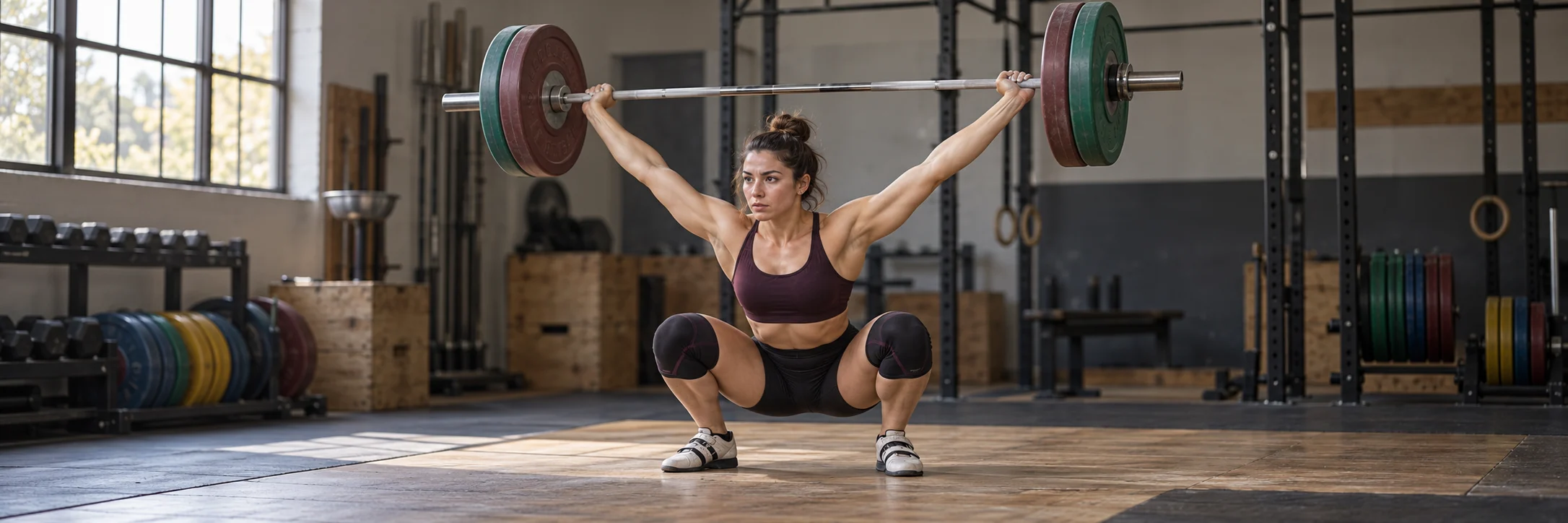 Squat snatch: connect the pull, reception and recovery