

Initial enthusiasm is a starting point
A new gym, unfamiliar movements and the prospect of progress can make your first sessions exciting. That enthusiasm may change as training becomes familiar or other commitments compete for your time. A useful routine does not depend on feeling equally motivated before every class.
Think about what you enjoy and what you want from training. Learning a skill, keeping a regular appointment or spending time with a group can all be worthwhile reasons to attend.
Make the routine practical
Choose sessions that fit your real timetable, including travel and changing time. A plan that works on an ordinary busy week is more useful than one you can follow only when everything goes perfectly.
Prepare your kit in advance and understand the booking process. If attendance repeatedly becomes difficult, review the timing or frequency instead of treating it as a lack of commitment. Our gym selection guide includes the practical questions to consider.
Use variety with a purpose
Different movements and workout formats can keep sessions interesting. At the same time, learning requires repeated practice. You do not need constant novelty to make progress.
Ask the coach how the week's sessions fit together and choose one technical focus. Understanding why you are practising something can make an ordinary training day feel more meaningful than chasing a new challenge every time.
Notice progress beyond a score
Keep a simple record of what you did and any adaptations. A more consistent set, greater confidence with equipment or attending as planned can be useful achievements even when the weight or finish time stays unchanged.
Choose a goal you can describe clearly and review it periodically. Use the personal-record guide to keep comparisons meaningful without expecting a record every session.
Make room for preparation and recovery
Training has to fit alongside sleep, meals, work and other activity. If your routine leaves little room for ordinary recovery, discuss the overall workload rather than relying on extra enthusiasm to get through it.
You do not need specialist recovery products or elaborate rituals to prove that you take training seriously. Begin with practical habits you can maintain and ask for individual advice when the programme needs adjustment.
Use the support available
Tell the coach when a goal feels unclear or a session is discouraging. A suitable variation can help you keep learning. Training partners can offer encouragement, but your attendance and score do not have to match theirs.
If you miss a week, resume with an appropriate session rather than trying to repay every missed workout. Read our five beginner tips for a simple way to refocus on technique, manageable effort and consistency.
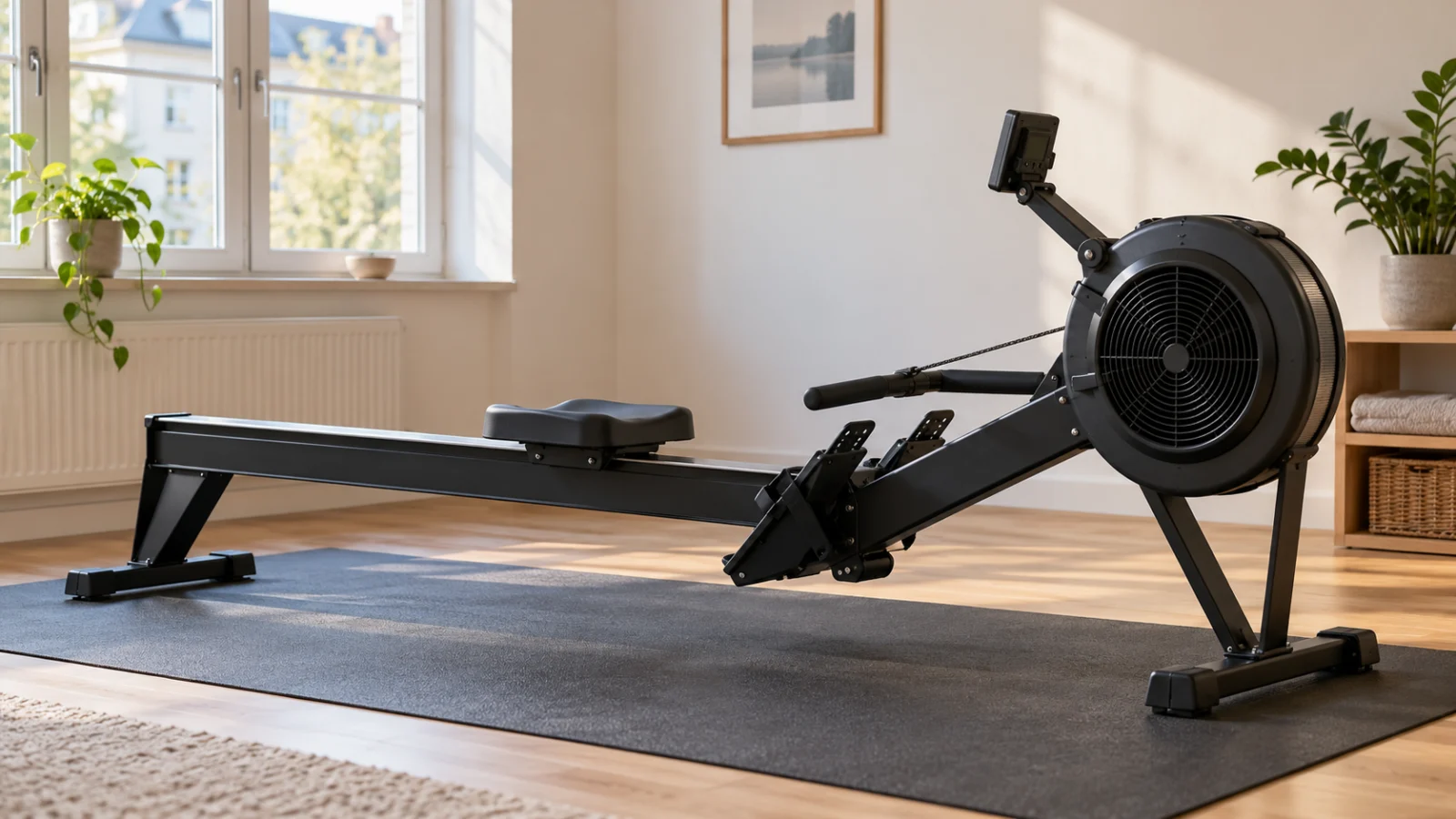 A rowing machine at home: space, noise and budget to plan for
 Adjustable or fixed dumbbells: which should you choose for home?
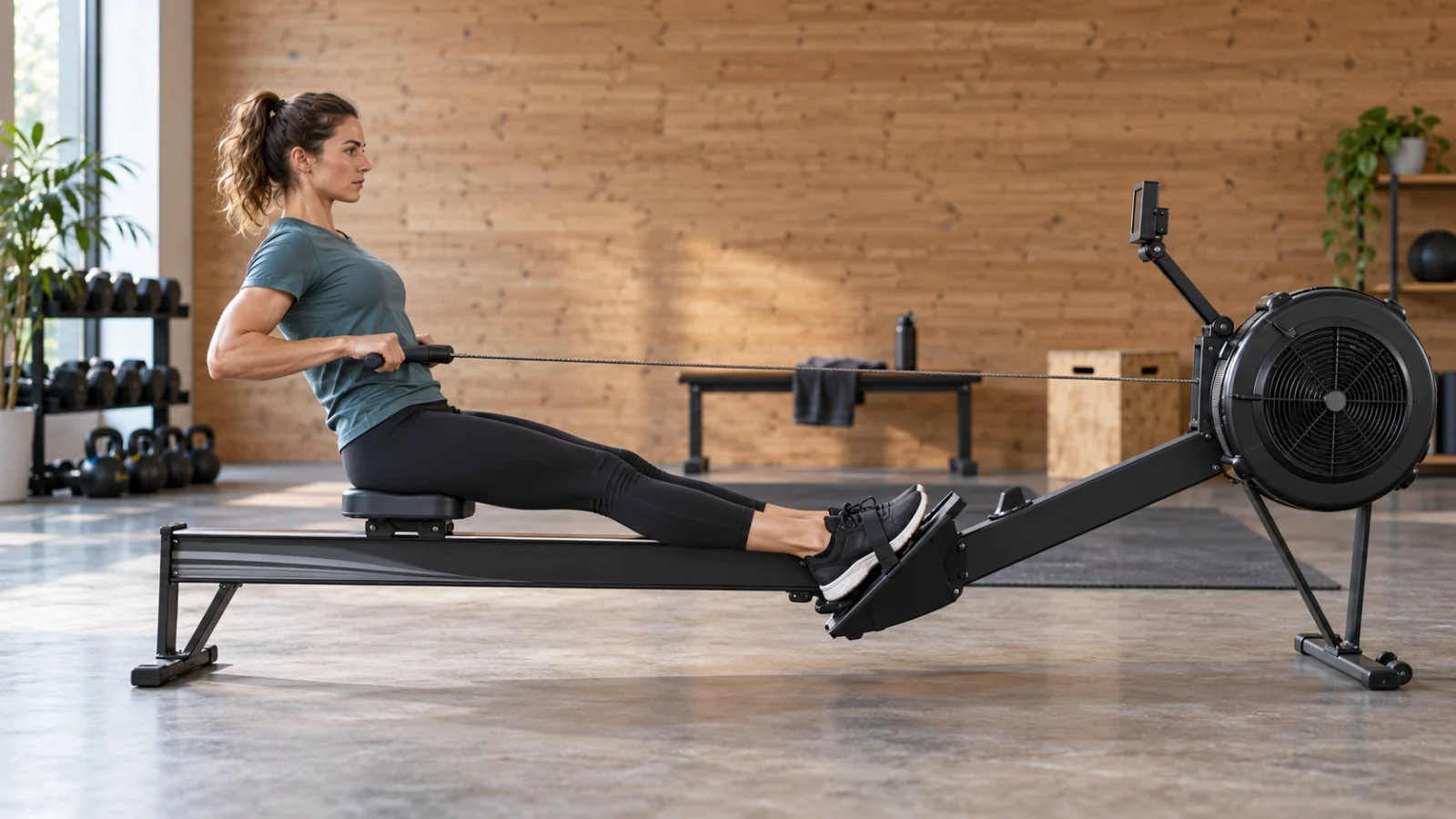 Which rowing machine should you choose for CrossFit and HYROX at home?