
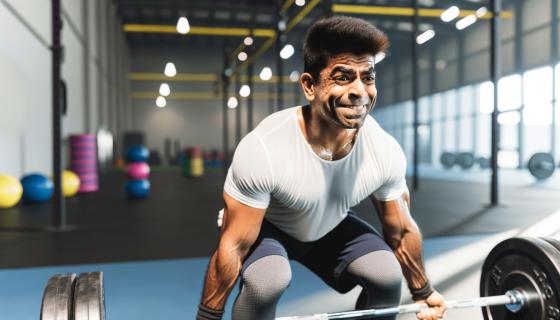
What does ground to overhead mean?
Ground to overhead, usually shortened to GTOH, describes a task: move a load from the floor to a controlled overhead position. It does not automatically prescribe one lifting technique. A workout may allow a snatch, a clean followed by an overhead movement, or only a named variation. Read its movement standards before choosing your method.
With a barbell, the two familiar routes are the snatch and the clean and jerk. Dumbbell and kettlebell workouts can use different rules for the starting position, arm changes and finish. Do not assume that every GTOH workout permits every implement.
Snatch or clean and jerk?
A snatch takes the bar overhead in one continuous lift. A clean first brings it to the shoulders, then a press, push press or jerk completes the overhead phase if the workout permits that option. A clean need not include a full squat unless a squat clean is specified.
The snatch can make light repetitions quicker, but only when you can control its wider grip and receiving position. A clean and jerk separates the task into two phases and may suit your current technique better. Neither choice compensates for a load you cannot lift consistently.
Build a repeatable repetition
- Set your feet and grip, brace your trunk and establish a balanced starting position.
- Keep the bar close as you lift. Use the legs and hips instead of trying to pull the entire load with your arms.
- Receive the bar in a position you can stabilise. For a clean, settle the front rack before beginning the overhead phase.
- Finish standing tall with the load controlled overhead, according to the workout standard.
- Lower the implement deliberately and reset when needed.
Practise these phases with a coach before introducing a clock. See the weightlifting technique guide and overhead mobility guide for supporting work.
Common mistakes and useful adjustments
Starting with the bar too far away can pull your balance forward. Rushing the clean-to-overhead transition can leave an unstable rack. Leaning back to finish overhead often signals that the load, position or chosen variation needs attention. Reduce the weight, pause between repetitions and film a few controlled lifts for coaching feedback.
Two Wodball workout examples
These are editorial training examples rather than named benchmark workouts. Choose the load and any substitutions before starting.
Five rounds with planned rest
- 5 ground-to-overhead repetitions at a manageable load
- 10 front squats with the same bar
- 15 burpees
- Rest 1 minute after each round
Record working time and total elapsed time separately, including the planned rests. The front squats may determine the appropriate bar weight more than the five overhead lifts do.
A descending ladder
Complete 10-8-6-4-2 repetitions of GTOH, pull-ups and box jumps. Agree the lifting method, load and box height in advance. Scale pull-ups or use step-ups where appropriate. Keep this as a technical practice session until all three movements remain consistent under fatigue.
Progress one variable at a time
First improve consistency, then consider more repetitions, a heavier load or a faster pace. Record the implement, permitted technique and load alongside your result so that future comparisons describe the same workout.
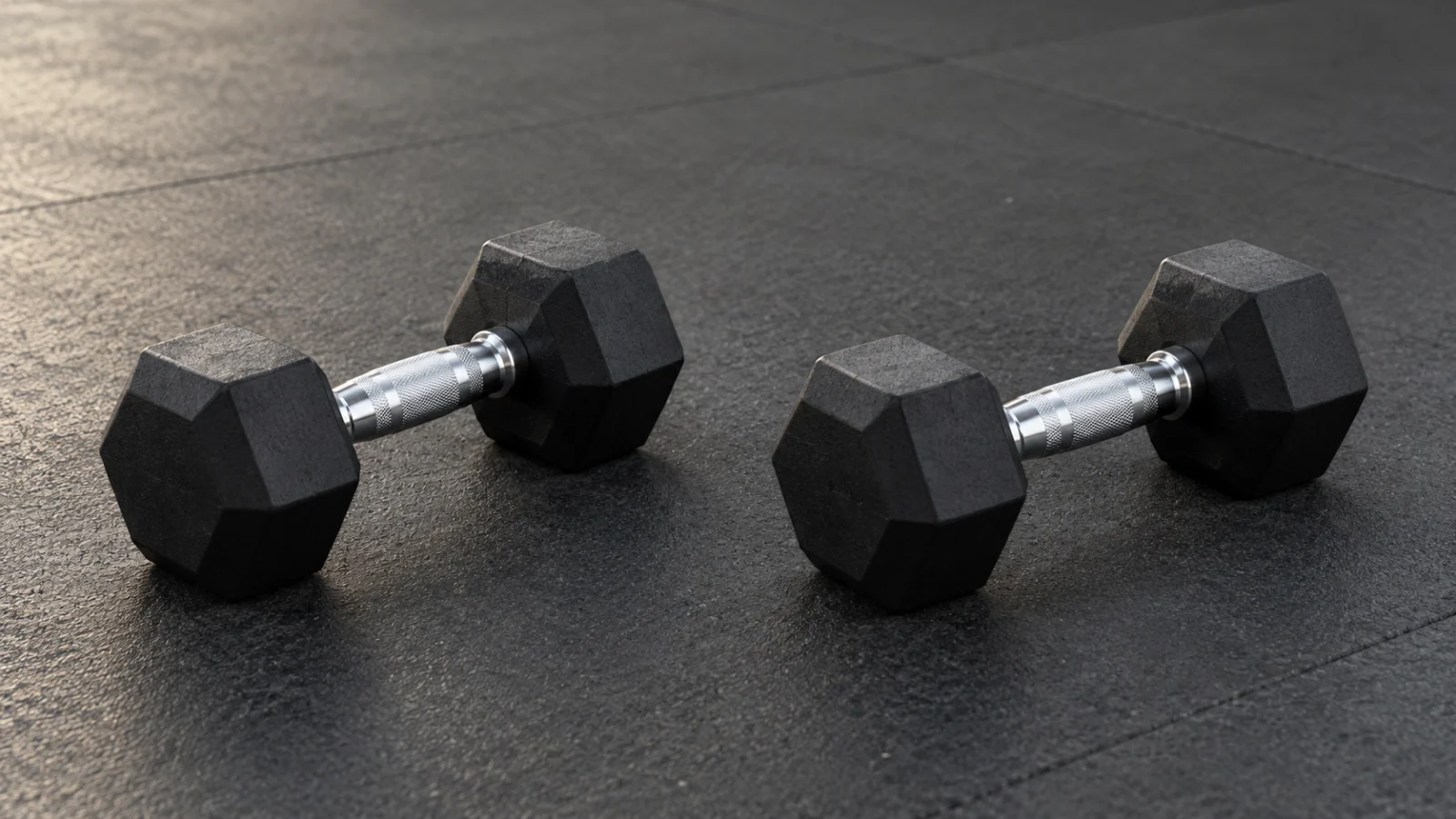 Adjustable or fixed dumbbells: which should you choose for home?
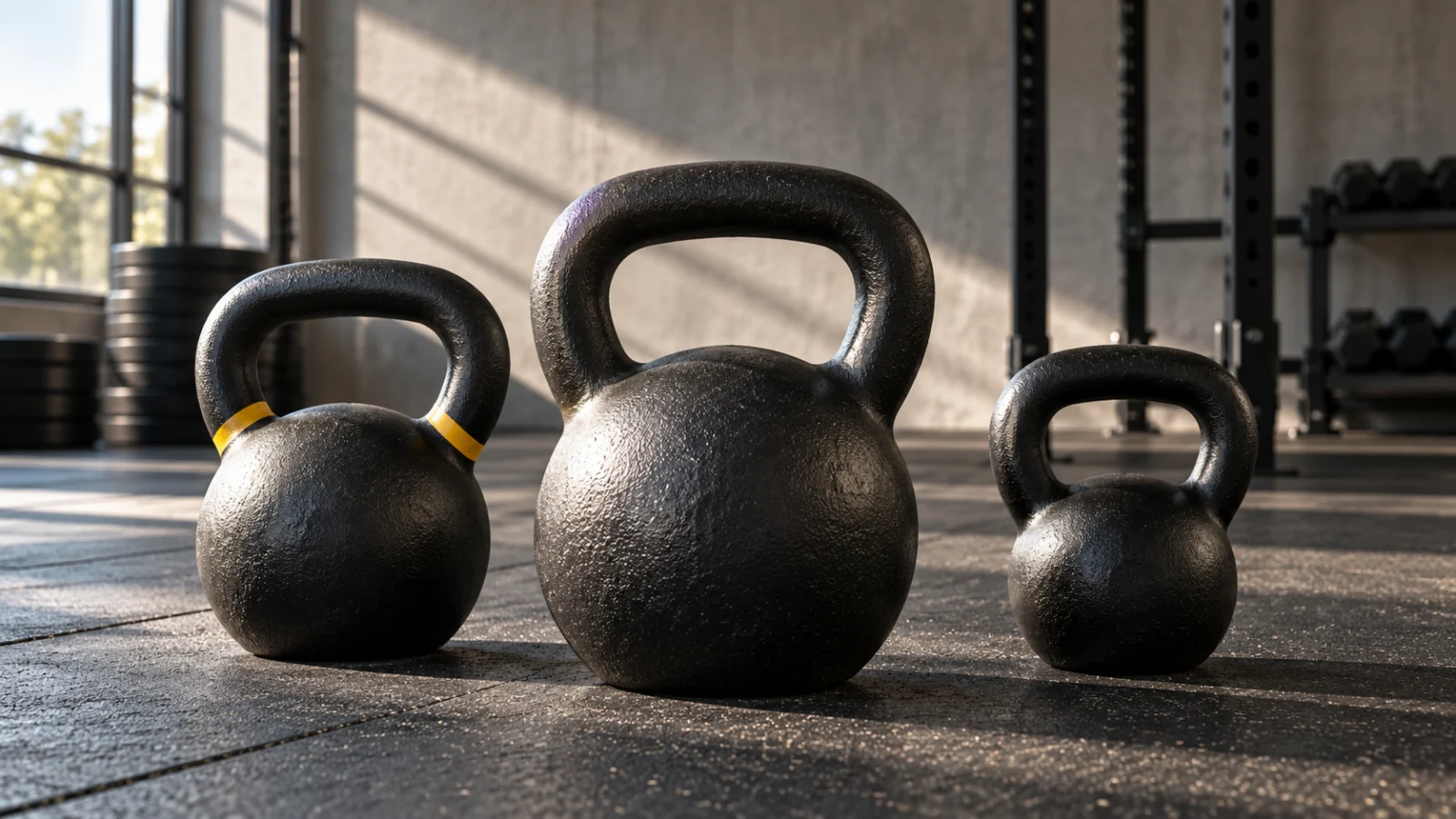 Which kettlebell should you choose for your WODs? Weight, construction and grip