
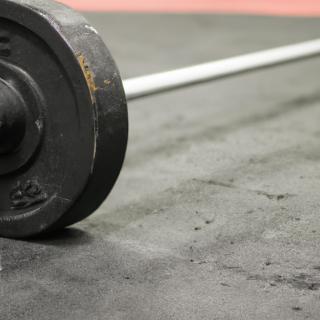
What does alignment mean here?
Alignment describes the relationship between the athlete, bar and base of support during a particular task. It does not mean keeping the whole body vertical throughout every lift. A deadlift, clean reception and overhead support require different positions.
The useful question is whether the load and body remain organised for the movement being performed. Avoid treating one visual cue as an exact rule for every phase.
Begin with the setup
Establish the stance, grip and bar position intended for the lift. Create trunk tension and check that you can initiate the movement without an unplanned shift.
A repeatable setup makes later observations easier to compare. Record the implement, footwear, starting height and variation when those details affect the task.
Observe the load through the movement
In a deadlift, look at how the bar relates to the legs and balance as the hips and knees extend. In a clean or snatch, also observe the transition and movement under.
At the finish, distinguish supporting the load from still trying to regain balance. A bar reaching overhead or the front rack is not the same as a completed, stable repetition.
Use foot contact and trunk control as references
Observe whether balance changes unexpectedly and whether the trunk position remains appropriate to the task. Forward torso inclination can be normal in a hinge; it should not automatically be treated as loss of alignment.
Likewise, pulling the shoulders back at every point is not a universal correction. Review the actual phase and the load rather than applying several generic posture commands.
Separate position and coordination
Try the relevant position slowly with a manageable implement, then compare it with the lift. If the position is available slowly but changes at speed, timing or the chosen workload may need attention.
If the position itself is difficult, use mobility and position practice to explore it. An observation alone is not a diagnosis.
Get useful feedback
A coach’s view or consistent video angle can show when the relationship changes. Choose one point to practise and repeat the task under similar conditions.
Use the snatch bar-path guide for trajectory observations and learning technique for organising a practice session.
Apply it in WODs
Choose load, sets and variations that remain repeatable through the planned work. A position you can hold fresh may change after several rounds, so rehearse an appropriate training version before starting.
Record the version used and any mid-session changes. More weight or a faster clock does not by itself show that alignment or control has improved.
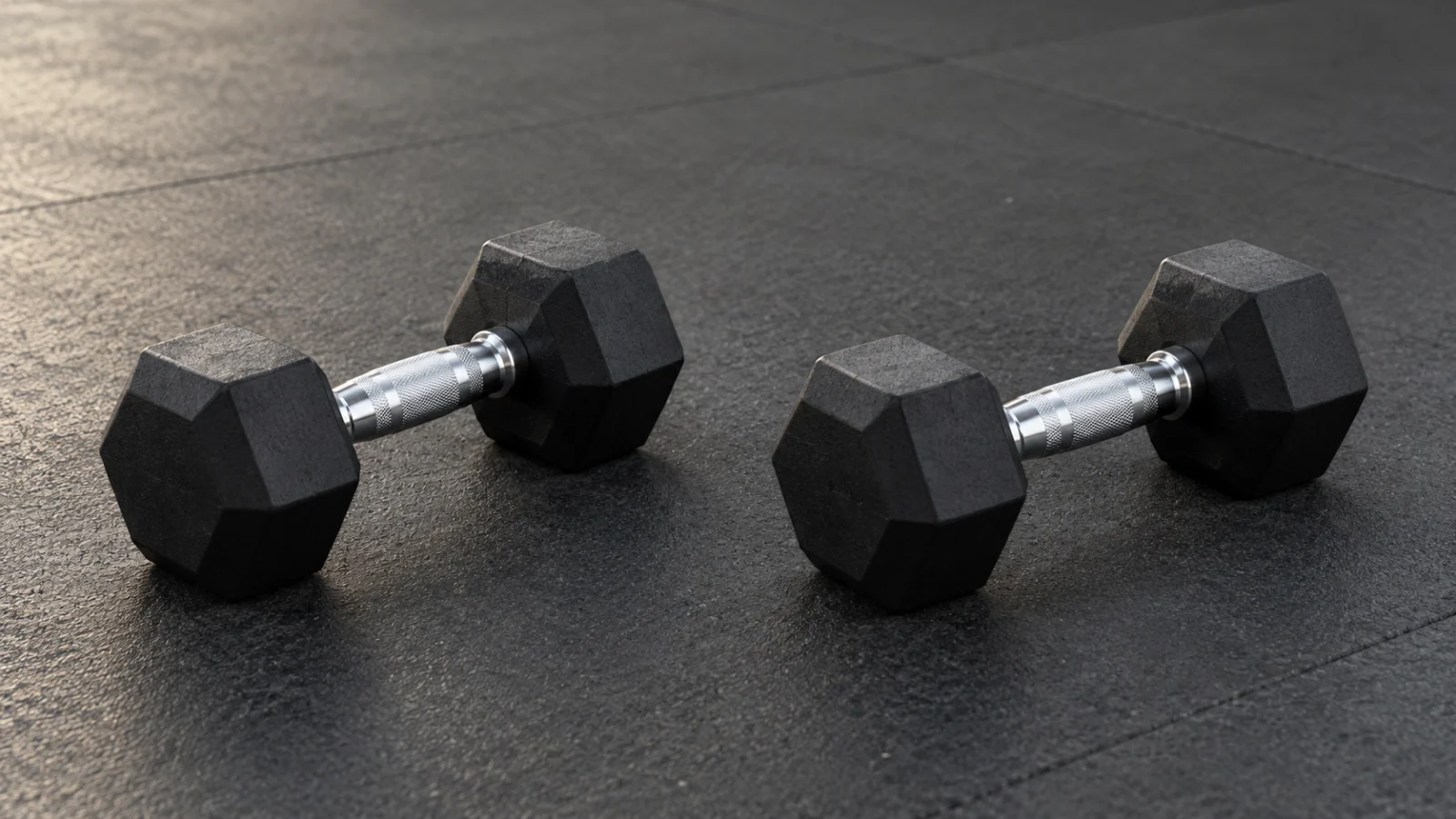 Adjustable or fixed dumbbells: which should you choose for home?
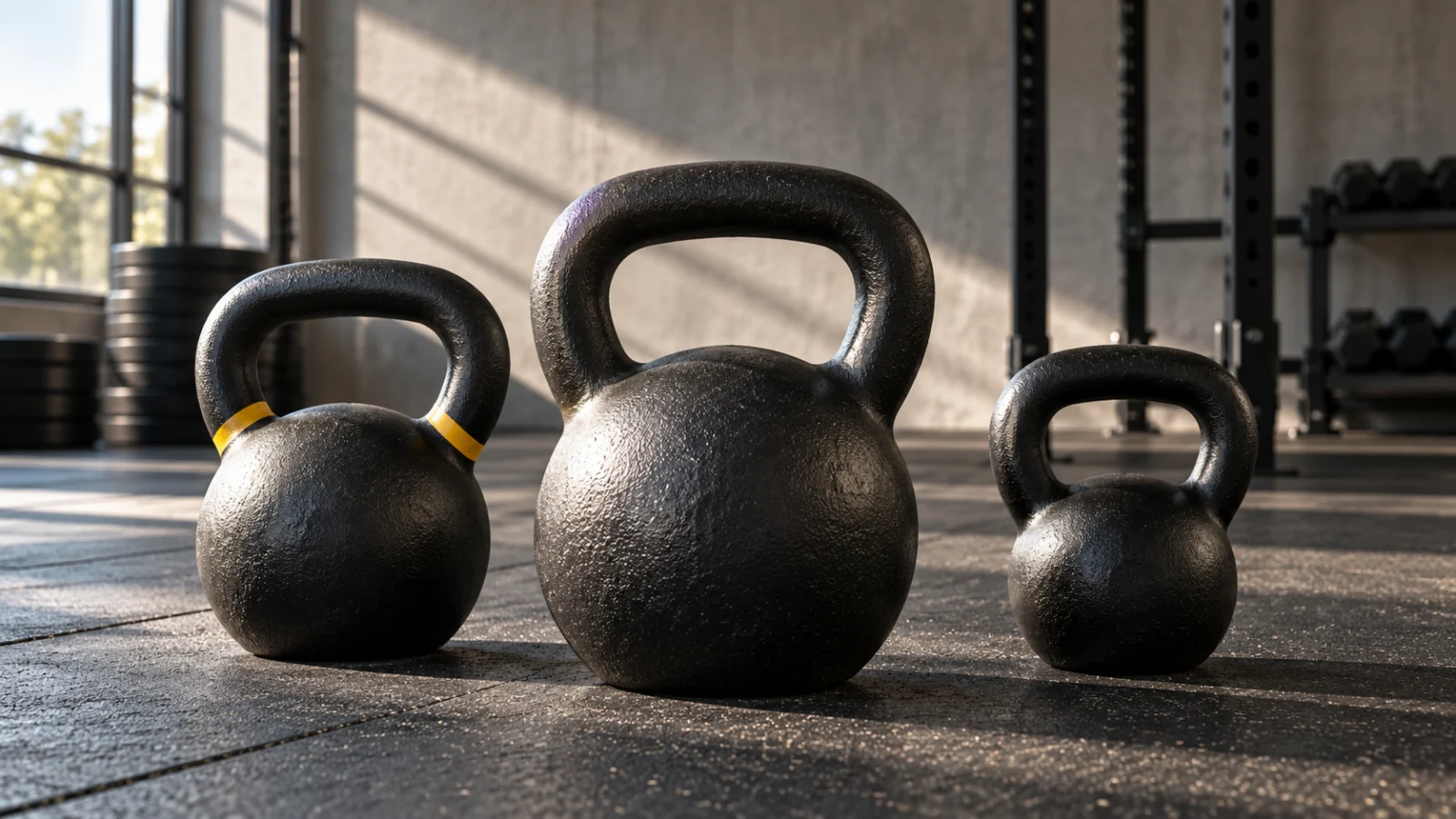 Which kettlebell should you choose for your WODs? Weight, construction and grip