
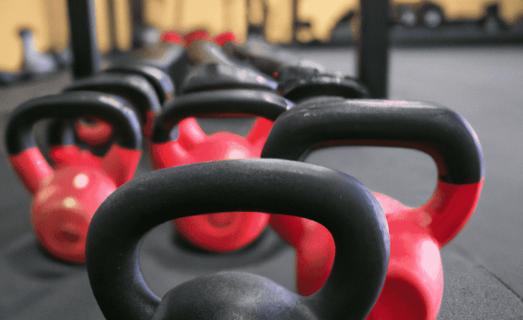
What kettlebells can add to snatch training
Kettlebells offer a way to practise hip drive, grip endurance and control of a load overhead. A one-arm kettlebell snatch is also a movement in its own right. Its grip, trajectory and turnover differ from a barbell snatch; progress with one implement does not automatically solve a technical problem with the other.
Choose the exercise according to the skill you need to practise. A swing develops a different task from a slow overhead squat or a Turkish get-up. Treat these as complementary tools rather than interchangeable versions of the same lift.
Learn the kettlebell snatch
The kettlebell moves from a hang to overhead in one continuous action. Begin with a bell you can handle comfortably and work with a coach on the hinge, upward drive and hand insertion. The aim is a controlled overhead finish rather than a bell that crashes onto your forearm.
CrossFit provides a kettlebell snatch demonstration. Use it to recognise the movement, then get individual feedback on your own repetitions. Learn the return from overhead as deliberately as the lift itself.
Five exercises with different purposes
Kettlebell swing
Practise a hip hinge and coordinated extension. Keep the bell weight and swing height appropriate to your control. An overhead swing is not a compulsory stepping stone to the snatch: the turnover and finish still need separate practice.
High pull
A light high pull can help you explore guiding the bell closer to your body after the hip drive. Avoid turning it into an arm-only effort. Stop the set when the path becomes inconsistent rather than forcing extra repetitions.
Single-arm snatch
Practise short sets on each side, with enough rest to repeat the same movement. Count repetitions per arm explicitly. If the bell strikes the forearm, reduce the load and revisit the hand transition with your coach.
Turkish get-up
This is a slower sequence of positions under an overhead load. Learn the sequence without weight first. It can provide overhead practice, but it does not rehearse the speed or bar path of an Olympic snatch.
Overhead squat
A light single-arm overhead squat challenges a different balance task from a two-handed barbell version. Use a range you can control and avoid chasing depth while losing the overhead position. Compare it with our overhead squat guide.
Fit the work into your week
For a first practice session, pick one hinge exercise and one overhead skill. Use brief sets, generous recovery and a load that leaves clear control at the end. Record which side, weight and repetitions you used. Add volume only after you can repeat the movement without forearm impact or a deteriorating finish.
Keep barbell practice in the programme if your objective is a better barbell snatch. Use the bar-path guide to identify a specific issue rather than adding kettlebell work without a purpose.
Choose suitable equipment
Check the handle clearance, surface condition and available training space. Leave room around and above you and use a stable floor. Our kettlebell buying guide explains what to compare before purchasing.
 Tall snatch: practise the turnover and movement under the bar
 Muscle snatch: turnover, overhead finish and technical practice
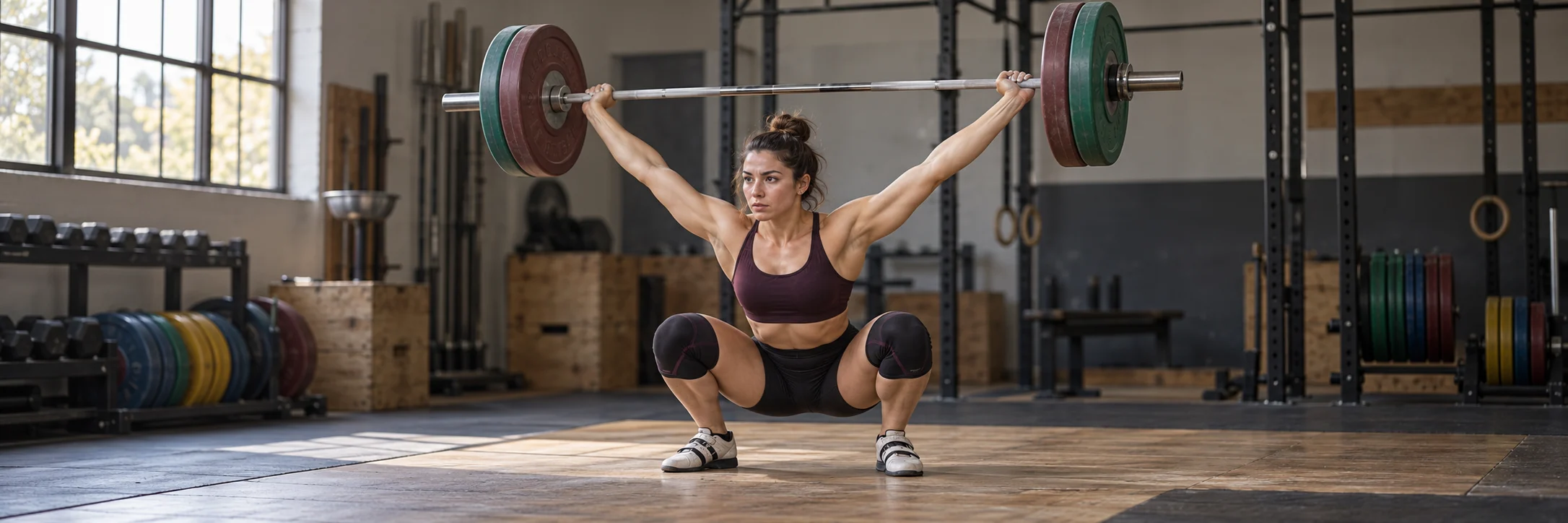 Squat snatch: connect the pull, reception and recovery